5 Tips for Managing a Business and Chronic Pain
Learn how to run a successful business while also managing chronic pain and disability.

DISABLED ENTREPRENEUR – DISABILITY UK
Disability UK Online Health Journal – All In One Business In A Box – Forum – Business Directory – Useful Resources – Health – Human Rights – Politics
DISABLED ENTREPRENEUR – DISABILITY UK
Disability UK Online Health Journal – All In One Business In A Box – Forum – Business Directory – Useful Resources – Health – Human Rights – Politics

Learn how to run a successful business while also managing chronic pain and disability.

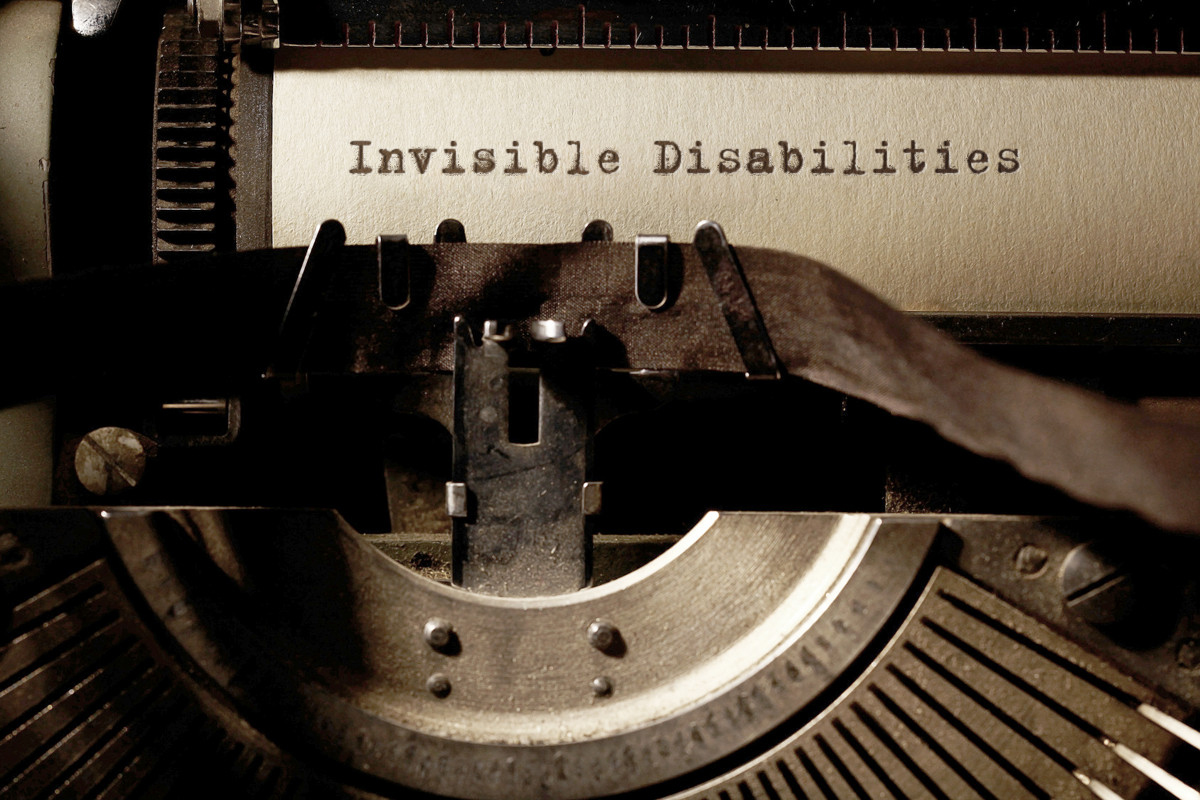
Chronic pain and fatigue are two of the most debilitating symptoms for those living with autoimmune disorders like Multiple Sclerosis (MS). These conditions often lead to invisible disabilities, which can make it difficult for sufferers to explain or express their needs. People may not always realize the extent of the physical and emotional toll these symptoms take, particularly when they flare up in such a way that daily activities become increasingly difficult or dangerous.

Explore how chronic stress, anxiety, grief, trauma and stonewalling can affect memory, physical health, relapses and potential legal accountability.

For millions of people in the UK living with chronic pain, applying for Personal Independence Payment (PIP) can feel like a battle against an invisible enemy. Pain, especially when it’s invisible or fluctuating, is difficult to measure, explain, and prove. The PIP assessment system, designed to support people with additional care or mobility needs, often falls short in recognising the daily impact of pain, leaving many to feel dismissed, doubted, or denied.

Living with chronic pain is an invisible battle that millions face daily. For those undergoing Personal Independence Payment (PIP) assessments in the UK, proving the extent and frequency of pain becomes yet another source of suffering. In today’s tech-driven society, there is an urgent need to develop wearable pain recognition tools, especially via mainstream devices like the Apple Watch.

Chronic Fatigue Syndrome (CFS), also known as Myalgic Encephalomyelitis (ME), is a debilitating condition characterised by extreme and persistent fatigue that does not improve with rest. This condition affects individuals physically, mentally, and emotionally, significantly impacting their quality of life. For many, it can lead to a level of disability that makes them eligible for Personal Independence Payment (PIP) in the UK.
Wearable Pain Detector Technology. In recent years, advancements in wearable technology have led to the development of devices designed to monitor and detect pain levels in real time.
By shining a light on Lyme disease, we can strive towards a future where early detection, effective treatment, and compassionate care are accessible to all those affected by this relentless condition.
Ultimately, the issue of forcing chronically ill and disabled people into work goes beyond mere statistics – it speaks to the moral compass of a society and its commitment to upholding the rights and dignity of all its citizens.

What rights does a disabled employee have when their condition worsens at work? We examine reasonable adjustments, chronic pain, sick leave, occupational health, the Equality Act 2010, employer health and safety duties, Acas and what employees can do when existing workplace support is no longer enough.