Addison’s Disease and PIP Eligibility
Can you claim PIP for Addison’s disease? Learn how fatigue, dizziness, muscle weakness, medication management and adrenal crises may affect PIP eligibility, daily living and mobility points.

DISABLED ENTREPRENEUR – DISABILITY UK
Disability UK Online Health Journal – All In One Business In A Box – Forum – Business Directory – Useful Resources – Health – Human Rights – Politics
DISABLED ENTREPRENEUR – DISABILITY UK
Disability UK Online Health Journal – All In One Business In A Box – Forum – Business Directory – Useful Resources – Health – Human Rights – Politics
Can you claim PIP for Addison’s disease? Learn how fatigue, dizziness, muscle weakness, medication management and adrenal crises may affect PIP eligibility, daily living and mobility points.

Living with multiple sclerosis is a complex and often unpredictable experience, with each day bringing unique physical and emotional challenges. Symptoms like muscle weakness, fatigue, forgetfulness, and pain can make daily life difficult, even overwhelming, but the support of a carer can be transformative.
Multiple sclerosis (MS) is a chronic autoimmune disease that affects the central nervous system, leading to symptoms such as muscle weakness, coordination problems, and cognitive impairments.

Recovering from an injury involves much more than rest and rehabilitation. The body relies on proper nutrition to repair tissues, regulate inflammation, support energy production, and promote overall healing. While nutrients such as protein, vitamin C, and zinc often receive the most attention, iodine also plays an important role in maintaining bodily functions that can influence recovery.
An in-depth look at the challenges of working in retail with Multiple Sclerosis (MS), autoimmune disorders, visual impairments, secondary cataracts, fatigue, and eligibility for PIP benefits in the UK.

Alcohol is a toxic depressant that affects the brain, body, mental health, judgment, and behaviour. Learn the dangers of alcohol misuse, recovery, brain healing, addiction, and why many successful people choose sobriety.
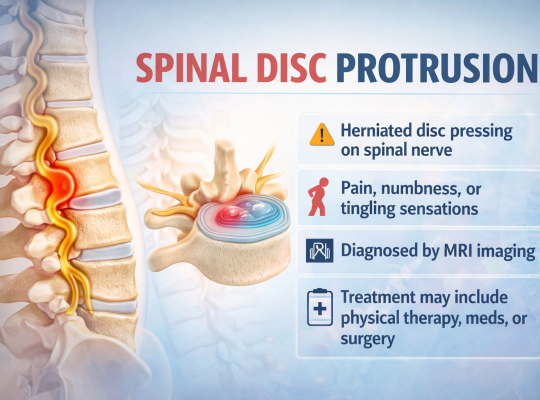
Understanding the difference between structural and neurological conditions is essential for receiving the right treatment and maintaining quality of life.
While exercise has evident benefits, it’s crucial to understand its role within the broader context of depression treatment. Exercise alone is not a standalone cure for depression but can be a highly effective complementary treatment. For some individuals with mild to moderate depression, regular physical activity might be sufficient to manage their symptoms. However, those with severe depression typically require a combination of treatments, including medication, psychotherapy, and lifestyle changes.

Autoimmune disorders can significantly impact an individual’s ability to work, posing challenges related to health, safety, and employer liability. Understanding the limitations faced by individuals with autoimmune diseases in the workplace is crucial for ensuring their well-being and addressing the concerns of employers.

The term “severely disabled” in the context of benefits and support provided by the Department for Work and Pensions (DWP) raises concerns about potential discrimination and the differentiation of needs among disabled individuals.