Disclaimer: The following article was submitted by a guest contributor and reflects broader discussions around sustainable and low-maintenance commercial outdoor solutions. Whilst the topic is not exclusively disability-focused, Disabled Entrepreneur UK recognises that reducing operational burdens, maintenance costs, and staffing pressures can be particularly beneficial for disabled entrepreneurs, SMEs, carers, and business owners managing health conditions or limited mobility. We believe accessible, practical, and sustainable business environments are important conversations for all entrepreneurs navigating modern business challenges.
Cost Savings That Add Up Over Time
For many disabled entrepreneurs and small business owners across the UK & USA, running a business often means balancing productivity with energy conservation, staffing limitations, financial pressures, and health-related challenges. Tasks that may seem minor to larger corporations, such as maintaining outdoor commercial spaces, can quickly become physically demanding, time-consuming, and costly for smaller enterprises or entrepreneurs living with disabilities or chronic health conditions. Low-maintenance outdoor solutions are increasingly being recognised not only as a cost-saving measure, but also as a practical accessibility consideration that can help businesses create professional, welcoming environments without placing unnecessary strain on resources, time, or physical wellbeing.
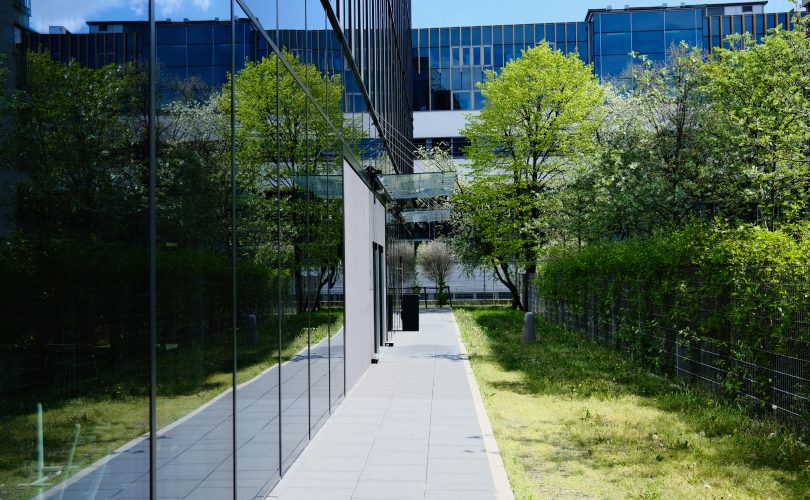
Across industries, businesses are rethinking how they use and maintain outdoor spaces. From retail storefronts to office/university campuses and hospitality venues, there’s a clear trend emerging: simplicity is winning. Traditional landscaping, while visually appealing, often comes with ongoing costs, time commitments, and operational complexity. Lawns need to be mowed, plants require watering and pruning, and seasonal changes demand constant attention. For businesses focused on efficiency, this level of upkeep is increasingly difficult to justify. Low-maintenance outdoor solutions offer a streamlined alternative, allowing companies to maintain professional, attractive exteriors without the overhead of traditional landscaping.
One of the biggest drivers behind this shift is cost reduction. Maintaining lush greenery can be surprisingly expensive when you factor in labour, equipment, irrigation systems, and seasonal replacements. Over time, these recurring expenses add up significantly. Low-maintenance solutions, such as artificial turf, hardscaping, and drought-resistant plants, require far less ongoing investment. Businesses can allocate those saved resources toward growth-focused initiatives instead, like marketing, staffing, or improving customer experiences. In industries where margins matter, cutting unnecessary expenses without sacrificing appearance is a powerful advantage.
Consistency in Appearance and Branding
First impressions matter, especially in competitive markets. A well-maintained exterior communicates professionalism, attention to detail, and reliability. But achieving that consistently with traditional landscaping can be challenging. Weather fluctuations, staffing inconsistencies, and natural wear and tear can all affect how an outdoor space looks from week to week. Low-maintenance solutions provide a more reliable aesthetic. Artificial turf stays green year-round, hardscaping resists seasonal damage, and modern materials are designed to retain their look with minimal intervention. This consistency supports stronger brand perception, helping businesses present a polished image every day, not just when conditions happen to be ideal.
Sustainability and Water Conservation
Environmental considerations are also playing a major role in this transition. Water usage, in particular, has become a major concern in many regions. Traditional lawns and landscaping often require significant irrigation, which can strain local resources and increase utility costs. Low-maintenance alternatives are typically designed with sustainability in mind. Drought-resistant plants, permeable pavers, and synthetic turf drastically reduce water consumption while still delivering visually appealing results. Businesses that adopt these solutions aren’t just saving money; they’re also aligning with environmentally responsible practices. That alignment resonates with customers, many of whom increasingly value sustainability when choosing where to shop, dine, or work.
Reduced Labour and Operational Demands
Another major benefit is the reduction in labour requirements. Maintaining outdoor spaces with traditional methods often involves ongoing coordination with landscaping teams, scheduling maintenance visits, and addressing unexpected issues like overgrowth or disease. Low-maintenance setups simplify this process dramatically. Instead of weekly or biweekly care, businesses can rely on occasional cleaning or inspections. This frees up time for property managers and business owners, allowing them to focus on core operations rather than exterior upkeep. In environments where staffing is already stretched, removing these maintenance burdens can make a noticeable difference in day-to-day efficiency.
Durability in High-Traffic Commercial Spaces
Commercial environments often experience a level of wear and tear that traditional landscaping struggles to withstand. Foot traffic, events, deliveries, and weather exposure can quickly degrade natural materials. Brown patches, muddy areas, and damaged plant beds can make spaces look neglected, even if they’re regularly maintained. Low-maintenance alternatives are designed with durability in mind. High-quality artificial turf, for example, can handle constant use without losing its appearance, making it suitable for Celebrity Greens. These modern materials combine durability with visual appeal, creating spaces that look great even under heavy use.
Flexibility in Design and Functionality
Low-maintenance outdoor solutions also open the door to more creative and functional design possibilities. Without the constraints of traditional landscaping, businesses can reimagine how their outdoor spaces are used. Synthetic turf can be installed in areas where natural grass wouldn’t thrive, such as rooftops or shaded courtyards. Hardscaping elements can create versatile seating areas, walkways, or event spaces. These designs aren’t just about aesthetics; they’re about usability. A thoughtfully designed outdoor area can serve as an extension of the business itself, whether that means providing a relaxing environment for employees, attracting customers, or hosting events. The flexibility of low-maintenance materials makes these possibilities more accessible than ever.
A Better Experience for Customers and Employees
Ultimately, the goal of any commercial space is to create a positive experience. Outdoor areas play a bigger role in that than many businesses realize. Clean, attractive, and functional exteriors can enhance customer satisfaction and employee morale alike. Low-maintenance solutions make it easier to maintain these standards consistently. There’s no risk of a neglected lawn detracting from a customer’s first impression or an unusable outdoor area limiting its potential. Instead, businesses can provide reliable, inviting spaces that support both engagement and comfort. Whether it’s a retail storefront with a welcoming entrance or an office with a usable outdoor break area, these improvements can have a meaningful impact.
Conclusion
The move toward low-maintenance outdoor solutions isn’t just a passing trend; it’s a practical evolution in how businesses approach their physical spaces. By prioritising efficiency, cost savings, sustainability, and durability, companies are finding smarter ways to maintain attractive exteriors without the constant demands of traditional landscaping. These solutions offer consistency, flexibility, and long-term value, making them an appealing choice for businesses of all sizes. As expectations around sustainability and operational efficiency continue to grow, it’s likely that low-maintenance outdoor design will become the new standard, helping businesses create spaces that are as functional as they are visually impressive.
Editor’s Closing Thoughts:
At Disabled Entrepreneur UK, we believe accessibility and sustainability often go hand in hand. Practical business solutions that reduce physical workload, operational stress, and long-term maintenance costs may help create more inclusive environments for disabled entrepreneurs, employees, carers, and SMEs alike. As businesses continue adapting to modern economic pressures, accessible and manageable workplace design should remain part of the wider conversation.