Youth Crime in the UK: Understanding the Psychology
An in-depth look at youth crime in the UK, exploring the psychology behind why young people turn to crime, the role of poverty and mental health, and what society can do to prevent violence.

DISABLED ENTREPRENEUR – DISABILITY UK
Disability UK Online Health Journal – All In One Business In A Box – Forum – Business Directory – Useful Resources – Health – Human Rights – Politics
DISABLED ENTREPRENEUR – DISABILITY UK
Disability UK Online Health Journal – All In One Business In A Box – Forum – Business Directory – Useful Resources – Health – Human Rights – Politics
Browsing Category

An in-depth look at youth crime in the UK, exploring the psychology behind why young people turn to crime, the role of poverty and mental health, and what society can do to prevent violence.

Discover the controversy surrounding transvaginal pelvic mesh implants, the risks involved, and the campaigners’ calls for a compensation scheme for women harmed by the procedure. Learn about the impact of pelvic mesh on women’s health.
Growing concern over the Mental Health Act 2025 as disabled people fear detention, discrimination, and human rights breaches. Learn what’s at stake and how communities are fighting back.

A proposed DWP benefits payment card to replace cash could severely restrict disabled people’s freedom, autonomy, and access to essential disability-related living costs. This article explains why the proposal risks reinforcing disability discrimination and stigma.

Why victims of domestic violence do not leave their abusers explained for courts and legal professionals, including coercive control, financial abuse, fear, and safety risks.

At present, an aspiring MP only needs a political party membership, a following, and £500 to stand for election. Unlike CEOs or professionals in the private sector, there is no requirement for qualifications in law, business, economics, or leadership. As a result, half of those elected may not be fit for the complex responsibilities of governance. If CEOs or seasoned business leaders had been tasked with managing PPE contracts, the outcome would have been drastically different. In the private sector, £10 billion wasted would mean immediate dismissal, asset recovery, and criminal investigation.
Civil law governs disputes between individuals or organizations, aiming to resolve issues like contracts, property, and family matters through compensation or court orders. Tort law is a branch of civil law that deals specifically with wrongful acts, such as negligence or defamation, where one party causes harm to another, and the injured party can seek damages.
Police powers are vital for maintaining law and order, but they must always be balanced with civil liberties and human rights. Vulnerable groups, particularly minors and disabled individuals, require additional safeguards to prevent abuse or discrimination. Understanding your rights under PACE, questioning the use of stop and search, and knowing the complaint procedures are essential tools for seeking justice when things go wrong.
Disclaimer: This article has been written by Renata M Barnes, a current Law Student. The content is provided for informational and educational purposes only and does not constitute legal advice. …
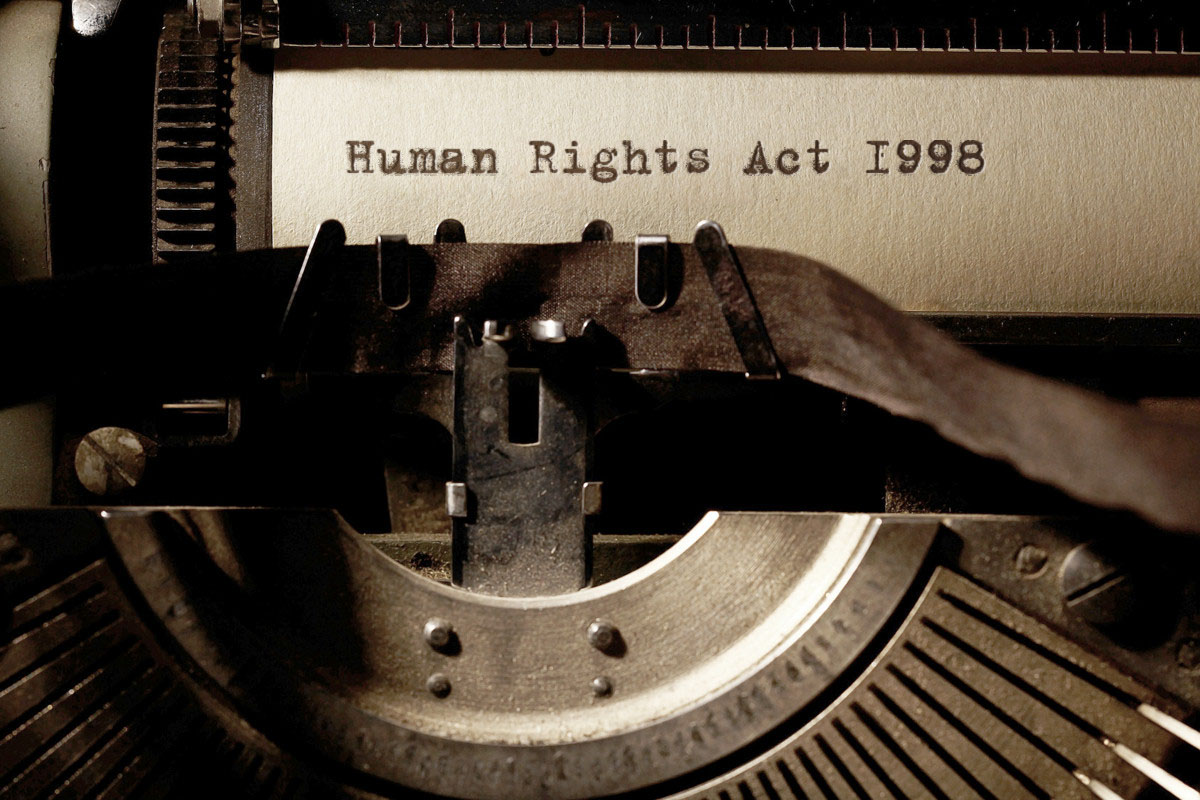
The UK government’s move to abolish the Human Rights Act and potentially leave the ECHR could leave citizens with no enforceable rights. What would this mean for the public, migrants, and democracy?