Breaking Barriers: Support For All Who Are Vulnerable
Critics argue that the lives of disabled and vulnerable people are being treated as collateral damage in the government’s attempt to claw back taxpayers’ money to fill a fiscal black hole.

DISABLED ENTREPRENEUR – DISABILITY UK
Disability UK Online Health Journal – All In One Business In A Box – Forum – Business Directory – Useful Resources – Health – Human Rights – Politics
DISABLED ENTREPRENEUR – DISABILITY UK
Disability UK Online Health Journal – All In One Business In A Box – Forum – Business Directory – Useful Resources – Health – Human Rights – Politics
Browsing Category
Critics argue that the lives of disabled and vulnerable people are being treated as collateral damage in the government’s attempt to claw back taxpayers’ money to fill a fiscal black hole.
The UK government is reportedly considering a significant overhaul of disability benefits, which may involve replacing the current Personal Independence Payment (PIP) system. This proposed change has raised concerns about its potential to override previous tribunal decisions and possibly breach existing laws.

The Department for Work and Pensions (DWP) has highlighted two critical factors that could influence Universal Credit (UC) payments: changes in relationship status and fluctuations in earnings and savings. These factors are particularly pertinent for individuals who are self-employed, disabled, or engaged in education.
Running a business while managing a disability can be challenging, but there are various government support schemes available in the UK to help self-employed disabled individuals. Below is an overview of financial assistance that may be available to you.

Categorizing individuals with Short Bowel Syndrome as having Limited Capability for Work (LCW) under Universal Credit, implying they may be expected to work in the future, reflects an ableist and medically inaccurate stance. Unlike conditions that can improve over time, Short Bowel Syndrome is a lifelong and progressive disorder that only deteriorates as the body struggles with chronic malabsorption, fatigue, and related complications. To suggest that someone with SBS may one day become fit for work ignores the stark medical reality and places them in unnecessary financial and emotional distress.
The failure to accommodate employees with disabilities could result in a wave of lawsuits across the country, with disabled workers seeking justice for the discrimination they face. The public outcry will be undeniable as individuals and advocacy groups demand accountability.

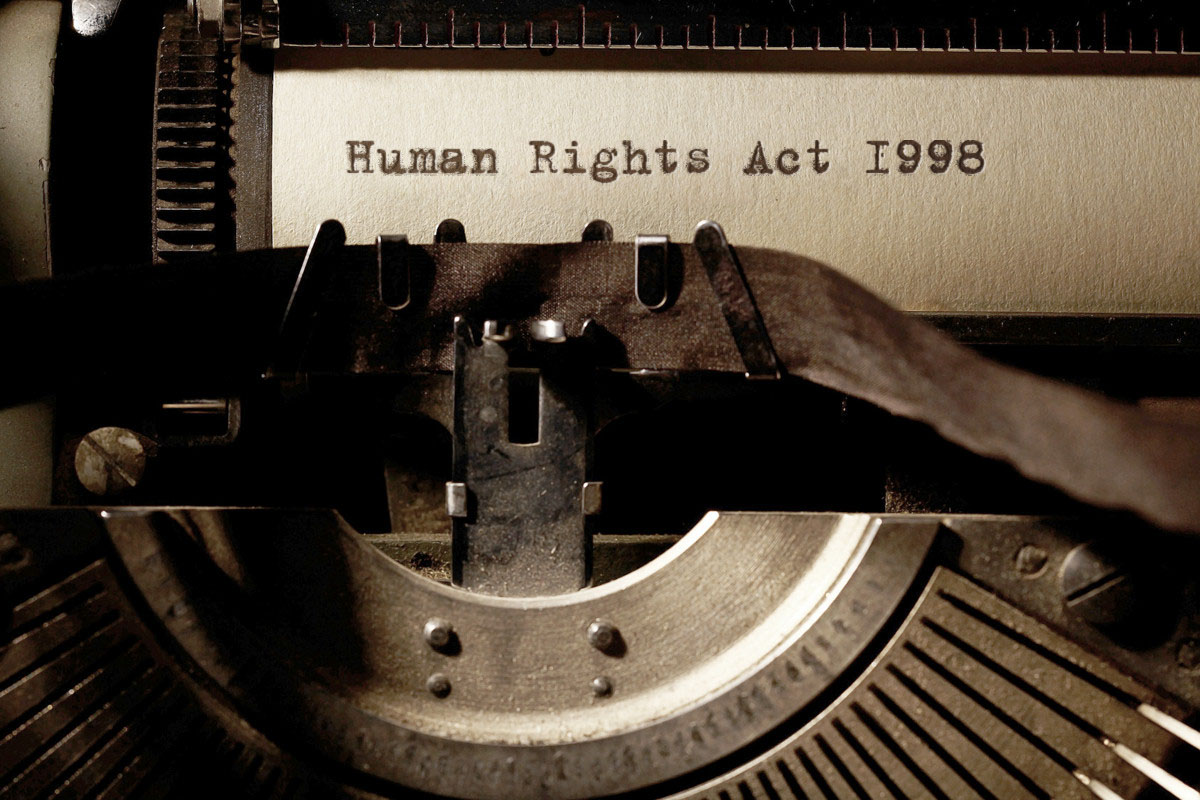
The Public Authorities (Fraud, Error & Recovery) Bill’s provisions, as currently proposed, represent a significant shift in the balance between combating fraud and protecting individual rights. While addressing fraudulent claims and recovering funds are legitimate goals, the government must ensure that these measures do not infringe on legal protections or human dignity.
We do NOT encourage dependency on benefits for those who are capable of working. This article is aimed at supporting individuals with genuine illnesses and disabilities to know their rights and navigate a system that often overlooks their needs. To help the government and streamline the process, individuals should provide extensive medical history and reports from doctors, specialists, and other healthcare providers to prove their inability to work.

www.gpai.co.uk domain name for sale. Please make an offer if you are interested in acquiring the domain: https://disabledentrepreneur.uk/contact/

As the government struggles with mounting pressures on the public purse, it must confront a harsh reality: many people living with disabilities and long-term illnesses are being driven to despair by poverty, exacerbated by the rising cost of living.