Antisemitism, Zionism, Community Division & The Law
Exploring antisemitism, Zionism, social unrest, and how conflict affects vulnerable people and disabled communities. Discusses empathy, emotional well-being, education, and peaceful coexistence.

DISABLED ENTREPRENEUR – DISABILITY UK
Disability UK Online Health Journal – All In One Business In A Box – Forum – Business Directory – Useful Resources – Health – Human Rights – Politics
DISABLED ENTREPRENEUR – DISABILITY UK
Disability UK Online Health Journal – All In One Business In A Box – Forum – Business Directory – Useful Resources – Health – Human Rights – Politics
Browsing Category

Exploring antisemitism, Zionism, social unrest, and how conflict affects vulnerable people and disabled communities. Discusses empathy, emotional well-being, education, and peaceful coexistence.

The Equality and Human Rights Commission (EHRC) is facing calls for reform and even abolition from some politicians. This article examines the controversy, the arguments for and against reform, and what changes could mean for disabled people, women, LGBTQ+ individuals, and wider society.
A UK Supreme Court ruling overturning key parts of the Cheshire West judgment has raised concerns that hundreds of thousands of disabled people could lose important legal and human rights safeguards.

How many amendments are there to the U.S. Constitution? Learn all 27 amendments with brief explanations and discover the UK equivalent constitutional framework and key differences between U.S. and UK constitutional law.

DWP faces criticism after confirming under-25s will be excluded from extended PIP review periods. Disability campaigners warn the policy may unfairly discriminate against young disabled people and increase financial and mental health pressures.
As the Timms Review deadline approaches, concerns grow over whether the PIP system is fit for purpose. Campaigners, disabled people, and advocacy groups call for dignity, compassion, and reform in disability assessments.
Wes Streeting resigns from government amid growing calls for a Labour leadership contest. Learn why he stepped down, his role as Health Secretary, and why disability advocates and sector experts could play a greater role in government leadership.
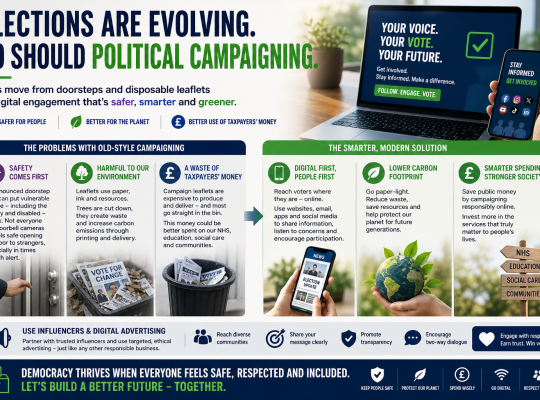
An in-depth look at how political campaigning in the UK is shifting from door-to-door canvassing to digital engagement, exploring safety concerns, environmental impact, and modern alternatives.

An in-depth analysis of proposals to repeal the Equality Act 2010, exploring legal implications, human rights concerns, Reform UK policies, and the potential impact on disabled people and wider society.
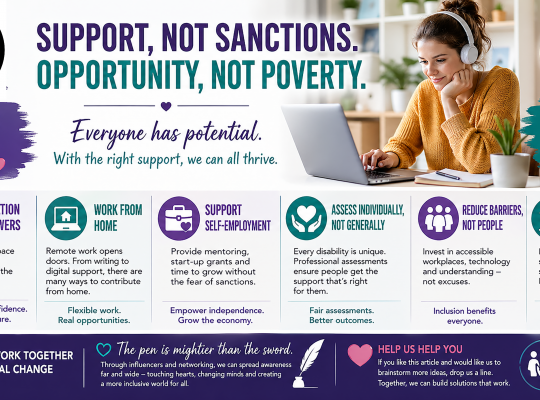
An in-depth look at young people on Personal Independence Payment, challenging claims that some conditions are “non-work-limiting” and exploring how disabilities affect employment.