Dementia Awareness: Can We Prevent Memory Loss?
Can dementia be prevented or reversed? Explore early symptoms, memory loss, brain exercises, medical treatments, holistic therapies and ways to support older relatives.

DISABLED ENTREPRENEUR – DISABILITY UK
Disability UK Online Health Journal – All In One Business In A Box – Forum – Business Directory – Useful Resources – Health – Human Rights – Politics
DISABLED ENTREPRENEUR – DISABILITY UK
Disability UK Online Health Journal – All In One Business In A Box – Forum – Business Directory – Useful Resources – Health – Human Rights – Politics
Browsing Category
Can dementia be prevented or reversed? Explore early symptoms, memory loss, brain exercises, medical treatments, holistic therapies and ways to support older relatives.
Explore how chronic stress, anxiety, grief, trauma and stonewalling can affect memory, physical health, relapses and potential legal accountability.
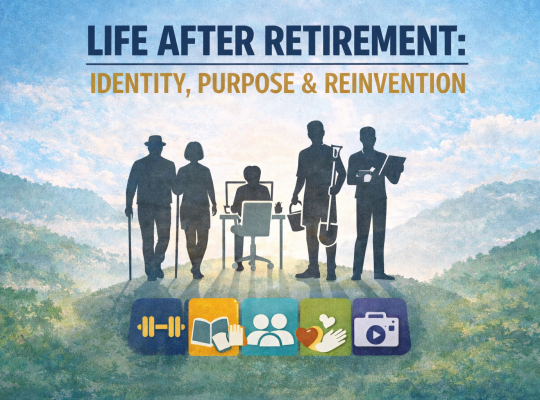
A comprehensive guide to retirement, mental health, and staying active. Learn how athletes and everyday people can reinvent themselves, reduce dementia risk, and find purpose after work.
While completely erasing bad memories isn’t possible, learning how to suppress or manage them effectively can play a significant role in healing and improving mental well-being.
Managing distressing memories through existing therapies, mindfulness, and support networks remains the most accessible path. As research continues, the dream of selectively forgetting the bad while keeping the good may one day become a reality. Until then, moments of natural relief, like forgetting an OCD trigger and finding the anxiety has passed, remind us of the brain’s capacity to heal itself.

Stress can play a major role in memory lapses, especially for people living with OCD and trauma. When the mind is overwhelmed by anxiety, daily pressures, or too many competing tasks, it can become harder to focus on intrusive thoughts or compulsions. Preoccupation with other responsibilities may naturally push the urge into the background, allowing it to fade over time. In this way, stress and distraction, although challenging, can sometimes disrupt the cycle of OCD by creating moments where the compulsion is forgotten.

Disclaimer: This article is written from personal experience and is intended for informational and awareness purposes only. It is not a substitute for medical, mental health, or professional advice. If …
If only we could erase bad memories and achieve financial stability for the rest of our lives, our mental health would no doubt improve. A reflection on trauma, OCD, MS, and the importance of stability for wellbeing

Everyone has a story worth telling. Whether your life has been filled with triumphs, challenges, wisdom, or humour, documenting your journey in a book is one of the most powerful ways to preserve your legacy. Writing a book before you die not only gives your loved ones a cherished memory but it also serves as a personal tool to reflect, heal, and leave your mark on the world.

Have you ever suddenly caught a waft of a perfume you haven’t worn or owned in years, and there’s no obvious source? The scent lingers under your nose for moments at a time, taking you back to a different place or reminding you of someone. You’re not imagining it. This fascinating and often emotional experience is known as phantom smelling, and it can have many layers, scientific, emotional, and even spiritual.