Self Caring After Trauma
Self-care is a vital aspect of maintaining mental and physical well-being. It involves activities and practices that we engage in regularly to reduce stress, enhance our health, and restore our balance.

DISABLED ENTREPRENEUR – DISABILITY UK
Disability UK Online Health Journal – All In One Business In A Box – Forum – Business Directory – Useful Resources – Health – Human Rights – Politics
DISABLED ENTREPRENEUR – DISABILITY UK
Disability UK Online Health Journal – All In One Business In A Box – Forum – Business Directory – Useful Resources – Health – Human Rights – Politics
Browsing Category

Self-care is a vital aspect of maintaining mental and physical well-being. It involves activities and practices that we engage in regularly to reduce stress, enhance our health, and restore our balance.

People with OCD don’t “choose” their thoughts or compulsions. Telling someone to “just get over it” is dismissive, harmful, and perpetuates ableist attitudes. If someone has lived with OCD for decades and tried all known interventions, Cognitive Behavioural Therapy (CBT), Exposure and Response Prevention (ERP), medication, counseling, and even alternative therapies such as hypnosis, it is unjust to boil their suffering down to a fad.

If you suspect your neighbours are experiencing domestic violence, the best approach is cautious compassion: document what you hear, report to your landlord, and if the situation seems life-threatening, contact the police without hesitation. Remember, however, that the victim is the one who must decide when and how to seek help. For safety reasons, maintain your own safety, set boundaries, and seek advice from domestic abuse hotlines. You are not responsible for the violence, but by staying aware and prepared, you can play a role in ensuring that help reaches those who need it, without placing yourself at unnecessary danger.
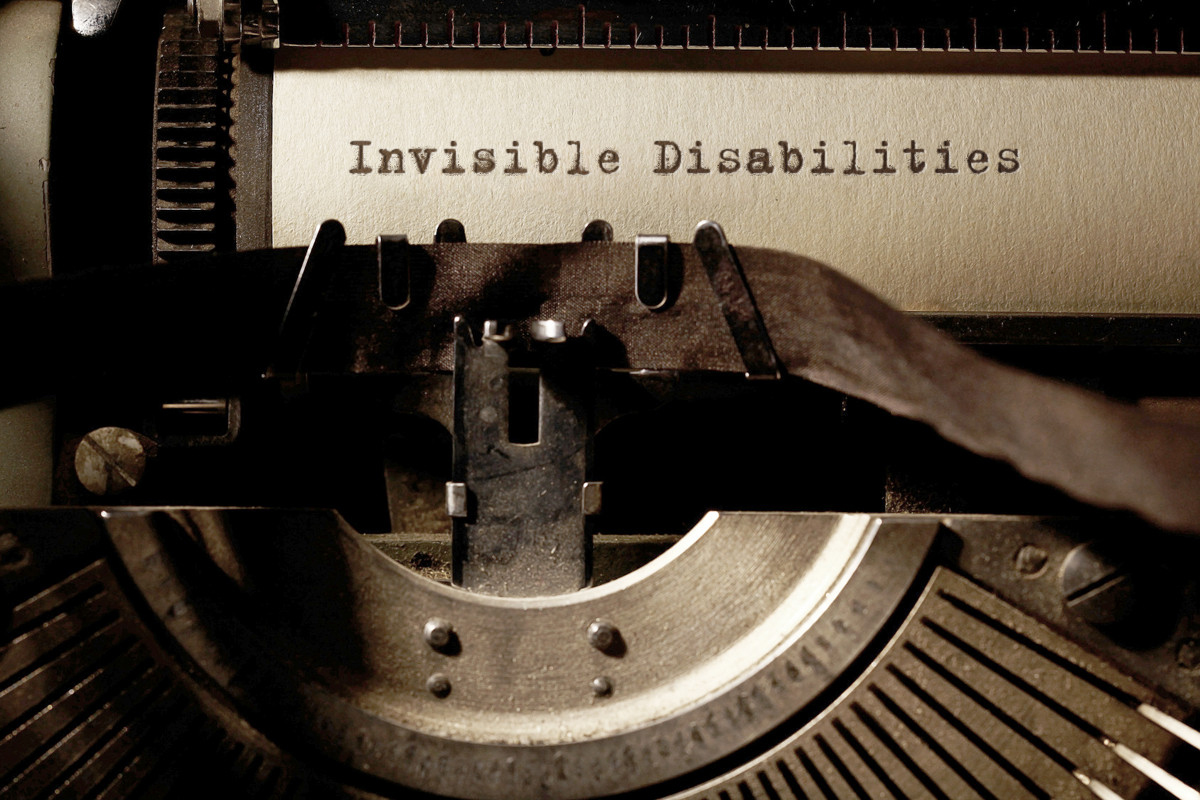
Invisible disabilities deserve recognition, understanding, and respect. Ableist attitudes rooted in ignorance and dismissiveness create barriers that can be just as disabling as the condition itself. Instead of questioning someone’s reality or minimising their struggles, we should listen, believe, and support. The lived experiences of those with invisible disabilities, like the editor who has battled OCD for decades, remind us that what cannot be seen can still have profound impact. True inclusivity means dismantling ableism and embracing empathy.
Trauma leaves lasting wounds, but numbing pain with drugs and alcohol only deepens the suffering. Although self-medication may seem like an escape, it damages the body and creates new chains of dependency. The path to healing is not easy, but it is possible. With therapy, support, and healthier coping mechanisms, people can face their fears, overcome their inner demons, and take back control of their lives.

Stress can play a major role in memory lapses, especially for people living with OCD and trauma. When the mind is overwhelmed by anxiety, daily pressures, or too many competing tasks, it can become harder to focus on intrusive thoughts or compulsions. Preoccupation with other responsibilities may naturally push the urge into the background, allowing it to fade over time. In this way, stress and distraction, although challenging, can sometimes disrupt the cycle of OCD by creating moments where the compulsion is forgotten.

Learn what “staying safe” really means and how to protect yourself from harassment, hate crime, racism, stalking, bullying, domestic violence, sexual assault, honour killings, and emotional distress. Know your rights and take steps to protect your wellbeing.
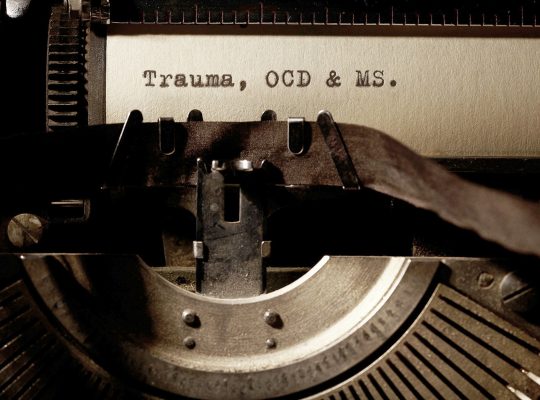
If only we could erase bad memories and achieve financial stability for the rest of our lives, our mental health would no doubt improve. A reflection on trauma, OCD, MS, and the importance of stability for wellbeing

Education is supposed to prepare students for the real world, but too often, schools fail to teach the very skills that young people need to thrive after graduation. Instead, the curriculum is filled with outdated or impractical subjects that do little to equip students for adulthood.

Britain’s strength has always been in its diversity and resilience. Those of us born here, regardless of our heritage or the sound of our names, are as much a part of this country as anyone else. Not all foreigners should be put in the same category. Our policies and attitudes should focus on real issues, such as illegal immigration, while protecting the dignity, safety, and rights of British citizens of all backgrounds.