Showing 16 Result(s)
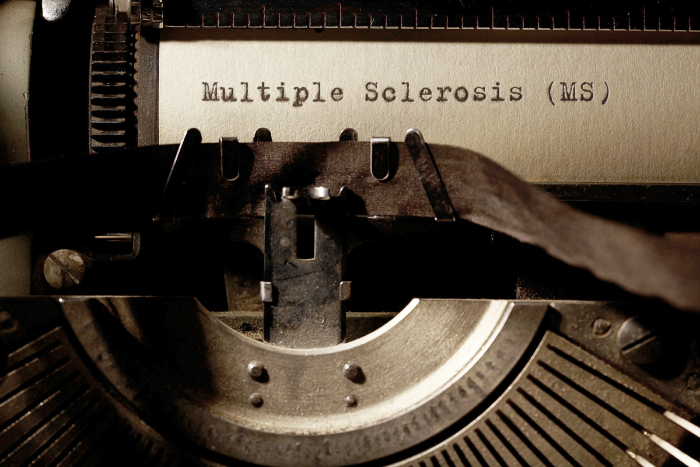
Brown and Cream Landscape Image Of A Vintage Typewriter With The Wording 'Multiple Sclerosis (MS) typed On Paper. Image Credit: PhotoFunia.com Category: Vintage- Typewriter.

Kamuvudine-9 and Multiple Sclerosis

Multiple sclerosis research has produced an intriguing new development following the publication of a study involving an experimental medicine called kamuvudine-9, also known as K-9. Researchers have reported that K-9 was able not only to prevent further neurological deterioration in a laboratory model of multiple sclerosis but also to reverse existing paralysis and vision loss in mice.
Image Description: Brown & Cream Coloured Image Depicting a Typewriter With Wording "Rare Genetic Disorder" Typed On Paper. Image Credit: PhotoFunia.com Category: Vintage Typewriter.

A Three-Year-Old Receives Groundbreaking Gene Therapy

In a historic medical breakthrough, a three-year-old child has become the youngest patient ever to receive a revolutionary form of gene therapy, offering hope to families affected by rare and life-threatening genetic conditions. The pioneering treatment, administered at a leading children’s hospital in the UK, has shown early signs of success and could change the trajectory of treatment for similar disorders worldwide.

Image Description: Brown & Cream Coloured Image Depicting a Typewriter With Wording "Havana Syndrome" Typed On Paper. Image Credit: PhotoFunia.com Category: Vintage Typewriter.

Uncovering the Mystery of Havana Syndrome: A Global Medical Enigma

As the investigation into Havana Syndrome continues, the global community remains uncertain about its cause. While some point to nefarious forces or secret weapons, others argue that the truth may lie in something more human — the pressures of a high-stakes, high-risk profession. For now, the mystery persists, and those affected are left to face a reality that is as puzzling as it is painful.

Brain Chip Domain Name For Sale

Mind Over Machine: Scientists Develop Robotic Arm Controlled by Imagination

The ability to control devices with the mind alone offers a glimpse into a future where independence is not limited by physical ability. Whether it’s restoring basic movement, enhancing communication, or simply giving people more control over their daily lives, advances like these are redefining what’s possible. As science continues to merge imagination with innovation, the line between limitation and liberation grows thinner—and the future, brighter.