Using Extremes To Detact A Liar
Learn how to detect deception using psychological techniques such as extremes, one-word responses, and behavioural analysis. Discover how lawyers, police, and tax inspectors identify lies.

DISABLED ENTREPRENEUR – DISABILITY UK
Disability UK Online Health Journal – All In One Business In A Box – Forum – Business Directory – Useful Resources – Health – Human Rights – Politics
DISABLED ENTREPRENEUR – DISABILITY UK
Disability UK Online Health Journal – All In One Business In A Box – Forum – Business Directory – Useful Resources – Health – Human Rights – Politics
Browsing Category
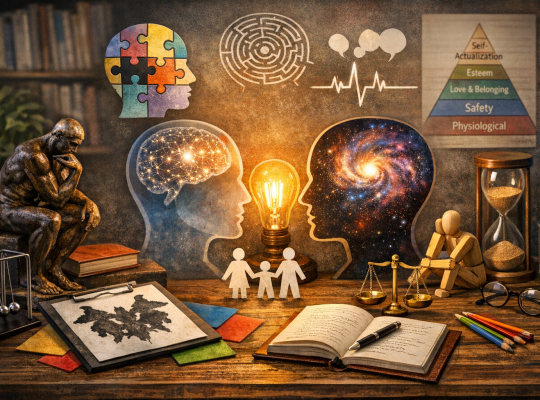
Learn how to detect deception using psychological techniques such as extremes, one-word responses, and behavioural analysis. Discover how lawyers, police, and tax inspectors identify lies.
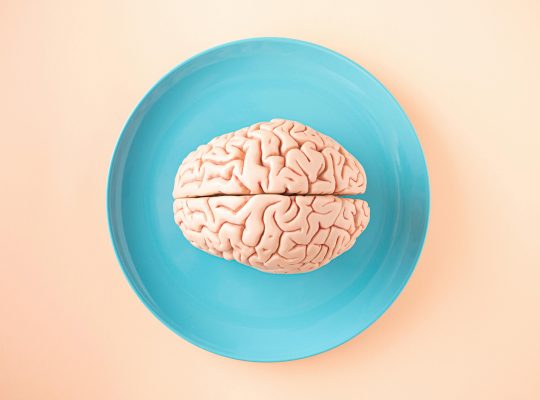
Many of today’s most respected shows focus on practical habits backed by neuroscience, psychology, and long-term research. By listening consistently, people can pick up realistic strategies that support brain health without drastic lifestyle changes.
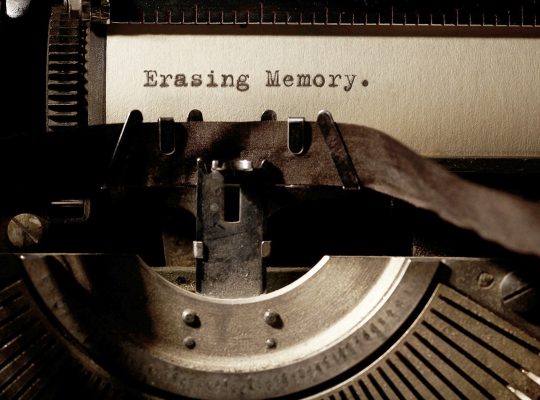
Managing distressing memories through existing therapies, mindfulness, and support networks remains the most accessible path. As research continues, the dream of selectively forgetting the bad while keeping the good may one day become a reality. Until then, moments of natural relief, like forgetting an OCD trigger and finding the anxiety has passed, remind us of the brain’s capacity to heal itself.

Stress can play a major role in memory lapses, especially for people living with OCD and trauma. When the mind is overwhelmed by anxiety, daily pressures, or too many competing tasks, it can become harder to focus on intrusive thoughts or compulsions. Preoccupation with other responsibilities may naturally push the urge into the background, allowing it to fade over time. In this way, stress and distraction, although challenging, can sometimes disrupt the cycle of OCD by creating moments where the compulsion is forgotten.

Through tort law, individuals and organisations, councils included, can be sued for damages provided there’s evidence of negligence or intentional wrongdoing. Compensation is available and varies depending on the severity of harm and supporting evidence.
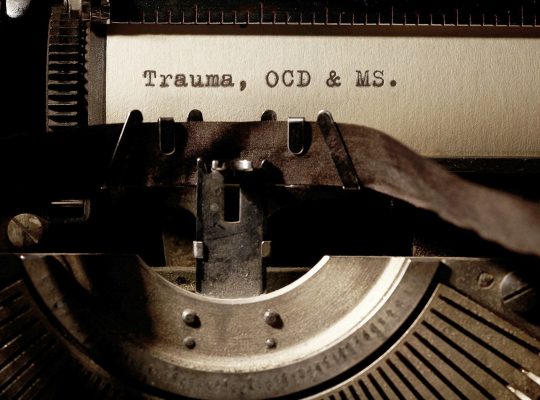
If only we could erase bad memories and achieve financial stability for the rest of our lives, our mental health would no doubt improve. A reflection on trauma, OCD, MS, and the importance of stability for wellbeing

Trauma is the emotional and psychological response to an event—or series of events—that overwhelms a person’s ability to cope. It’s not just about what happened, but how it made you feel: unsafe, powerless, or deeply shaken. Trauma can stem from a one-time incident like an accident or loss, or from long-term experiences like abuse, neglect, or living in constant fear.

As the investigation into Havana Syndrome continues, the global community remains uncertain about its cause. While some point to nefarious forces or secret weapons, others argue that the truth may lie in something more human — the pressures of a high-stakes, high-risk profession. For now, the mystery persists, and those affected are left to face a reality that is as puzzling as it is painful.
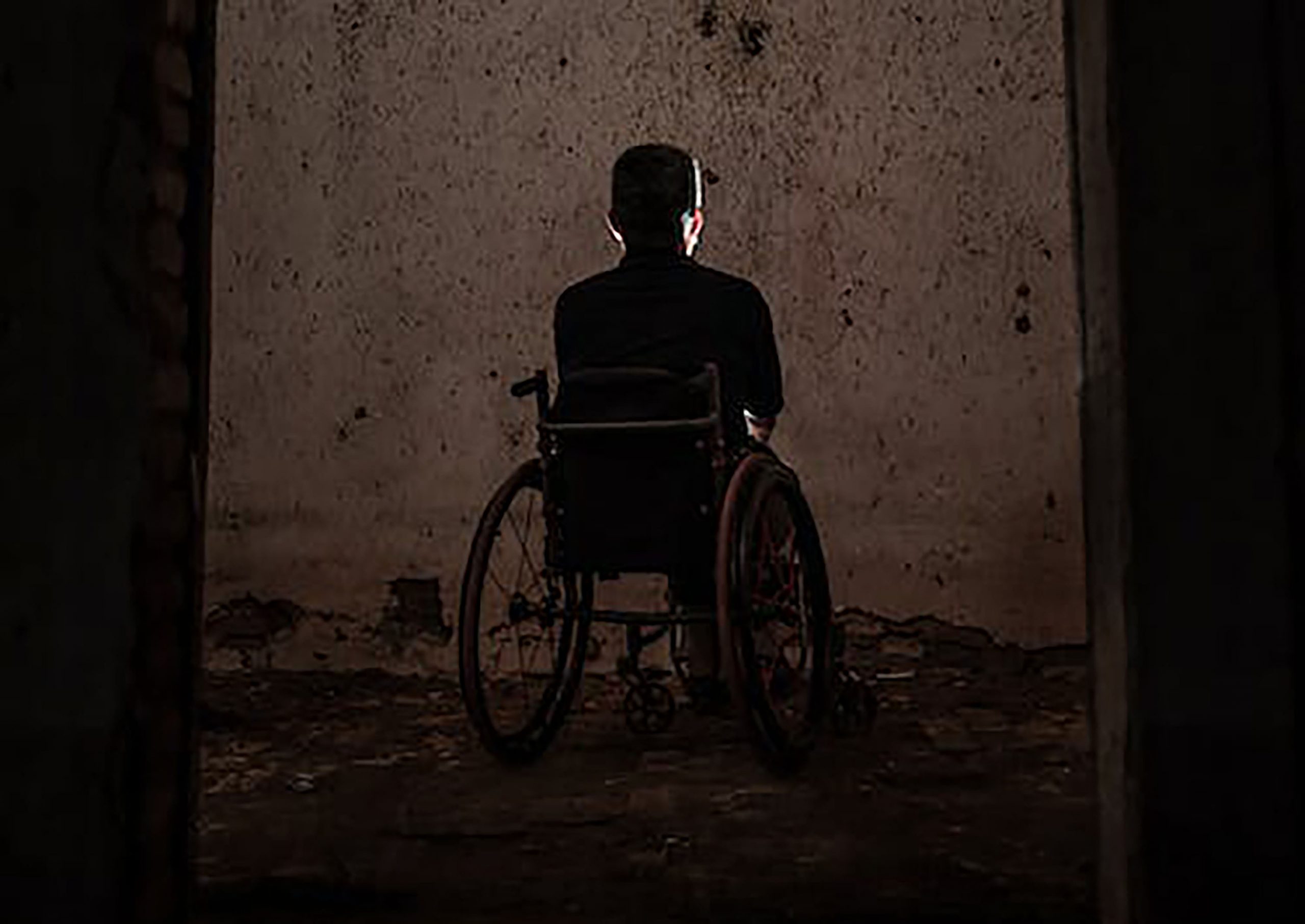
While neurostimulation holds promise as a treatment for depression, it’s essential to approach the idea of “bio-hacking” with caution. More research is needed to determine the long-term effects and ideal usage of these methods. If you or someone you know is considering neurostimulation, it’s crucial to consult with a healthcare provider to ensure safe and effective treatment.
The term “disease of the mind” has significant implications in both medical and legal contexts. While it is often associated with conditions that affect cognitive and emotional functioning, the interpretation of this term can vary depending on the perspective taken.