AI Lawyers: Will There Come a Day When We No Longer Need Solicitors, Barristers or Judges?
Could AI lawyers replace solicitors, barristers and judges? Explore the legality, ethics, benefits and risks of AI legal advice and the future of justice.

DISABLED ENTREPRENEUR – DISABILITY UK
Disability UK Online Health Journal – All In One Business In A Box – Forum – Business Directory – Useful Resources – Health – Human Rights – Politics
DISABLED ENTREPRENEUR – DISABILITY UK
Disability UK Online Health Journal – All In One Business In A Box – Forum – Business Directory – Useful Resources – Health – Human Rights – Politics
Browsing Category
Could AI lawyers replace solicitors, barristers and judges? Explore the legality, ethics, benefits and risks of AI legal advice and the future of justice.

Death Tax explained: learn how UK Inheritance Tax affects estates, life-insurance payouts, inherited pensions and the controversial April 2027 rules.
Can disabled lawyers work from home? Explore remote legal careers, reasonable adjustments, video court hearings and human rights law in the UK.
Civil law governs disputes between individuals or organizations, aiming to resolve issues like contracts, property, and family matters through compensation or court orders. Tort law is a branch of civil law that deals specifically with wrongful acts, such as negligence or defamation, where one party causes harm to another, and the injured party can seek damages.
The Disability Discrimination Act 1995 has been replaced by the Equality Act 2010, but its spirit lives on. The Equality Act not only carried forward the protections of the DDA but also expanded them, creating a more comprehensive framework for tackling discrimination. For disabled people, this means their rights are now protected under a single, stronger piece of legislation, but ensuring those rights are respected still requires continued advocacy, awareness, and enforcement.
Police powers are vital for maintaining law and order, but they must always be balanced with civil liberties and human rights. Vulnerable groups, particularly minors and disabled individuals, require additional safeguards to prevent abuse or discrimination. Understanding your rights under PACE, questioning the use of stop and search, and knowing the complaint procedures are essential tools for seeking justice when things go wrong.
Freedom of speech is the cornerstone of any democratic society. It ensures that individuals and organizations can express their thoughts, opinions, and truths without fear of persecution or suppression. However, recent developments in the UK suggest that this fundamental right may be under threat, as the government plans to shut down websites that they deem to promote “fake news.”
The UK government’s move to abolish the Human Rights Act and potentially leave the ECHR could leave citizens with no enforceable rights. What would this mean for the public, migrants, and democracy?
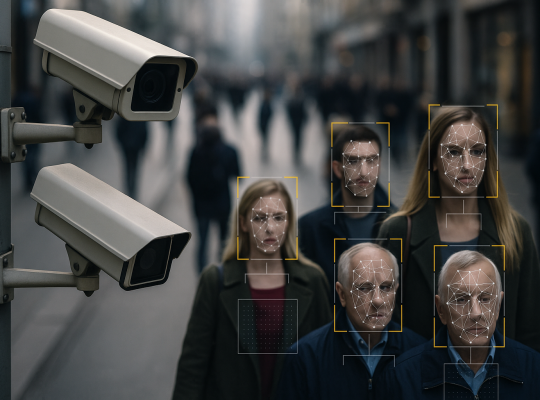
As facial recognition continues to evolve, its deployment must be balanced against privacy laws, GDPR obligations, and fundamental human rights. Without stricter regulations and safeguards, the technology risks eroding the very freedoms it claims to protect.

Deepfake technology presents a growing threat to personal dignity, democratic integrity, and public trust. While the UK has acted against sexually explicit deepfakes, wider identity protection remains fragmented. Denmark is leading with a landmark law granting citizens copyright-like rights over their face, voice, and body. The UK now has the opportunity to go further, combining legal reform with technological innovation to safeguard identity in the digital age.