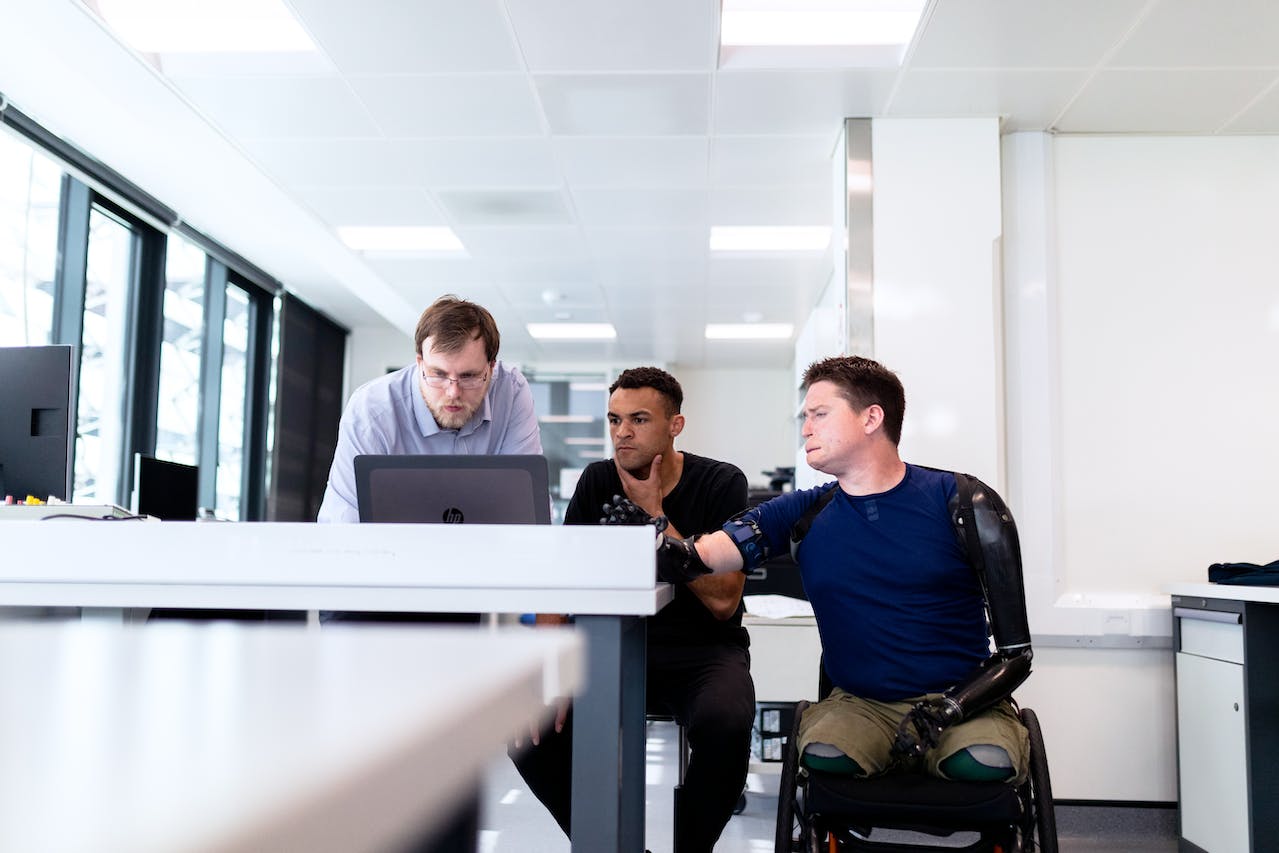
C-Suite Courses for Executives: What They Involve, What You Learn and Who They Are For
Discover what a C-suite executive course covers, who it is for, transferable leadership skills, accessibility and disability inclusion.
DISABLED ENTREPRENEUR – DISABILITY UK
Disability UK Online Health Journal – All In One Business In A Box – Forum – Business Directory – Useful Resources – Health – Human Rights – Politics
DISABLED ENTREPRENEUR – DISABILITY UK
Disability UK Online Health Journal – All In One Business In A Box – Forum – Business Directory – Useful Resources – Health – Human Rights – Politics
Browsing Category

Discover what a C-suite executive course covers, who it is for, transferable leadership skills, accessibility and disability inclusion.

When designed thoughtfully, digital training platforms do more than improve efficiency. They support inclusion, enable equitable participation, and create opportunities for employees and business owners who may previously have faced structural obstacles.

A clear step-by-step guide to academic essay writing in law and healthcare, explaining structure, critical analysis, and key differences to help students achieve higher marks.

Attracting employees with disabilities isn’t about a single policy or perk. It’s about aligning structures, benefits, and incentives so qualified people can see a future at your organization. When employers remove unnecessary barriers, they don’t just hire more inclusively; they build workplaces that work better for everyone.

Disability and poverty are deeply intertwined, and when they co-exist, the barriers multiply. Families with disabled children are more likely to experience financial hardship, social exclusion, and mental health challenges, yet they often receive the least support. According to recent research, including findings from The Childhood Trust, the cost of living crisis has placed even more strain on already stretched services, making it harder for social workers to meet the needs of families with disabled children.

When a system structurally excludes, misjudges, or punishes people with fluctuating disabilities, it is not just morally unjust — it may also be legally non-compliant. Disabled individuals and advocacy groups have a strong basis to argue that the PIP framework, as currently implemented, fails to meet legal standards of fairness, equality, and dignity.

Endurance, coordination, and strength are frequently taken for granted in the workplace—until the demands of the job begin to wear on those who are not adequately prepared. In sectors where physical performance is crucial, clearly defining capability is not only helpful but also necessary.

Learn how to start a coaching program, explore pricing models, and launch a done-for-you business ideal for remote work and people with disabilities.

Depression doesn’t happen without cause. It’s not a weakness or a choice — it is a reaction to pain, pressure, and often unimaginable hardships. Understanding the many reasons why someone may be suffering is the first step toward compassion, not judgment. Whether the cause is trauma, genetics, loss, or societal pressures, every person fighting depression deserves understanding, support, and the knowledge that their pain is real — and that healing is possible. Everyone’s journey is different, but no one should have to walk it alone.

The proposed public spending changes could exacerbate issues, potentially driving vulnerable individuals into poverty and undermining their dignity and well-being. Human rights advocates stress that such policies may contravene international human rights standards, particularly those related to social security and an adequate standard of living.