Showing 229 Result(s)
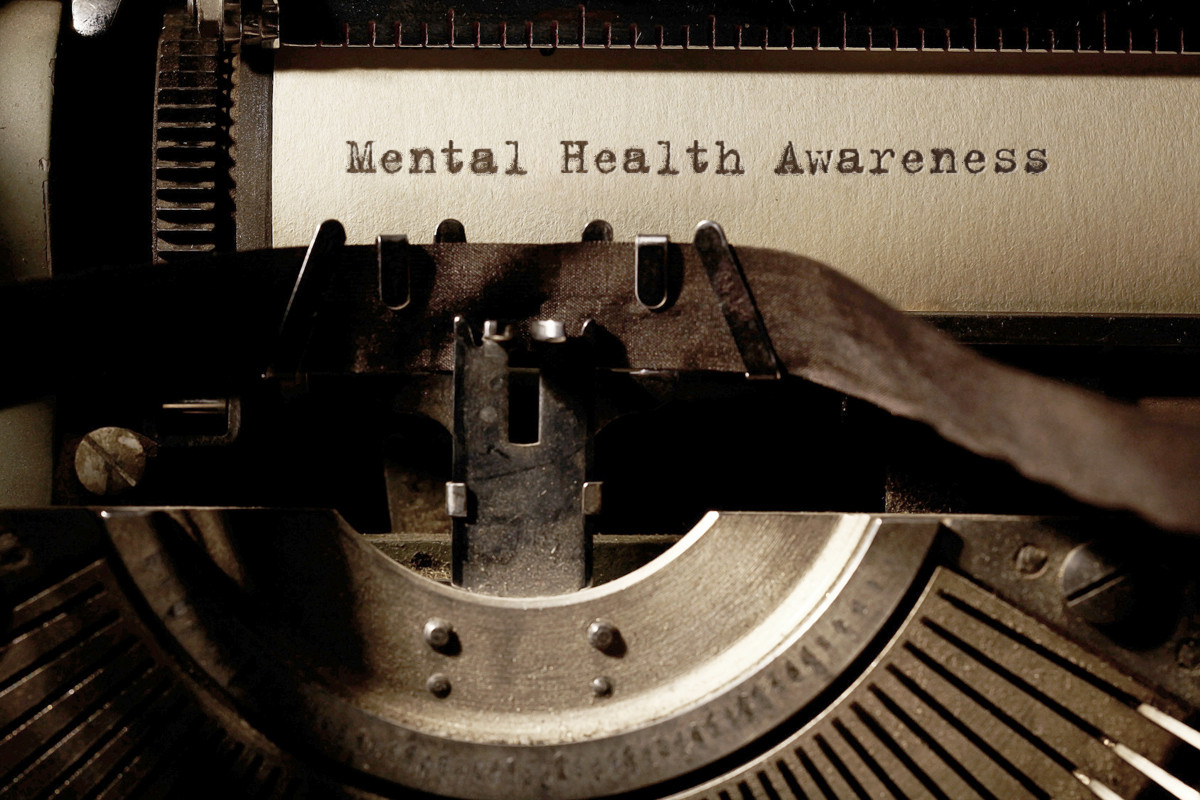
Brown & Cream Image Depicting Mental Health Awareness Text On Typewriter Paper. Image Created by PhotoFunia.com

How to Overcome Intrusive Thoughts and Paranoia

Intrusive thoughts and paranoia can be distressing, often leaving individuals feeling overwhelmed, isolated, or out of control. Understanding their causes and learning strategies to manage them can significantly improve mental and physical wellbeing.

How Your Universal Credit Application Is Affected

If you’re juggling caregiving responsibilities, part-time work, self-employment, and/or part-time study, applying for Universal Credit (UC) can seem daunting. Each of these situations comes with its own set of rules and considerations, and combining any of them can make the process more complex.

Definition of Emotianal Distress

Proving emotional distress requires a combination of personal documentation, professional support, witness statements, and objective evidence of impact. By meticulously gathering records and supporting your claims with credible sources, you can build a robust case for emotional distress. Taking these steps helps ensure that the distress you’ve experienced is acknowledged and that perpetrators are held accountable.

Universal Credit and Mental Health Deterioration

Universal Credit, intended to streamline welfare support, has become a source of severe emotional distress for many, especially those with mental health conditions, disabilities, or those juggling multiple responsibilities like caring, self-employment, and education. The system’s requirements often push claimants into situations that worsen their mental health, with frequent threats of sanctions and unrealistic task demands creating a cycle of anxiety and fear.

Coercion into Employment for Disabled and Self-Employed

Governments sometimes employ coercive measures to ensure that citizens are actively seeking work, increasing their working hours, or attending mandatory appointments—sometimes without considering an individual’s personal circumstances, including disability or self-employment. Such coercion can often infringe on a number of human rights and statutory protections.

What Is The Spoon Theory In Terms Of MS

The Spoon Theory offers a simple yet profound framework for understanding the complexities of living with MS and other chronic illnesses. It illustrates how daily activities can feel like constant, exhausting choices that most people take for granted. For those with MS, managing spoons is an ongoing process requiring patience, understanding, and often, self-compassion.

DWP Sending Work Coaches into Mental Health Hospitals

The DWP’s decision to send work coaches into mental health hospitals to push vulnerable patients off benefits and into work is a deeply concerning practice. It violates basic human rights, risks further harm to those in mental distress and may breach UK law. There must be immediate scrutiny of this policy, and the government needs to reconsider how it supports, rather than coerces, those with severe mental health conditions. Failing to act could not only worsen the mental health crisis in the UK but also invite serious international condemnation.