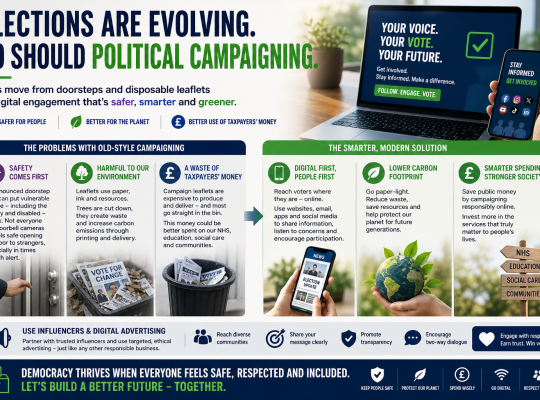
Modern Elections Sustainability in a Digital Age
An in-depth look at how political campaigning in the UK is shifting from door-to-door canvassing to digital engagement, exploring safety concerns, environmental impact, and modern alternatives.
DISABLED ENTREPRENEUR – DISABILITY UK
Disability UK Online Health Journal – All In One Business In A Box – Forum – Business Directory – Useful Resources – Health – Human Rights – Politics
DISABLED ENTREPRENEUR – DISABILITY UK
Disability UK Online Health Journal – All In One Business In A Box – Forum – Business Directory – Useful Resources – Health – Human Rights – Politics
Browsing Category

An in-depth look at how political campaigning in the UK is shifting from door-to-door canvassing to digital engagement, exploring safety concerns, environmental impact, and modern alternatives.

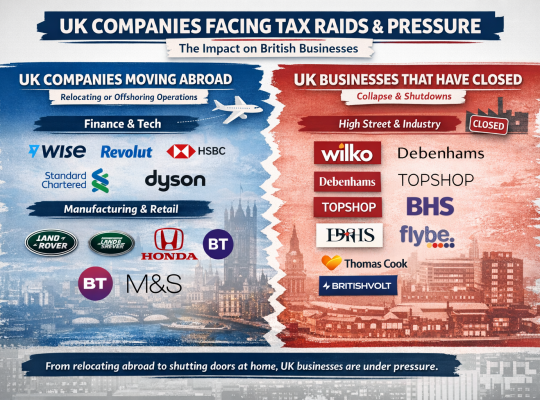
An in-depth look at rising business closures in the UK, exploring the impact of taxation, inheritance laws, and economic pressures, plus strategies to help businesses survive challenging times.

At a time when disabled entrepreneurs and professionals are striving for financial independence, the extra mobility provided by a suitably adapted vehicle may be a vital investment, not just a perk. Suppliers such as Trundle Trucks Ltd stand ready to support those needs even if the mainstream scheme becomes more restrictive.

Labour is facing the prospect of another mass rebellion from its own MPs as concerns mount over proposed reforms to the universal credit system. The focus of unease is on changes to the assessment process for disability benefits, particularly the health element of universal credit (UC).

Balancing Security, Privacy, and Accessibility in the UK’s New Digital ID System In September 2025, the UK government announced a plan to introduce a mandatory digital ID for citizens and …

Reducing welfare payments in the name of fiscal savings directly undermines human rights protections meant to ensure dignity, equality, and security for all. When economic decisions neglect the real-world consequences for the most vulnerable, they risk violating the Human Rights Act, the Equality Act, and international human rights standards. Rather than shrinking support, the government should focus on policies that uplift all members of society and reinforce fundamental rights.

Job hunting and running a business share a common struggle; despite effort, visibility, and determination, opportunities remain scarce. The case of Joe Emery highlights the reality that many people face: endless applications, countless rejections, and a system that seems blind to the human toll of unemployment. Businesses, particularly disabled entrepreneurs, mirror this struggle, working tirelessly yet seeing minimal returns.

The prevalence of child poverty is not an accident; it is a consequence of policies, priorities, and political inertia. When the government subsidises steak dinners in Westminster while a child in the UK skips meals, something is deeply broken. If deprivation becomes acceptable, we risk losing the very soul of our society. It’s time for bold, compassionate leadership that puts children first, not after debates, not after budgets, but now.

An urgent letter from the United Nations Committee on the Rights of Persons with Disabilities (UNCRPD) to the UK government has sparked outrage and concern within the disability community. The correspondence, sent Monday evening (07/07/25), follows a coordinated campaign by disabled people’s organisations (DPOs) who presented damning evidence of how the proposed cuts to out-of-work disability benefits could worsen the lives of thousands of disabled people.

While reforming PIP to make it more compassionate and efficient is a valid goal, the current welfare vote signals a dangerous turn toward conditionality and restriction. The proposed “two-tier” approach risks further marginalising vulnerable people and failing to address the diverse spectrum of disability and illness in the UK. Without meaningful consultation, real investment, and a focus on dignity and independence, the government may not be reforming welfare, but dismantling it.