How to Set Up a Limited Company in the UK: A Complete Guide for Entrepreneurs
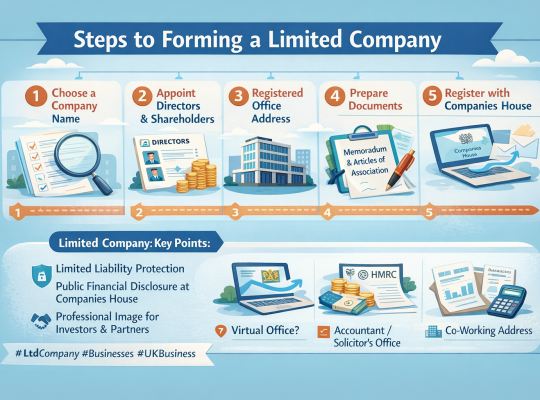
Learn how to set up a limited company in the UK, including business structures, legal obligations, pros and cons, and why investors prefer limited companies.
DISABLED ENTREPRENEUR – DISABILITY UK
Disability UK Online Health Journal – All In One Business In A Box – Forum – Business Directory – Useful Resources – Health – Human Rights – Politics
DISABLED ENTREPRENEUR – DISABILITY UK
Disability UK Online Health Journal – All In One Business In A Box – Forum – Business Directory – Useful Resources – Health – Human Rights – Politics
Browsing Category

Learn how to set up a limited company in the UK, including business structures, legal obligations, pros and cons, and why investors prefer limited companies.

A complete UK guide to angel investment for start-ups and sole traders, including SEIS/EIS tax relief, eligibility rules, success rates, and alternative funding options.

Regardless if you are an able-bodied or disabled person, starting or expanding a business, one of the most important decisions is choosing the right legal structure. In the UK, the most common options are Sole Trader, Partnership, and Limited Company (Director-owned). Each comes with its own legal, financial, and tax obligations. Understanding the differences will help you make an informed choice, avoid pitfalls, and remain compliant with HMRC and Companies House.

Employing staff as a Disabled Entrepreneur Freelancer or Sole Trader is entirely possible and a powerful way to grow your business. By following these steps, registering as an employer, writing contracts, setting up payroll, issuing payslips, and fulfilling your legal obligations, you can build a reliable team to deliver contracts successfully. Whether you use fixed contracts or flexible zero-hours agreements, staying compliant ensures professionalism, protects your business, and builds trust with your employees.