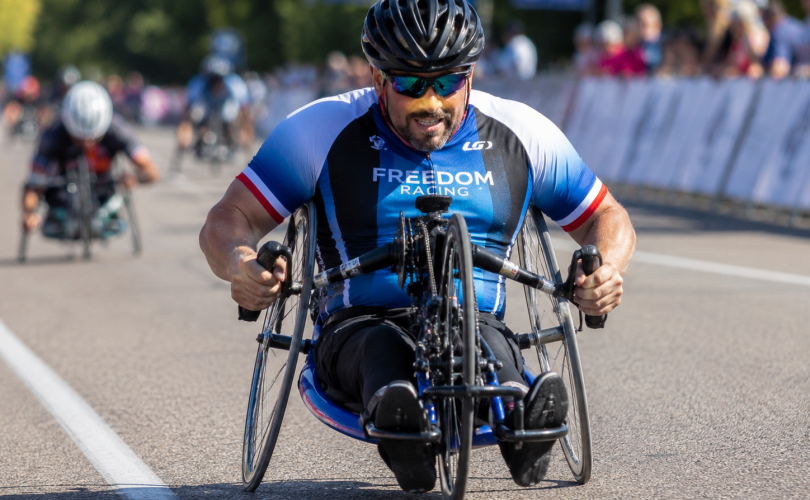
Understanding Adaptive Bikes
Physical activity is essential for healthy growth and development, yet individuals with mobility challenges or developmental disabilities may face barriers when participating in traditional recreational activities. Adaptive cycling provides an inclusive solution that allows children and adults with special needs to enjoy the benefits of movement, exercise, and outdoor exploration. By offering customised support and stability, adaptive bikes make cycling accessible while encouraging physical development in a safe and enjoyable way.
As awareness of adaptive recreation continues to grow, many families, therapists, and educators recognise the positive impact adaptive bikes can have on strength, coordination, and overall well-being.
Adaptive bikes are specially designed bicycles that accommodate individuals who may be unable to ride a standard bike. They often include features such as three-wheel designs, supportive seating, safety harnesses, hand pedals, foot supports, and customised steering controls.
These modifications help riders maintain stability and confidence while participating in cycling activities. Adaptive bikes can benefit individuals with conditions such as cerebral palsy, Down syndrome, autism spectrum disorder, muscular dystrophy, spina bifida, and other mobility-related challenges.
By making cycling more accessible, adaptive bikes provide opportunities for physical activity that might otherwise be difficult to achieve.
Improving Muscle Strength
One of the most significant physical benefits of cycling is increased muscle development. Riding requires consistent movement of the legs, core, and, in some cases, the arms. These repetitive motions help strengthen muscles while promoting improved endurance over time.
Using new adaptive bikes for special needs allows riders to engage in regular physical activity that supports muscle growth without placing excessive strain on the body. Depending on the rider’s ability level and bike configuration, cycling can help improve lower-body strength, trunk stability, and overall physical conditioning.
Consistent participation can contribute to greater functional mobility, making everyday activities more manageable.
Enhancing Balance and Coordination
Balance and coordination are important components of physical development. Many individuals with special needs experience difficulties in these areas, which can affect mobility and participation in recreational activities.
Adaptive bikes provide structured support while encouraging riders to develop motor skills. As users pedal, steer, and navigate different environments, they practice coordinating movements and responding to changes in direction and terrain.
Over time, these activities can help improve body awareness, motor planning, and coordination. Enhanced balance and movement control may also support progress in other physical and occupational therapy goals.
Supporting Cardiovascular Health
Regular aerobic exercise is important for maintaining a healthy heart and improving overall endurance. Cycling is an effective cardiovascular activity that increases heart rate while remaining relatively low impact on joints and muscles.
Adaptive cycling allows individuals with special needs to participate in sustained physical activity that promotes circulation and cardiovascular fitness. Improved endurance can make daily activities less physically demanding and support a more active lifestyle.
Because cycling is enjoyable for many riders, it often encourages long-term participation, which is essential for maintaining physical health over time.
Encouraging Proper Posture and Mobility
Many adaptive bikes are designed to promote proper positioning and body alignment during use. Features such as adjustable seating systems, supportive backrests, and customized foot placements help riders maintain a comfortable and functional posture.
Proper positioning can contribute to better movement patterns and increased comfort during physical activity. For some individuals, regular cycling may also help improve flexibility and range of motion by encouraging repetitive, controlled movements.
These benefits can support overall mobility and complement therapeutic programs aimed at improving physical function.
Increasing Participation in Physical Activity
Children and adults are more likely to remain active when they enjoy the activities they participate in. Adaptive cycling combines physical exercise with recreation, making it an appealing option for many individuals with special needs.
The ability to ride alongside family members, friends, and peers creates a sense of inclusion that can increase motivation and participation. Regular engagement in enjoyable physical activities helps establish healthy habits that contribute to lifelong wellness.
Greater participation also reduces sedentary behaviour, which can support overall physical and emotional health.
Complementing Therapy Goals
Adaptive bikes are frequently incorporated into physical and occupational therapy programs. Therapists often use cycling activities to help individuals work toward goals related to strength, coordination, endurance, and functional mobility.
Because adaptive bikes can be customised to meet specific needs, they provide a versatile tool for supporting individualised therapy plans. Riders can continue practising skills outside of clinical settings, reinforcing progress through enjoyable and meaningful activities.
This combination of therapy and recreation often leads to improved engagement and greater consistency in physical activity.
Building Confidence Through Physical Achievement
Physical development is closely connected to confidence and self-esteem. Learning new skills and achieving personal milestones can have a powerful impact on an individual’s sense of accomplishment.
Adaptive cycling allows riders to experience success while improving physical abilities. Whether mastering steering, increasing endurance, or completing longer rides, these achievements can boost confidence and encourage continued participation in active pursuits.
As confidence grows, individuals may become more willing to explore new recreational activities and engage more actively in their communities.
Conclusion
Adaptive bikes play an important role in supporting physical development for individuals with special needs. By promoting muscle strength, balance, coordination, cardiovascular fitness, and mobility, these specialised bikes provide meaningful opportunities for exercise and growth.
Beyond the physical benefits, adaptive cycling encourages inclusion, independence, and confidence, helping riders lead more active and fulfilling lives. For families, caregivers, and therapists seeking effective ways to support physical development, adaptive bikes offer a valuable solution that combines therapy, recreation, and long-term wellness.


Jenny Fries, a freelance writer, specializes in writing about technology, travel, business, and health. She offers freelance blogging and content writing for SEO. Fries likes to travel, cook, and write vacation plans when she's not writing.