Showing 7 Result(s)
Image Description: Brown & Cream Coloured Image Depicting a Typewriter With the wording "Ozempic Lawsuit" Typed On Paper. Image Credit: PhotoFunia.com Category: Vintage Typewriter.

Ozempic Under Scrutiny: Weight Loss, Side Effects and the Growing GLP-1 Lawsuits

Ozempic has become famous for weight loss, but semaglutide was primarily developed to treat type 2 diabetes. We examine how Ozempic and other GLP-1 medicines work, their common and serious side effects, gastroparesis and gastrointestinal concerns, the growing US Ozempic lawsuits, emerging NAION vision-loss litigation, and what the FDA and European Medicines Agency say about using GLP-1 drugs safely for weight management.

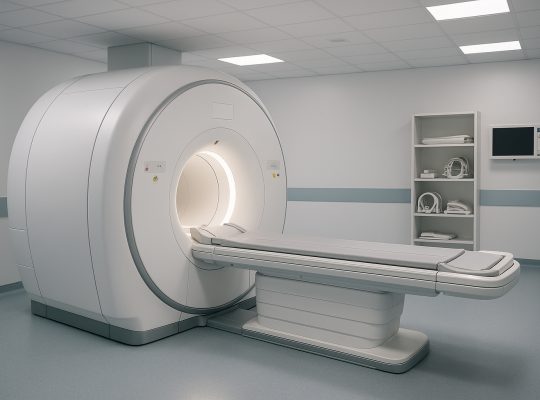
Alt text: Modern MRI scanner in a hospital imaging suite with a wide-bore tunnel and patient table, shown in landscape orientation. Image credit: Created with AI by ChatGPT (2025).

Contrast Dye in Medical Imaging Dangers

The UK sees ~20–30 deaths from anaphylaxis per year, and about half are iatrogenic (triggered by medical treatments such as drugs and, rarely, radiocontrast media). That means a real, though small, number of UK deaths each year fall into the “medical cause” category.

Cell & Gene Therapy Text On Typewriter Paper. Image Credit: PhotoFunia.com

Synthetic Futures or Superhuman Fears? The Genetic Frontier Stirring Global Debate

A groundbreaking and highly controversial scientific initiative is now underway in the UK, as leading British researchers aim to synthesize the first human genome entirely from scratch, not by altering existing DNA, but by building it letter by letter in the lab. Spearheaded by scientists from the University of Oxford, Cambridge, Kent, Manchester, and Imperial College London, this ambitious project is known as the Synthetic Human Genome (SynHG) project and is being funded by the Wellcome Trust, the world’s largest medical research charity.

NHS Faces Major Disruption as GPs Threaten Strike Action

GP doctors in the UK are well-compensated, with average salaries ranging from £60,000 to £100,000 annually, depending on experience and location. Despite this significant remuneration, GPs could benefit from using a GPAI app to better organize their workloads, ensuring more efficient and patient-centered care.