Addison’s Disease and PIP Eligibility
Can you claim PIP for Addison’s disease? Learn how fatigue, dizziness, muscle weakness, medication management and adrenal crises may affect PIP eligibility, daily living and mobility points.
DISABLED ENTREPRENEUR – DISABILITY UK
Disability UK Online Health Journal – All In One Business In A Box – Forum – Business Directory – Useful Resources – Health – Human Rights – Politics
DISABLED ENTREPRENEUR – DISABILITY UK
Disability UK Online Health Journal – All In One Business In A Box – Forum – Business Directory – Useful Resources – Health – Human Rights – Politics
Browsing Category

Can you claim PIP for Addison’s disease? Learn how fatigue, dizziness, muscle weakness, medication management and adrenal crises may affect PIP eligibility, daily living and mobility points.

Struggling with sudden bladder urgency, leaks, or accidents? This guide explains overactive bladder in medical terms, why it happens, practical remedies, workplace coping tips, and PIP eligibility.

A letter from your GP, along with copies of your medical history, is crucial for a successful PIP claim. These documents provide solid evidence of your condition, detailing your symptoms, treatments, and how the disability affects your daily life. By presenting medical records, you offer a comprehensive view of your needs, ensuring the decision-making process is based on factual and reliable information. This approach increases the accuracy of your claim and helps prevent any potential discrepancies or delays.

“It is imperative to provide supporting medical history records as well as documentation such as a diary/journal of your daily living routine. Smartwatches can provide data, although they may not cover everything, such as overactive bladder, for example, or certain mental health conditions.”

The fear that AI could be a competitor arises from concerns about job displacement, reduced creativity, and economic disruption. However, AI’s true potential lies in being a co-creator, enabling individuals, including disabled entrepreneurs, to leverage its capabilities to enhance and accelerate their work, while still maintaining the human touch in decision-making, creativity, and empathy.

Crossing international borders can be an anxiety-inducing experience for anyone. For individuals with disabilities, however, the process often escalates into a distressing ordeal that infringes upon dignity, induces humiliation, and highlights systemic inequities. Across the globe, people with visible and invisible disabilities encounter discriminatory practices, racism, and unwarranted assumptions at border controls, transforming an already challenging process into a deeply degrading experience.

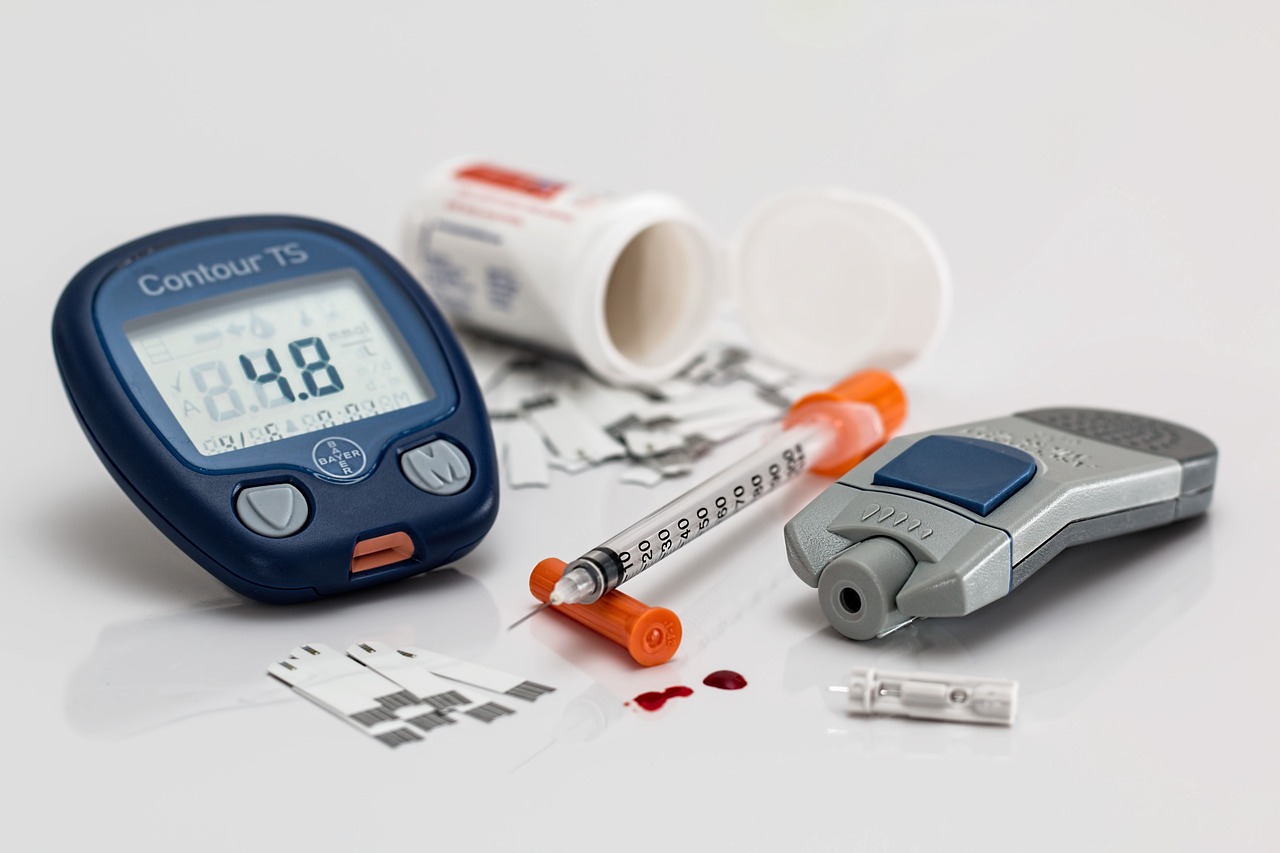
Diabetes is a chronic condition that affects millions of people worldwide. While manageable, it can have a significant impact on daily living and necessitate the use of aids, additional care, and specialized diets. Personal Independence Payment (PIP) is a benefit in the UK designed to support individuals with long-term health conditions or disabilities, including diabetes, by helping them meet the extra costs associated with their condition.

The government must ensure that any changes to the PIP system are fair, evidence-based, and designed to support, not hinder, the lives of disabled individuals. Moving forward, transparency, accountability, and a commitment to equality will be the cornerstones of a system that truly serves those in need.
The wide array of essential expenses that PIP covers for people with disabilities illustrates the importance of maintaining cash payments. A voucher-based system would struggle to address the individualized needs associated with disability-related costs, from specialized medical devices to unique dietary requirements.
Reforming the PIP assessment process by placing greater emphasis on medical evidence and outsourcing the collection and verification of this evidence to third-party agencies represents a win-win for both claimants and taxpayers.