PIP and the Timms Review
The latest Timms Review update on PIP, ADHD and autism, including current eligibility rules and concerns about disability discrimination and human rights.

DISABLED ENTREPRENEUR – DISABILITY UK
Disability UK Online Health Journal – All In One Business In A Box – Forum – Business Directory – Useful Resources – Health – Human Rights – Politics
DISABLED ENTREPRENEUR – DISABILITY UK
Disability UK Online Health Journal – All In One Business In A Box – Forum – Business Directory – Useful Resources – Health – Human Rights – Politics
Browsing Category
Personal Indpendence Payments (PIP) is a governemt benefit that pays money to help you with everyday life if you’ve an illness, disability or mental health condition. You can claim on top of Employment and Support Allowance or other benefits. Your income, savings, and whether you’re working or not or social status will not affect your eligibility.

The latest Timms Review update on PIP, ADHD and autism, including current eligibility rules and concerns about disability discrimination and human rights.

PIP claimants need accessible online change reporting. Telephone and postal barriers may disadvantage disabled people and engage UK equality duties.

A practical UK checklist for disabled non-dependants moving home, including who to inform, Universal Credit and carer rules, PIP address changes, council tax, single-person discount, bedroom tax, utilities, electoral roll, timeframes, and a draft email template.

An in-depth look at the challenges of working in retail with Multiple Sclerosis (MS), autoimmune disorders, visual impairments, secondary cataracts, fatigue, and eligibility for PIP benefits in the UK.

Government plans to reform or scrap sick notes have sparked criticism from disability advocates and legal commentators. Learn about the potential discrimination, ableism, Equality Act concerns, workplace safety risks, and the impact on employers and disabled workers.

Can a carer support someone virtually? Learn how remote caring, emotional support, online shopping assistance, and financial help may relate to Carer’s Allowance eligibility in the UK, including official GOV.UK guidance and carers’ rights.
DWP faces criticism after confirming under-25s will be excluded from extended PIP review periods. Disability campaigners warn the policy may unfairly discriminate against young disabled people and increase financial and mental health pressures.
As the Timms Review deadline approaches, concerns grow over whether the PIP system is fit for purpose. Campaigners, disabled people, and advocacy groups call for dignity, compassion, and reform in disability assessments.
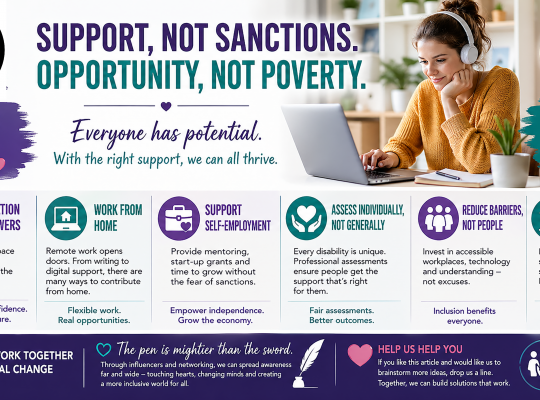
An in-depth look at young people on Personal Independence Payment, challenging claims that some conditions are “non-work-limiting” and exploring how disabilities affect employment.

An in-depth look at entrepreneurs relying on Universal Credit, the challenges of business growth, mental health struggles, and practical ways to stay resilient and build forward.