Search Warrants, Digital “Pings” & Your Rights
An in-depth legal guide on search warrants, digital tracking “pings,” and your rights when police search the wrong property. Learn about UK law, compensation, and how to challenge unlawful searches.

DISABLED ENTREPRENEUR – DISABILITY UK
Disability UK Online Health Journal – All In One Business In A Box – Forum – Business Directory – Useful Resources – Health – Human Rights – Politics
DISABLED ENTREPRENEUR – DISABILITY UK
Disability UK Online Health Journal – All In One Business In A Box – Forum – Business Directory – Useful Resources – Health – Human Rights – Politics
Browsing Category

An in-depth legal guide on search warrants, digital tracking “pings,” and your rights when police search the wrong property. Learn about UK law, compensation, and how to challenge unlawful searches.
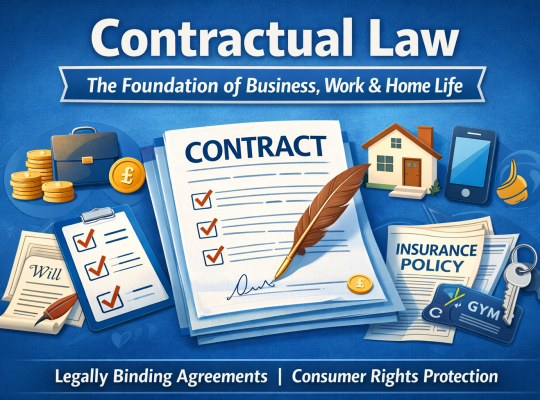
A comprehensive guide to contractual law in the UK, explaining its importance in business and everyday life, with examples of contracts, consumer rights, and legal support resources.
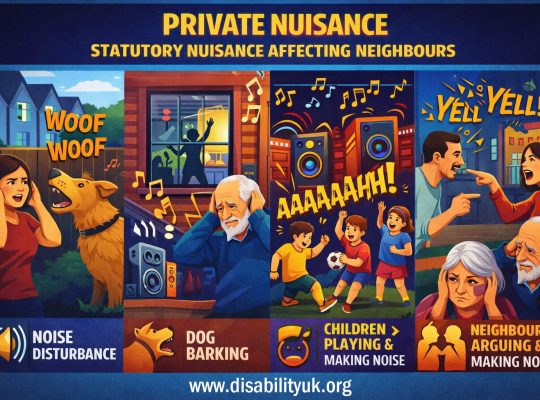
Learn your legal rights under UK private nuisance law, including noise complaints, barking dogs, tenant rights, and liability for street events affecting your home and work.

Constant dog barking from neighbours can disrupt work, study, and mental health. Learn your legal rights under UK nuisance law and how to resolve disputes calmly.

Writing academic papers is a core skill for any student, especially in disciplines like health and law, where precise language, logical structuring, and solid research are essential. Though the fundamentals of academic writing may be similar, the specific requirements for health and law papers often differ.
Civil law governs disputes between individuals or organizations, aiming to resolve issues like contracts, property, and family matters through compensation or court orders. Tort law is a branch of civil law that deals specifically with wrongful acts, such as negligence or defamation, where one party causes harm to another, and the injured party can seek damages.

Balancing Security, Privacy, and Accessibility in the UK’s New Digital ID System In September 2025, the UK government announced a plan to introduce a mandatory digital ID for citizens and …
The Disability Discrimination Act 1995 has been replaced by the Equality Act 2010, but its spirit lives on. The Equality Act not only carried forward the protections of the DDA but also expanded them, creating a more comprehensive framework for tackling discrimination. For disabled people, this means their rights are now protected under a single, stronger piece of legislation, but ensuring those rights are respected still requires continued advocacy, awareness, and enforcement.
Disclaimer: This article has been written by Renata M Barnes, a current Law Student. The content is provided for informational and educational purposes only and does not constitute legal advice. …

The Department for Work and Pensions (DWP) requires claimants to verify their identity when applying for Universal Credit. While many applicants can complete this process online, others are referred to face-to-face verification at their local Jobcentre. The purpose of this step is to prevent fraud, ensure that benefit payments are made to the correct person, and confirm eligibility.