How To Suppress Bad Memories
While completely erasing bad memories isn’t possible, learning how to suppress or manage them effectively can play a significant role in healing and improving mental well-being.

DISABLED ENTREPRENEUR – DISABILITY UK
Disability UK Online Health Journal – All In One Business In A Box – Forum – Business Directory – Useful Resources – Health – Human Rights – Politics
DISABLED ENTREPRENEUR – DISABILITY UK
Disability UK Online Health Journal – All In One Business In A Box – Forum – Business Directory – Useful Resources – Health – Human Rights – Politics
Browsing Category
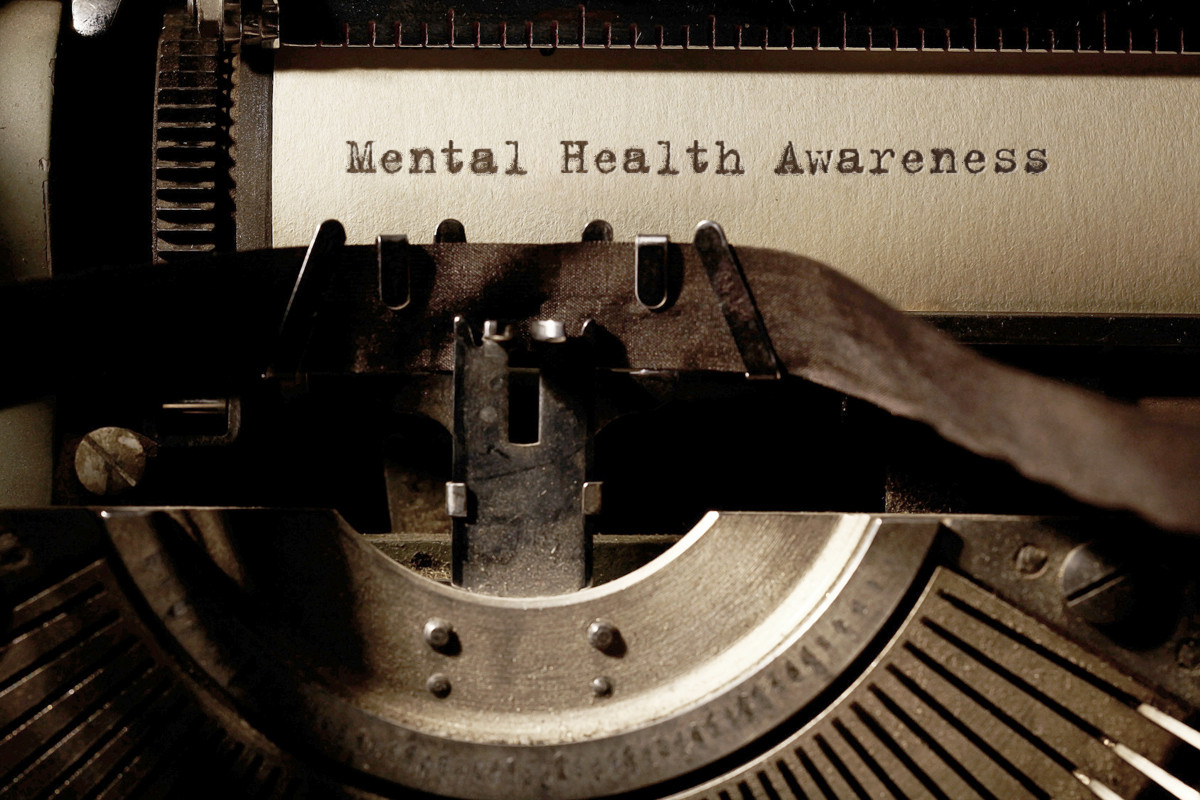
While completely erasing bad memories isn’t possible, learning how to suppress or manage them effectively can play a significant role in healing and improving mental well-being.
Mental health challenges can affect anyone, regardless of their profession or life circumstances. Whether it’s a lawyer managing the pressures of a courtroom, a teacher shaping young minds, or a student balancing academic and personal life, mental health plays a critical role in an individual’s overall well-being.

Many students overlook the crucial role sleep plays in their academic performance. It’s tempting to pull all-nighters before an exam or stay up late finishing assignments, but sleep deprivation can hinder focus, memory retention, and overall cognitive function.

Managing distressing memories through existing therapies, mindfulness, and support networks remains the most accessible path. As research continues, the dream of selectively forgetting the bad while keeping the good may one day become a reality. Until then, moments of natural relief, like forgetting an OCD trigger and finding the anxiety has passed, remind us of the brain’s capacity to heal itself.
Intrusive thoughts and the window of tolerance are closely linked through the lens of stress and emotional regulation. When you are within your window of tolerance, intrusive thoughts are easier to manage and less likely to overwhelm you. Conversely, being outside this zone can amplify their intensity, making emotional regulation strategies essential.

True wellness isn’t about perfecting one area of your health while neglecting others. It’s about recognizing that mental clarity, physical vitality, and nutritional choices are deeply intertwined, each one influencing the others in ways that can either elevate or undermine your overall well-being.
People with OCD don’t “choose” their thoughts or compulsions. Telling someone to “just get over it” is dismissive, harmful, and perpetuates ableist attitudes. If someone has lived with OCD for decades and tried all known interventions, Cognitive Behavioural Therapy (CBT), Exposure and Response Prevention (ERP), medication, counseling, and even alternative therapies such as hypnosis, it is unjust to boil their suffering down to a fad.

Trauma leaves lasting wounds, but numbing pain with drugs and alcohol only deepens the suffering. Although self-medication may seem like an escape, it damages the body and creates new chains of dependency. The path to healing is not easy, but it is possible. With therapy, support, and healthier coping mechanisms, people can face their fears, overcome their inner demons, and take back control of their lives.
If only we could erase bad memories and achieve financial stability for the rest of our lives, our mental health would no doubt improve. A reflection on trauma, OCD, MS, and the importance of stability for wellbeing

Traveling with a disability or hidden condition takes planning, but it shouldn’t stop you from seeing the world. Whether you’re worried about customs, the DWP, or managing OCD while abroad, being informed and prepared can make all the difference. Remember: not all disabilities are visible, and you have every right to ask for support from airlines, and airport staff,.