Recognizing Depression as a Disability
The imposition of sanctions on individuals with depression and anxiety, while disregarding medical professionals’ assessments, constitutes a form of indirect discrimination and ableism.

DISABLED ENTREPRENEUR – DISABILITY UK
Disability UK Online Health Journal – All In One Business In A Box – Forum – Business Directory – Useful Resources – Health – Human Rights – Politics
DISABLED ENTREPRENEUR – DISABILITY UK
Disability UK Online Health Journal – All In One Business In A Box – Forum – Business Directory – Useful Resources – Health – Human Rights – Politics
Browsing Category
The imposition of sanctions on individuals with depression and anxiety, while disregarding medical professionals’ assessments, constitutes a form of indirect discrimination and ableism.
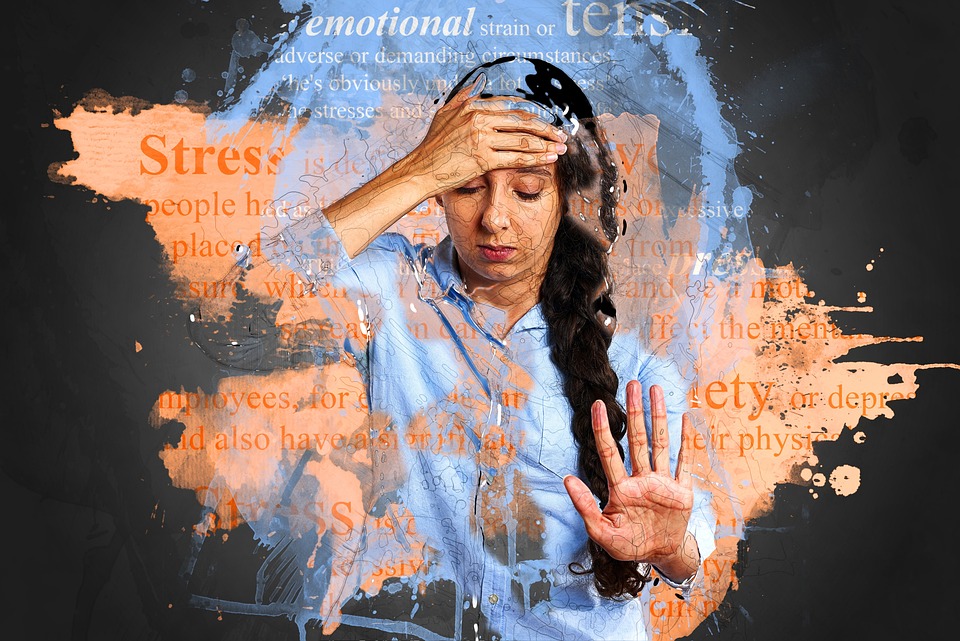
It’s important to recognize that mental health struggles can affect anyone, regardless of their profession or outward appearance. As we’ve discussed the signs of depression and the importance of seeking support, it’s crucial to remember that these issues are not just theoretical—they impact real people in profound ways.

Depression does not discriminate, and neither should those responsible for shaping and implementing policies and support systems. Policymakers and PIP assessors must uphold principles of fairness, empathy, and inclusivity, ensuring that all individuals with disabilities receive the respect, support, and opportunities they deserve. By doing so, we move closer to a society where everyone, regardless of their abilities, can lead fulfilling and dignified lives.
Distance learning, while convenient, can present challenges to mental health, such as feelings of isolation, lack of structure, and increased pressure. However, with the right strategies in place, students can maintain and even improve their mental well-being.

The meaning of Christmas extends beyond the festive decorations and exchanging of gifts. It is a time when people come together to celebrate the spirit of love, compassion, and goodwill.
Mental health challenges can affect anyone, regardless of their profession or life circumstances. Whether it’s a lawyer managing the pressures of a courtroom, a teacher shaping young minds, or a student balancing academic and personal life, mental health plays a critical role in an individual’s overall well-being.

Managing distressing memories through existing therapies, mindfulness, and support networks remains the most accessible path. As research continues, the dream of selectively forgetting the bad while keeping the good may one day become a reality. Until then, moments of natural relief, like forgetting an OCD trigger and finding the anxiety has passed, remind us of the brain’s capacity to heal itself.

Eating disorders are complex mental health conditions that involve a persistent disturbance in eating behaviors, thoughts, and emotions. They are often deeply intertwined with mental health issues and can significantly impact physical health, emotional well-being, and quality of life.
Intrusive thoughts and the window of tolerance are closely linked through the lens of stress and emotional regulation. When you are within your window of tolerance, intrusive thoughts are easier to manage and less likely to overwhelm you. Conversely, being outside this zone can amplify their intensity, making emotional regulation strategies essential.
Self-care is undeniably challenging for individuals with depression due to the interplay of emotional, cognitive, and external factors. Recognizing these barriers and implementing strategies to address them can help individuals with depression take steps toward better self-care and overall well-being. Understanding and empathy from loved ones and professionals are crucial in supporting those on their journey to recovery.