Contractual Law: The Invisible Framework Governing Everyday Life
A comprehensive guide to contractual law in the UK, explaining its importance in business and everyday life, with examples of contracts, consumer rights, and legal support resources.

DISABLED ENTREPRENEUR – DISABILITY UK
Disability UK Online Health Journal – All In One Business In A Box – Forum – Business Directory – Useful Resources – Health – Human Rights – Politics
DISABLED ENTREPRENEUR – DISABILITY UK
Disability UK Online Health Journal – All In One Business In A Box – Forum – Business Directory – Useful Resources – Health – Human Rights – Politics
Browsing Category
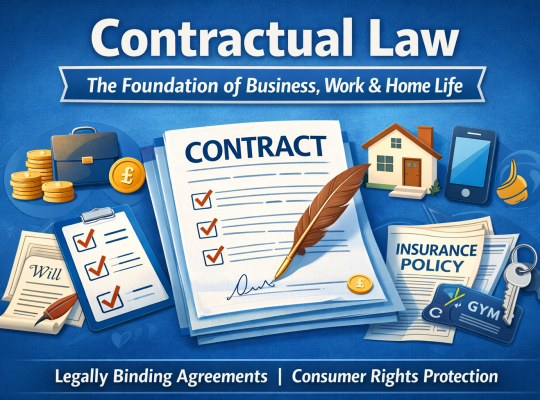
A comprehensive guide to contractual law in the UK, explaining its importance in business and everyday life, with examples of contracts, consumer rights, and legal support resources.

A comprehensive guide to Anti-Money Laundering (AML) in UK property transactions, explaining what solicitors ask, required documents, source of funds checks, and your rights against discrimination under the law.

A clear step-by-step guide to academic essay writing in law and healthcare, explaining structure, critical analysis, and key differences to help students achieve higher marks.

Thinking of becoming a mortgage broker in the UK? Learn the qualifications, FCA requirements, pricing transparency rules, disability inclusion, and how mortgage brokers differ from conveyancers. Includes a first-time buyer checklist, credit check guidance, and a disability-inclusive broker policy template.
Civil law governs disputes between individuals or organizations, aiming to resolve issues like contracts, property, and family matters through compensation or court orders. Tort law is a branch of civil law that deals specifically with wrongful acts, such as negligence or defamation, where one party causes harm to another, and the injured party can seek damages.

Contractual law is the backbone of all commercial transactions, setting out the rights and obligations of parties when entering into an agreement. Whether you are a buyer, supplier, service provider, or consumer, contracts provide legal certainty, enforceability, and protection in case of disputes. This guide explores what contractual law is, why small print. It also considers how such issues could be avoided through proper contract clauses and legal foresight.

The Disability Discrimination Act 1995 has been replaced by the Equality Act 2010, but its spirit lives on. The Equality Act not only carried forward the protections of the DDA but also expanded them, creating a more comprehensive framework for tackling discrimination. For disabled people, this means their rights are now protected under a single, stronger piece of legislation, but ensuring those rights are respected still requires continued advocacy, awareness, and enforcement.

Angela Rayner’s case highlights a bigger issue than one politician’s finances. It raises questions about trust, accountability, and fairness in the political system. While the courts or HMRC may decide whether any wrongdoing occurred, the court of public opinion has already drawn its verdict: the public demands equality before the law. No one, regardless of their position, should be able to bypass responsibilities that ordinary citizens would face the full force of the law for. If the rules apply to us, they must apply to them, too.

The UK government’s move to abolish the Human Rights Act and potentially leave the ECHR could leave citizens with no enforceable rights. What would this mean for the public, migrants, and democracy?
For both abled and disabled individuals, property transactions can be stressful, particularly if mobility, mental health, or accessibility needs are overlooked. Therefore, it’s essential to work with professionals who understand these challenges and can provide tailored support throughout the process.