Taking Things for Granted: Lessons I Learned Too Late
A personal reflection on taking things for granted, regret, grief, empty nest syndrome, and the connection to mental health—highlighting how loss teaches us the value of people and moments.

DISABLED ENTREPRENEUR – DISABILITY UK
Disability UK Online Health Journal – All In One Business In A Box – Forum – Business Directory – Useful Resources – Health – Human Rights – Politics
DISABLED ENTREPRENEUR – DISABILITY UK
Disability UK Online Health Journal – All In One Business In A Box – Forum – Business Directory – Useful Resources – Health – Human Rights – Politics
Browsing Category

A personal reflection on taking things for granted, regret, grief, empty nest syndrome, and the connection to mental health—highlighting how loss teaches us the value of people and moments.
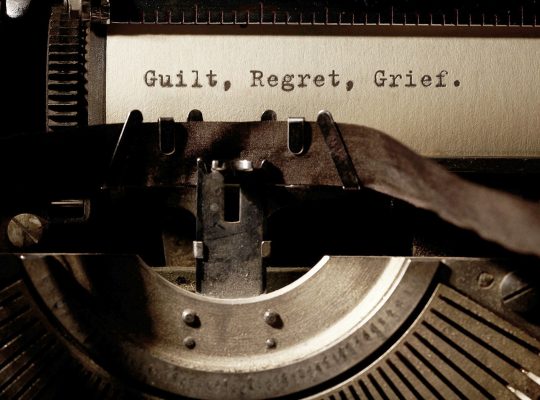
Grief is a powerful force, but it’s often the guilt and regret that linger in the shadows, slowly eating away at our sense of peace. Losing someone can bring to the surface feelings that we’d rather not face—memories of what we didn’t do, words we didn’t say, and actions we wish we could take back.

Depression does not discriminate, and neither should those responsible for shaping and implementing policies and support systems. Policymakers and PIP assessors must uphold principles of fairness, empathy, and inclusivity, ensuring that all individuals with disabilities receive the respect, support, and opportunities they deserve. By doing so, we move closer to a society where everyone, regardless of their abilities, can lead fulfilling and dignified lives.
Distance learning, while convenient, can present challenges to mental health, such as feelings of isolation, lack of structure, and increased pressure. However, with the right strategies in place, students can maintain and even improve their mental well-being.
Mental health challenges can affect anyone, regardless of their profession or life circumstances. Whether it’s a lawyer managing the pressures of a courtroom, a teacher shaping young minds, or a student balancing academic and personal life, mental health plays a critical role in an individual’s overall well-being.

Eating disorders are complex mental health conditions that involve a persistent disturbance in eating behaviors, thoughts, and emotions. They are often deeply intertwined with mental health issues and can significantly impact physical health, emotional well-being, and quality of life.
Intrusive thoughts and the window of tolerance are closely linked through the lens of stress and emotional regulation. When you are within your window of tolerance, intrusive thoughts are easier to manage and less likely to overwhelm you. Conversely, being outside this zone can amplify their intensity, making emotional regulation strategies essential.

Knowing when to bring in legal help for family matters isn’t just about protecting rights; it’s about ensuring the best possible outcome for everyone involved. While some family issues can be resolved through open dialogue and mutual agreement, complex situations often require professional legal expertise. Whether you’re dealing with thorny custody disputes, complicated asset division, safety concerns, or international family issues, having experienced legal representation can dramatically impact the final resolution.

Trauma can change a person’s world in an instant. Whether it stems from domestic violence, childhood abuse, loss, betrayal, or a sudden life-altering event, trauma leaves emotional imprints that can last a lifetime. It doesn’t simply fade away with time, instead, it lingers in the subconscious, replaying through intrusive memories, flashbacks, or emotional triggers that can feel impossible to escape.
Self-care is a vital aspect of maintaining mental and physical well-being. It involves activities and practices that we engage in regularly to reduce stress, enhance our health, and restore our balance.