Humphrey: The AI Revolution and the Legal Challenges of Forced Labour
www.gpai.co.uk domain name for sale. Please make an offer if you are interested in acquiring the domain: https://disabledentrepreneur.uk/contact/
DISABLED ENTREPRENEUR – DISABILITY UK
Disability UK Online Health Journal – All In One Business In A Box – Forum – Business Directory – Useful Resources – Health – Human Rights – Politics
DISABLED ENTREPRENEUR – DISABILITY UK
Disability UK Online Health Journal – All In One Business In A Box – Forum – Business Directory – Useful Resources – Health – Human Rights – Politics
Browsing Category

www.gpai.co.uk domain name for sale. Please make an offer if you are interested in acquiring the domain: https://disabledentrepreneur.uk/contact/

As the government struggles with mounting pressures on the public purse, it must confront a harsh reality: many people living with disabilities and long-term illnesses are being driven to despair by poverty, exacerbated by the rising cost of living.

Chronic Fatigue Syndrome (CFS), also known as Myalgic Encephalomyelitis (ME), is a debilitating condition characterised by extreme and persistent fatigue that does not improve with rest. This condition affects individuals physically, mentally, and emotionally, significantly impacting their quality of life. For many, it can lead to a level of disability that makes them eligible for Personal Independence Payment (PIP) in the UK.

In a shocking development, Rachel Reeves, the UK Shadow Chancellor, is reportedly preparing to cut billions of pounds from disability benefits in an attempt to address the country’s mounting debt crisis. This move, if implemented, would have devastating consequences for disabled individuals and raise serious questions about the morality and legality of such a policy.

No amount of talking or investigations will bring back the people who felt they had no way out. This system has not only claimed lives but also created a ripple effect of grief for families who mourn their loved ones every day. A toxic system that disregards the needs of vulnerable people perpetuates harm and shows a lack of compassion. There are alternative ways to address the fiscal black hole without jeopardizing people’s health and well-being.

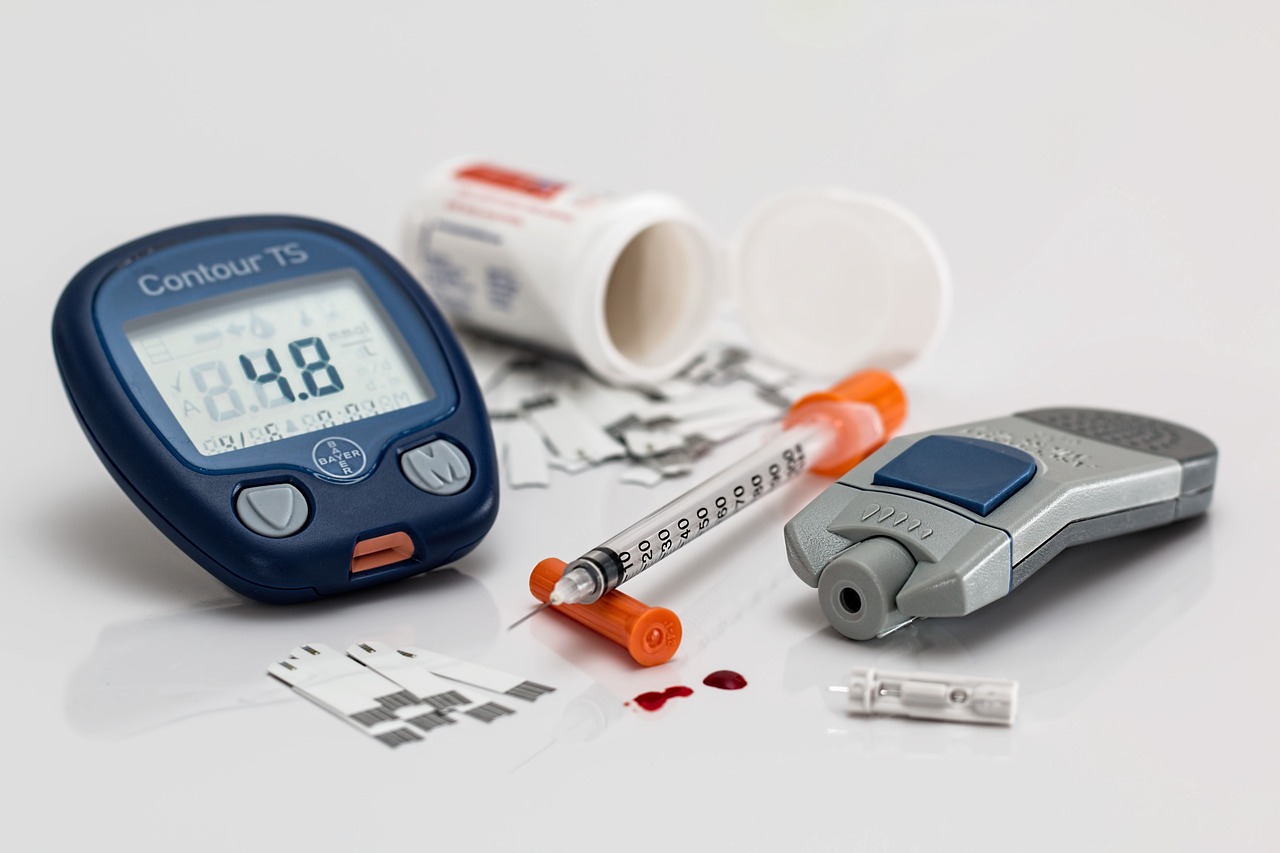
Diabetes is a chronic condition that affects millions of people worldwide. While manageable, it can have a significant impact on daily living and necessitate the use of aids, additional care, and specialized diets. Personal Independence Payment (PIP) is a benefit in the UK designed to support individuals with long-term health conditions or disabilities, including diabetes, by helping them meet the extra costs associated with their condition.

The government must ensure that any changes to the PIP system are fair, evidence-based, and designed to support, not hinder, the lives of disabled individuals. Moving forward, transparency, accountability, and a commitment to equality will be the cornerstones of a system that truly serves those in need.

Addressing the reluctance to hire disabled individuals requires a multifaceted approach, including raising awareness, providing education on disability issues, and promoting the benefits of a diverse workforce. By challenging misconceptions and implementing inclusive practices, businesses can tap into a pool of talented individuals, fostering innovation and reflecting societal diversity.
The Department for Work and Pensions (DWP) has recently introduced new rules for Jobcentre interactions, sparking widespread concern among claimants of Universal Credit (UC), Jobseeker’s Allowance (JSA), and Personal Independence Payment (PIP). These changes, which aim to streamline processes and increase claimant engagement, have left many feeling anxious about their financial security and the additional burdens imposed by these policies.
In a bold address, Liz Kendall, Secretary of State for Work and Pensions, unveiled plans for a comprehensive overhaul of the UK’s Jobcentre system as part of her broader mission to revitalize the labour market and tackle economic inactivity.