Building a More Disability-Inclusive Wales
How Wales can improve disability inclusion through accessible workplaces, remote work, inclusive startups, and community initiatives.

DISABLED ENTREPRENEUR – DISABILITY UK
Disability UK Online Health Journal – All In One Business In A Box – Forum – Business Directory – Useful Resources – Health – Human Rights – Politics
DISABLED ENTREPRENEUR – DISABILITY UK
Disability UK Online Health Journal – All In One Business In A Box – Forum – Business Directory – Useful Resources – Health – Human Rights – Politics
Browsing Category

How Wales can improve disability inclusion through accessible workplaces, remote work, inclusive startups, and community initiatives.

Mental health patients have legal rights. Learn about reasonable adjustments, consent, ableism, coercion, and how to handle controlling GPs under UK law.

For centuries, humanity has been fascinated with the idea of immortality, whether spiritual, biological, or digital. With modern advancements in neuroscience, artificial intelligence, and quantum theory, the question has evolved from myth to possibility: Could we one day upload our consciousness?

For millions of people in the UK living with chronic pain, applying for Personal Independence Payment (PIP) can feel like a battle against an invisible enemy. Pain, especially when it’s invisible or fluctuating, is difficult to measure, explain, and prove. The PIP assessment system, designed to support people with additional care or mobility needs, often falls short in recognising the daily impact of pain, leaving many to feel dismissed, doubted, or denied.

Living with chronic pain is an invisible battle that millions face daily. For those undergoing Personal Independence Payment (PIP) assessments in the UK, proving the extent and frequency of pain becomes yet another source of suffering. In today’s tech-driven society, there is an urgent need to develop wearable pain recognition tools, especially via mainstream devices like the Apple Watch.

Trussell Trust has issued a grave warning to the UK Government: if planned welfare reforms and budget cuts continue, an additional 340,000 people in households with a disabled member will be forced into hunger and hardship by 2030. For many of these families, it isn’t just a question of putting food on the table — it’s a question of survival.

In support of these national efforts, Disabled Entrepreneur UK is proud to partner with a leading market research agency, offering access to relevant datasets and analysis upon request. This partnership provides valuable insights into health inequalities, disability demographics, and socioeconomic factors that can help inform and enrich public health research initiatives across Wales. By aligning lived experience, academic expertise, and practical evidence, Disabled Entrepreneur UK contributes to building a more inclusive, informed, and forward-thinking public health research ecosystem.

Child poverty in the UK is a multifaceted issue that requires urgent attention. It affects not only the immediate well-being of children but also their mental health and prospects. Addressing this crisis necessitates a combination of policy reforms, community support, and collective action. By working together, society can strive to break the cycle of poverty and ensure a brighter future for all children.

Endurance, coordination, and strength are frequently taken for granted in the workplace—until the demands of the job begin to wear on those who are not adequately prepared. In sectors where physical performance is crucial, clearly defining capability is not only helpful but also necessary.
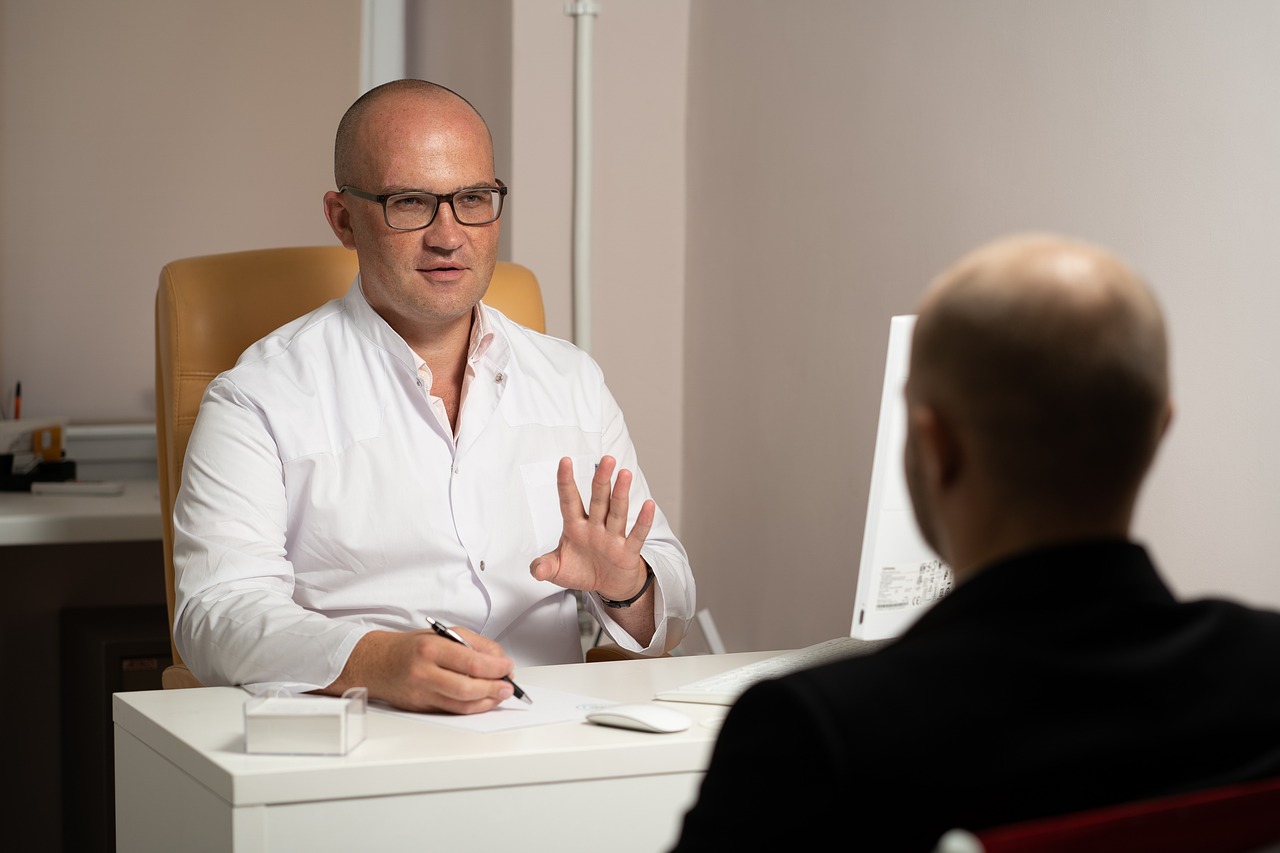
The abolition of NHS England represents a bold attempt by the government to reform the healthcare system in England. While the goal is to reduce bureaucracy and improve patient care, the success of this initiative will depend on the effective implementation and management of the transition. Continuous monitoring and engagement with healthcare professionals, patients, and other stakeholders will be essential to ensure that the restructuring achieves its intended outcomes without compromising the quality of care.