Optic Neuritis: Understanding Vision Loss, Recovery, and Hope for the Future
Optic neuritis explained: symptoms, treatment, recovery, and hope. Learn how to support someone with vision loss and explore future treatments like bionic eyes.

DISABLED ENTREPRENEUR – DISABILITY UK
Disability UK Online Health Journal – All In One Business In A Box – Forum – Business Directory – Useful Resources – Health – Human Rights – Politics
DISABLED ENTREPRENEUR – DISABILITY UK
Disability UK Online Health Journal – All In One Business In A Box – Forum – Business Directory – Useful Resources – Health – Human Rights – Politics
Browsing Category
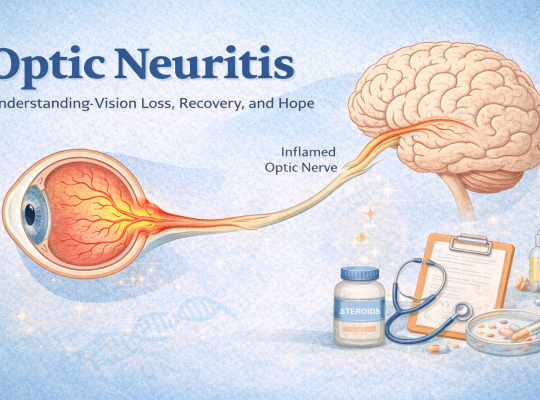
Optic neuritis explained: symptoms, treatment, recovery, and hope. Learn how to support someone with vision loss and explore future treatments like bionic eyes.
Many of today’s most respected shows focus on practical habits backed by neuroscience, psychology, and long-term research. By listening consistently, people can pick up realistic strategies that support brain health without drastic lifestyle changes.
Shaping a more neuroinclusive Wales through sustainable business practices, community collaboration, and inclusive design. Discover how Wales can lead as a flagship nation for disabled people.
Cardiff University’s Mental Health Research Institute leads world-class research into mental ill health and neurodegenerative disorders, translating innovation into better therapies across the lifespan.
Functional Neurological Disorder (FND) can change a life in an instant. One man’s courageous journey reveals the hidden reality of living with a condition that disrupts the brain’s ability to send and receive signals—despite normal scans and test results. Through weakness, tremors, mobility challenges, and daily unpredictability, he has discovered resilience he never knew he had. By sharing his story, he hopes to break the stigma, raise awareness, and empower others who feel unheard. His message is simple: FND is real, recovery is possible, and no one should face it alone.

Stress can play a major role in memory lapses, especially for people living with OCD and trauma. When the mind is overwhelmed by anxiety, daily pressures, or too many competing tasks, it can become harder to focus on intrusive thoughts or compulsions. Preoccupation with other responsibilities may naturally push the urge into the background, allowing it to fade over time. In this way, stress and distraction, although challenging, can sometimes disrupt the cycle of OCD by creating moments where the compulsion is forgotten.

Migraines are not just “bad headaches”; they are a complex neurological condition that can take different forms, often mimicking other medical problems. Understanding the different types, their causes, and how to manage them can make a huge difference to your quality of life, especially if you suffer frequently.

Disability and poverty are deeply intertwined, and when they co-exist, the barriers multiply. Families with disabled children are more likely to experience financial hardship, social exclusion, and mental health challenges, yet they often receive the least support. According to recent research, including findings from The Childhood Trust, the cost of living crisis has placed even more strain on already stretched services, making it harder for social workers to meet the needs of families with disabled children.

Trauma is the emotional and psychological response to an event—or series of events—that overwhelms a person’s ability to cope. It’s not just about what happened, but how it made you feel: unsafe, powerless, or deeply shaken. Trauma can stem from a one-time incident like an accident or loss, or from long-term experiences like abuse, neglect, or living in constant fear.

As the investigation into Havana Syndrome continues, the global community remains uncertain about its cause. While some point to nefarious forces or secret weapons, others argue that the truth may lie in something more human — the pressures of a high-stakes, high-risk profession. For now, the mystery persists, and those affected are left to face a reality that is as puzzling as it is painful.