Tort Law: An Overview of Principles
Disclaimer: This article has been written by Renata M Barnes, a current Law Student. The content is provided for informational and educational purposes only and does not constitute legal advice. …

DISABLED ENTREPRENEUR – DISABILITY UK
Disability UK Online Health Journal – All In One Business In A Box – Forum – Business Directory – Useful Resources – Health – Human Rights – Politics
DISABLED ENTREPRENEUR – DISABILITY UK
Disability UK Online Health Journal – All In One Business In A Box – Forum – Business Directory – Useful Resources – Health – Human Rights – Politics
Browsing Category
Disclaimer: This article has been written by Renata M Barnes, a current Law Student. The content is provided for informational and educational purposes only and does not constitute legal advice. …

The Department for Work and Pensions (DWP) requires claimants to verify their identity when applying for Universal Credit. While many applicants can complete this process online, others are referred to face-to-face verification at their local Jobcentre. The purpose of this step is to prevent fraud, ensure that benefit payments are made to the correct person, and confirm eligibility.
Freedom of expression and freedom of speech are fundamental human rights, recognised under international and domestic law. They empower individuals to voice their opinions, share ideas, and engage in open debate, which is vital for a democratic society. However, these freedoms are not absolute; they come with responsibilities and legal boundaries.
The UK government’s move to abolish the Human Rights Act and potentially leave the ECHR could leave citizens with no enforceable rights. What would this mean for the public, migrants, and democracy?
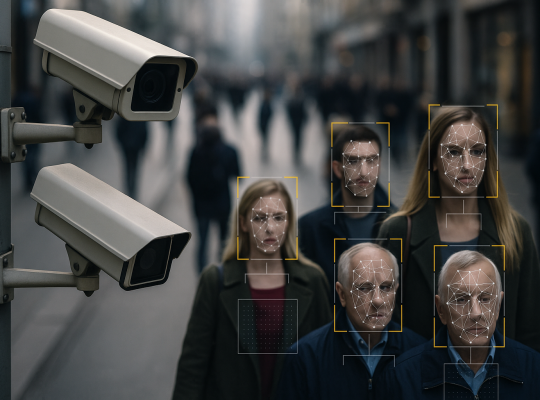
As facial recognition continues to evolve, its deployment must be balanced against privacy laws, GDPR obligations, and fundamental human rights. Without stricter regulations and safeguards, the technology risks eroding the very freedoms it claims to protect.

Deepfake technology presents a growing threat to personal dignity, democratic integrity, and public trust. While the UK has acted against sexually explicit deepfakes, wider identity protection remains fragmented. Denmark is leading with a landmark law granting citizens copyright-like rights over their face, voice, and body. The UK now has the opportunity to go further, combining legal reform with technological innovation to safeguard identity in the digital age.

There is no denying that fraud prevention is necessary, but the measures must be proportionate. Instead of casting suspicion on millions, campaigners suggest more targeted investigations, robust safeguards, independent oversight, and legal protections to prevent another scandal. If history teaches us anything, it is that unchecked government surveillance combined with flawed technology can devastate lives.

Social media is not an innocent pastime for children; it is a powerful, addictive force that can shape their self-worth, behaviour, and future in dangerous ways. Without immediate action, more young lives will be damaged or lost, and the cycle of harm will continue unchecked. The responsibility lies with all of us, parents, schools, lawmakers, and tech companies, to act now. Banning phones in schools, enforcing strict age verification, and introducing robust child-safety laws are not optional measures; they are urgent necessities. We cannot afford to wait for another tragedy to spur change. The time to protect our children is today.

Smart doorbells such as Ring, Nest, and Eufy have grown in popularity due to their convenience and added security. However, many homeowners and tenants don’t realise that installing these devices without following proper privacy laws can land them in legal hot water. Surveillance technology can be both a deterrent to crime and a potential invasion of privacy if not used correctly.