Building a More Disability-Inclusive Wales
How Wales can improve disability inclusion through accessible workplaces, remote work, inclusive startups, and community initiatives.
DISABLED ENTREPRENEUR – DISABILITY UK
Disability UK Online Health Journal – All In One Business In A Box – Forum – Business Directory – Useful Resources – Health – Human Rights – Politics
DISABLED ENTREPRENEUR – DISABILITY UK
Disability UK Online Health Journal – All In One Business In A Box – Forum – Business Directory – Useful Resources – Health – Human Rights – Politics
Browsing Category

How Wales can improve disability inclusion through accessible workplaces, remote work, inclusive startups, and community initiatives.

Disability and digital marketing intersect in powerful and transformative ways. The digital economy offers unprecedented opportunities for individuals with disabilities to achieve financial independence, creative expression, and professional growth.

For disabled entrepreneurs in the UK who are considering self-employment for the first time or rebuilding after a job that didn’t fit, business ownership challenges often start before day one: inaccessible spaces and systems, inconsistent support, and the worry that discrimination will show up in customers, suppliers, or paperwork. Add health and energy limits, fluctuating costs, and confusing rules, and it can feel like the business world was designed for someone else.

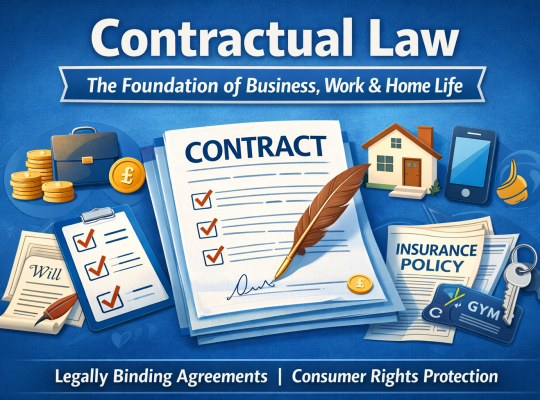
Contractual law is the backbone of all commercial transactions, setting out the rights and obligations of parties when entering into an agreement. Whether you are a buyer, supplier, service provider, or consumer, contracts provide legal certainty, enforceability, and protection in case of disputes. This guide explores what contractual law is, why small print. It also considers how such issues could be avoided through proper contract clauses and legal foresight.

Job hunting and running a business share a common struggle; despite effort, visibility, and determination, opportunities remain scarce. The case of Joe Emery highlights the reality that many people face: endless applications, countless rejections, and a system that seems blind to the human toll of unemployment. Businesses, particularly disabled entrepreneurs, mirror this struggle, working tirelessly yet seeing minimal returns.

Job hunting can be an emotional rollercoaster. For many applicants, it’s not just about career advancement, it’s about survival, stability, and dignity. Yet far too often, candidates are left in the dark, ignored for months or indefinitely “ghosted” after investing time, energy, and hope into their application. The silence can be deafening, and detrimental to mental health.

Dropshipping is a business model that allows entrepreneurs to sell products online without holding inventory. Instead of stocking goods, the store sells the product, and then passes the sales order to a third-party supplier who ships the product directly to the customer. This model has a low barrier to entry, minimal upfront investment, and is perfect for people wanting to start an eCommerce business from home.

There has never been a more empowering time to start a business from scratch, especially if you are long-term unemployed, disabled, or seeking independence from a system that doesn’t always serve you. With government policy actively encouraging people to return to work, including those who face barriers due to disability or health, starting your own business can be a powerful, self-directed solution. You gain not only control over your income and routine but also protection from benefit sanctions, while still receiving financial support as you build your dream from the ground up.

Legal Content Writing: Its Role, Requirements, and Relevance to Solicitor Qualification Legal writing plays a crucial role in both academic and professional legal practice. Whether drafting journal articles, case notes, …

The upcoming bill addressing Personal Independence Payment (PIP) reform and broader budget cuts could mark a turning point for millions of vulnerable citizens across the UK. If passed, it threatens to withdraw essential support from disabled individuals who rely on this benefit to maintain basic quality of life.