Contractual Law: The Invisible Framework Governing Everyday Life
A comprehensive guide to contractual law in the UK, explaining its importance in business and everyday life, with examples of contracts, consumer rights, and legal support resources.

DISABLED ENTREPRENEUR – DISABILITY UK
Disability UK Online Health Journal – All In One Business In A Box – Forum – Business Directory – Useful Resources – Health – Human Rights – Politics
DISABLED ENTREPRENEUR – DISABILITY UK
Disability UK Online Health Journal – All In One Business In A Box – Forum – Business Directory – Useful Resources – Health – Human Rights – Politics
Browsing Category
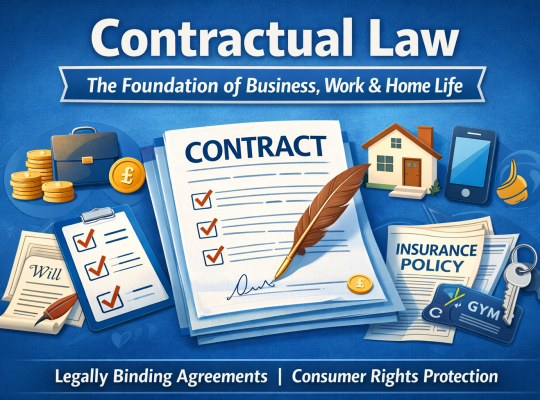
A comprehensive guide to contractual law in the UK, explaining its importance in business and everyday life, with examples of contracts, consumer rights, and legal support resources.
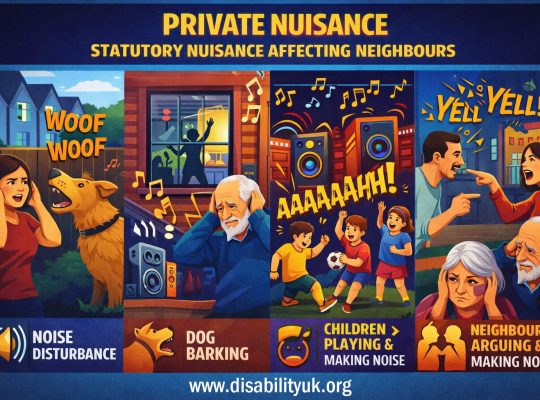
Learn your legal rights under UK private nuisance law, including noise complaints, barking dogs, tenant rights, and liability for street events affecting your home and work.

Learn how to detect deception using psychological techniques such as extremes, one-word responses, and behavioural analysis. Discover how lawyers, police, and tax inspectors identify lies.
Learn how social media increases brand awareness, exposure, and traffic. Discover how LinkedIn engagement expands your reach through second and third connections.

Exploring the balance between freedom of expression and public harm — and why stronger legislation, trigger warnings, and editorial standards are urgently needed in media and social platforms.
Civil law governs disputes between individuals or organizations, aiming to resolve issues like contracts, property, and family matters through compensation or court orders. Tort law is a branch of civil law that deals specifically with wrongful acts, such as negligence or defamation, where one party causes harm to another, and the injured party can seek damages.
The Disability Discrimination Act 1995 has been replaced by the Equality Act 2010, but its spirit lives on. The Equality Act not only carried forward the protections of the DDA but also expanded them, creating a more comprehensive framework for tackling discrimination. For disabled people, this means their rights are now protected under a single, stronger piece of legislation, but ensuring those rights are respected still requires continued advocacy, awareness, and enforcement.
Police powers are vital for maintaining law and order, but they must always be balanced with civil liberties and human rights. Vulnerable groups, particularly minors and disabled individuals, require additional safeguards to prevent abuse or discrimination. Understanding your rights under PACE, questioning the use of stop and search, and knowing the complaint procedures are essential tools for seeking justice when things go wrong.
The UK government’s move to abolish the Human Rights Act and potentially leave the ECHR could leave citizens with no enforceable rights. What would this mean for the public, migrants, and democracy?

Social media is not an innocent pastime for children; it is a powerful, addictive force that can shape their self-worth, behaviour, and future in dangerous ways. Without immediate action, more young lives will be damaged or lost, and the cycle of harm will continue unchecked. The responsibility lies with all of us, parents, schools, lawmakers, and tech companies, to act now. Banning phones in schools, enforcing strict age verification, and introducing robust child-safety laws are not optional measures; they are urgent necessities. We cannot afford to wait for another tragedy to spur change. The time to protect our children is today.