Showing 24 Result(s)
Image Description: Brown & Cream Coloured Image Depicting a Typewriter With Wording "Ablest Attitudes". Typed On Paper. Image Credit: PhotoFunia.com Category: Vintage Typewriter.

How To Deal With People With Ableist Attidudes

Living with an invisible disability is a silent struggle, one that is often met with doubt, judgment, and unsolicited advice. The absence of visible symptoms often leads others, sometimes even friends or family, to minimise or dismiss the very real impact such conditions have on daily life. This ableist mindset can be harmful, especially when it’s cloaked in “concern” or feigned expertise.

Court Room Scene Created By AI Image Created By AI Bing Co-Pilot Designer. Powered By DALL E:3

The Definition of Hate Crime and What the Law Says

Hate crime is a violation of human rights and a crime against the very values of equality, dignity, and respect. It tears communities apart and leaves victims in emotional ruins. Society must come together to condemn hate, strengthen the law, and support victims. Most importantly, we must remember that diversity is our strength, and no one should be made to feel unsafe for simply being who they are.

Image Description: Brown & Cream Coloured Image Depicting a Typewriter With Wording "Disabled Lives Matter". Typed On Paper. Image Credit: PhotoFunia.com Category: Vintage Typewriter.

A Nation on Edge: What You Need to Know About Labour’s Benefits Reform and the PIP Shake-Up

“Vouchers Are Not A Lifeline, They Are A Limitation. This move is discriminatory, removes choice, and reinforces stigma”.
Furthermore, vouchers could severely isolate individuals with non-visible or fluctuating disabilities who may already struggle to go outside, use public transport, or interact with others due to pain, fatigue, or anxiety. For example, someone with severe OCD, PTSD, or Crohn’s disease may rely on online retailers or niche services for survival, many of which may not accept government-issued vouchers.

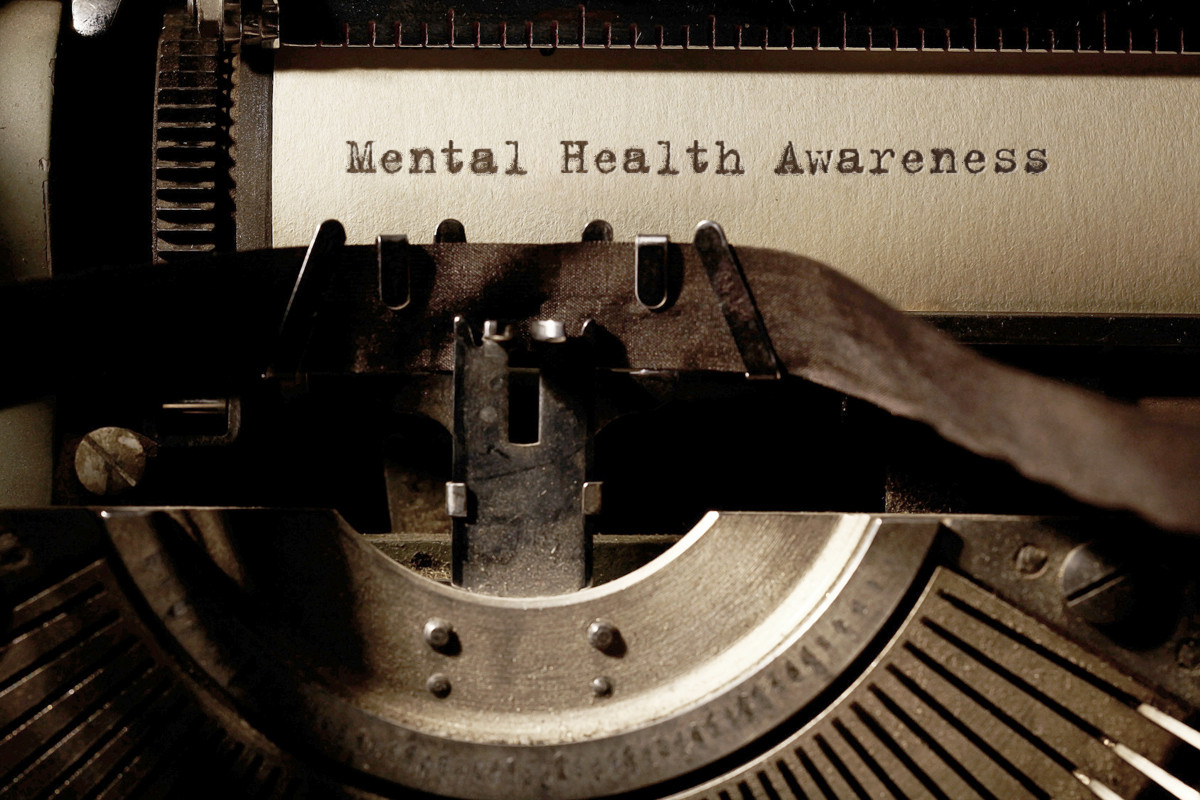
Brown & Cream Image Depicting Mental Health Awareness Text On Typewriter Paper. Image Created by PhotoFunia.com

The Link Between Mental Health, Poverty, Crime and Homelessness

The link between mental health, poverty, rising crime, and homelessness underscores the failure of the current social safety net. When prison becomes a desirable refuge, it signals a need for systemic reform. Investing in housing, education, and mental health services not only reduces crime but also restores dignity and opportunity for those on the margins. Addressing root causes, rather than punishing symptoms, is the path to a safer and more equitable society.