Depression, Trauma, and the Reality Behind the Smile
An in-depth look at depression, trauma, and PIP assessments, exploring why outward behaviour does not reflect mental health and how self-help strategies support recovery.

DISABLED ENTREPRENEUR – DISABILITY UK
Disability UK Online Health Journal – All In One Business In A Box – Forum – Business Directory – Useful Resources – Health – Human Rights – Politics
DISABLED ENTREPRENEUR – DISABILITY UK
Disability UK Online Health Journal – All In One Business In A Box – Forum – Business Directory – Useful Resources – Health – Human Rights – Politics
Browsing Category
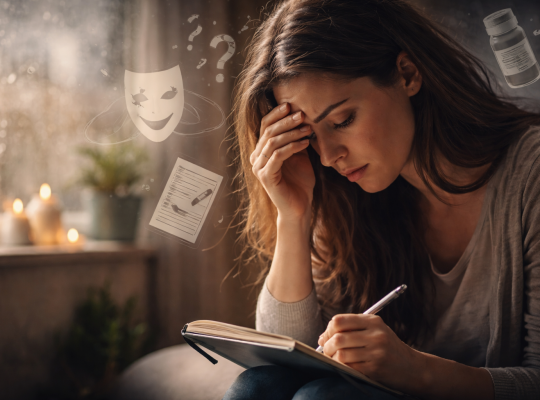
An in-depth look at depression, trauma, and PIP assessments, exploring why outward behaviour does not reflect mental health and how self-help strategies support recovery.
What depression really feels like when money runs out: the hidden impact of sanctions, unemployment, and trauma, plus practical steps to help people slowly rebuild hope.

A personal reflection on taking things for granted, regret, grief, empty nest syndrome, and the connection to mental health—highlighting how loss teaches us the value of people and moments.
A first-person account of mental-health stigma within a traditional rural Polish family: why it’s hard to explain mental health to older generations, how judgement impacts wellbeing, and what the statistics say about stigma and discrimination in Poland.
People with OCD don’t “choose” their thoughts or compulsions. Telling someone to “just get over it” is dismissive, harmful, and perpetuates ableist attitudes. If someone has lived with OCD for decades and tried all known interventions, Cognitive Behavioural Therapy (CBT), Exposure and Response Prevention (ERP), medication, counseling, and even alternative therapies such as hypnosis, it is unjust to boil their suffering down to a fad.

Labour is facing the prospect of another mass rebellion from its own MPs as concerns mount over proposed reforms to the universal credit system. The focus of unease is on changes to the assessment process for disability benefits, particularly the health element of universal credit (UC).

Through tort law, individuals and organisations, councils included, can be sued for damages provided there’s evidence of negligence or intentional wrongdoing. Compensation is available and varies depending on the severity of harm and supporting evidence.

Antidepressant use has soared over the past two decades, with the UK alone seeing a doubling in prescriptions since 2008. While medication can be life-changing for some, concerns are growing around its overprescription, especially for patients who may not need long-term pharmacological treatment. From the reluctance of GPs to offer fast-acting relief to the alarming trend of children being medicated, it’s time to ask, are we medicating emotion at the expense of wellbeing?

Loneliness is more than just a feeling; it’s a silent epidemic affecting millions of elderly people in the UK and around the world. Behind closed doors, many older individuals live in silence, unseen and unheard, with devastating consequences. As someone who experienced the heartbreaking loss of a parent who lived alone, I want to share my personal story and raise awareness about the hidden dangers of isolation in older adults.

Trauma is not one-size-fits-all. For some, it heals. For others, it becomes their lifelong companion. It’s not about being weak, it’s about having seen and felt too much. It’s about carrying a weight that no one else can see.