Showing 143 Result(s)
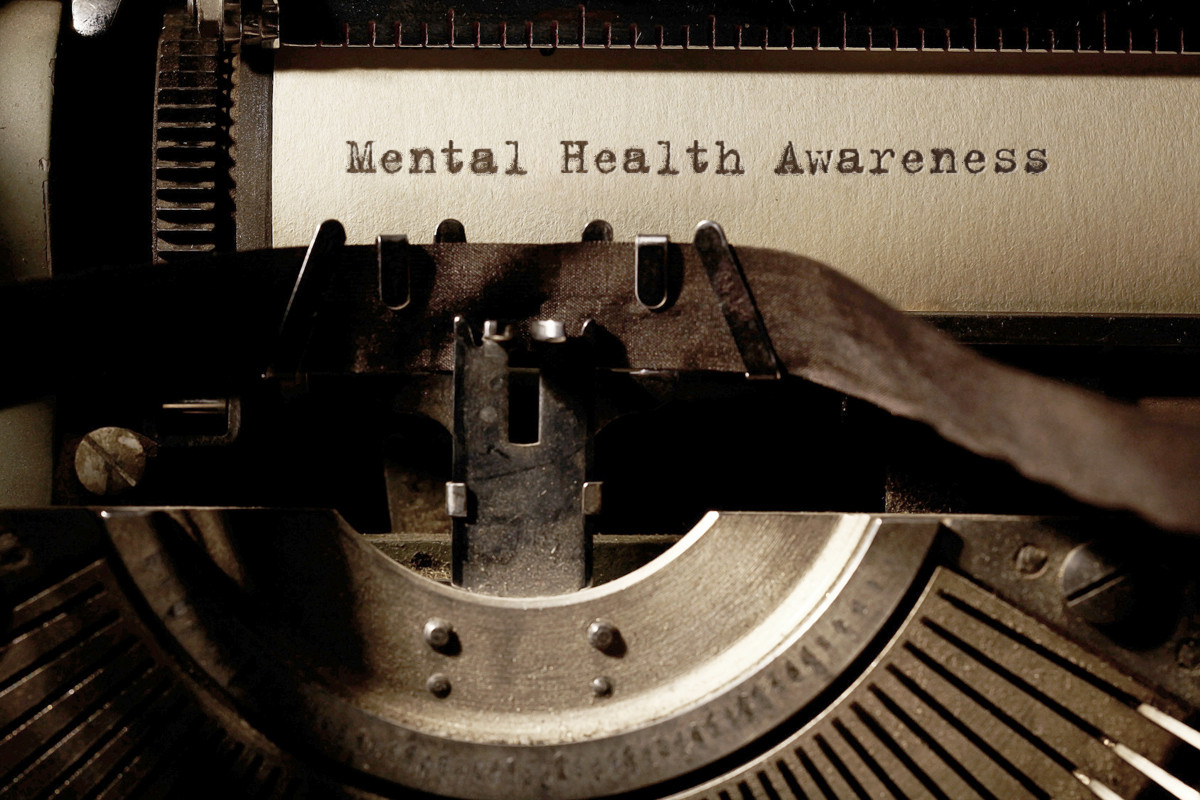
Brown & Cream Image Depicting Mental Health Awareness Text On Typewriter Paper. Image Created by PhotoFunia.com

The Impact of Mental Health on Suicidal Thoughts and the Risks of Financial Sanctions

Mental health conditions significantly elevate the risk of suicidal ideation. Studies reveal that individuals suffering from mental health disorders are disproportionately affected, with nearly 90% of those who die by suicide having a diagnosable mental health condition at the time of their death. In the UK, this alarming reality intersects with socio-economic pressures, such as financial sanctions imposed by Universal Credit, which may exacerbate feelings of hopelessness and desperation for those already struggling with their mental health​.

Disabled Entrepreneur Logo

From Disability to Business Owner

From managing in-home care challenges to launching innovative startups, entrepreneurs with physical disabilities are transforming their lives and communities. Their journeys remind us that resilience, determination, and creativity can overcome even the most daunting obstacles.

Coercion into Employment for Disabled and Self-Employed

Governments sometimes employ coercive measures to ensure that citizens are actively seeking work, increasing their working hours, or attending mandatory appointments—sometimes without considering an individual’s personal circumstances, including disability or self-employment. Such coercion can often infringe on a number of human rights and statutory protections.

The Emotional Impact of Dementia on Families

The emotional impact of dementia on families is profound and multifaceted. It is essential for family members to recognise and address their own emotional needs while providing support for their loved ones. By navigating the journey with compassion, understanding, and open communication, families can find ways to cope with the challenges of dementia and cherish meaningful moments with their loved ones.

Taxpayer Survey: Re PIP Payments

The wide array of essential expenses that PIP covers for people with disabilities illustrates the importance of maintaining cash payments. A voucher-based system would struggle to address the individualized needs associated with disability-related costs, from specialized medical devices to unique dietary requirements.

Universal Credit: Cutting Costs, Not Supporting People

Universal Credit should be a lifeline for those facing financial hardship, but its punitive approach often creates additional struggles rather than relief. By knowing your rights, documenting your interactions, challenging unfair decisions, and raising awareness, you can defend yourself and join the movement for a welfare system that prioritizes the dignity and rights of its claimants over fiscal cuts Change will require a collective effort. But with ongoing advocacy and persistence, we can strive for a fairer welfare system that respects the diverse needs and rights of all claimants.

Why the UK Government Should Appoint a Full-Time Disability Minister

The lack of a full-time Disability Minister in England is a missed opportunity to address the growing challenges faced by disabled individuals across the country. While Wales, Scotland, and Northern Ireland each have systems in place to support disabled people, the absence of a dedicated minister in England sends a message that disability rights are not a top priority.