The Proposal: Digital ID in the UK
Balancing Security, Privacy, and Accessibility in the UK’s New Digital ID System In September 2025, the UK government announced a plan to introduce a mandatory digital ID for citizens and …

DISABLED ENTREPRENEUR – DISABILITY UK
Disability UK Online Health Journal – All In One Business In A Box – Forum – Business Directory – Useful Resources – Health – Human Rights – Politics
DISABLED ENTREPRENEUR – DISABILITY UK
Disability UK Online Health Journal – All In One Business In A Box – Forum – Business Directory – Useful Resources – Health – Human Rights – Politics
Browsing Category

Balancing Security, Privacy, and Accessibility in the UK’s New Digital ID System In September 2025, the UK government announced a plan to introduce a mandatory digital ID for citizens and …

The Department for Work and Pensions (DWP) has appointed disability rights expert Zara Todd to chair the new Independent Disability Advisory Panel. The panel is billed as a way to “listen to, learn from, and collaborate with” Deaf and disabled people and people with long-term health conditions. It will include up to 10 members and advise across health and disability policy.

With the government pushing people who are unwell or disabled back into work, it only makes sense to consider creating your own business if suitable employment cannot be found. Job hunting often comes with pitfalls; employers can pick and choose, leaving many applicants overlooked despite their skills and determination. By becoming self-employed, you step into the role of your own boss, giving you the freedom to adapt your business around your disability, rather than struggling to fit into rigid workplace expectations.

Platforms like DisabledEntrepreneur.uk – DisabilityUK.co.uk and DisabilityUK.org have become critical resources for individuals genuinely needing help. These websites, serve as a beacon of support for those navigating the often-complicated world of disability rights, particularly concerning PIP (Personal Independence Payment) assessments.

Job hunting and running a business share a common struggle; despite effort, visibility, and determination, opportunities remain scarce. The case of Joe Emery highlights the reality that many people face: endless applications, countless rejections, and a system that seems blind to the human toll of unemployment. Businesses, particularly disabled entrepreneurs, mirror this struggle, working tirelessly yet seeing minimal returns.

Employing staff as a Disabled Entrepreneur Freelancer or Sole Trader is entirely possible and a powerful way to grow your business. By following these steps, registering as an employer, writing contracts, setting up payroll, issuing payslips, and fulfilling your legal obligations, you can build a reliable team to deliver contracts successfully. Whether you use fixed contracts or flexible zero-hours agreements, staying compliant ensures professionalism, protects your business, and builds trust with your employees.
Disability rights campaigner brings lived experience and expertise to shape future UK policy The UK Government has appointed disability rights expert Zara Todd to lead a newly established panel tasked …
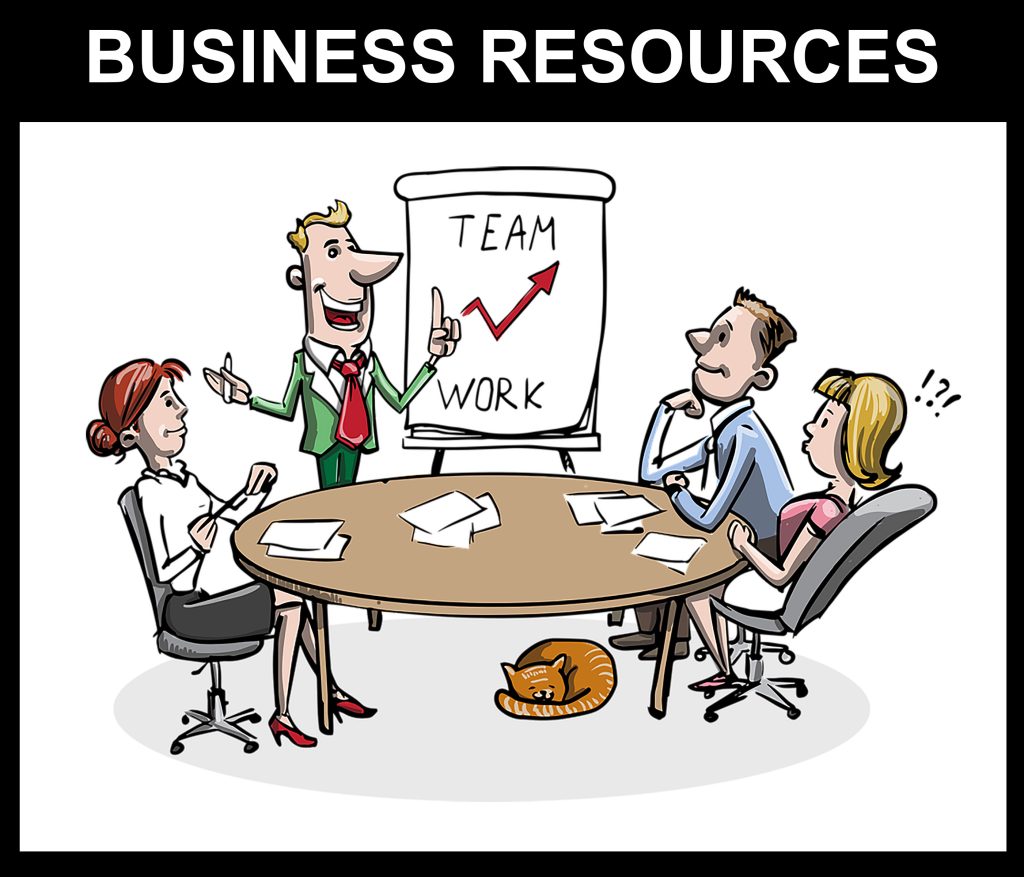
Disabled entrepreneurs bring resilience, creativity, and innovation to both employment and self-employment. By developing core skills—ranging from digital literacy and communication to financial management and leadership- disabled individuals can thrive in today’s competitive economy. With the right support, training, and opportunities, disabled entrepreneurs can transform barriers into stepping stones. At Disabled Entrepreneur UK, we are committed to providing that support every step of the way.

Education is supposed to prepare students for the real world, but too often, schools fail to teach the very skills that young people need to thrive after graduation. Instead, the curriculum is filled with outdated or impractical subjects that do little to equip students for adulthood.

Attending an internal interview is a legitimate part of your employment and, in most cases, should not result in a loss of pay or forced time off in lieu. Unless your contract specifically allows for it, any deduction may be unlawful. If this happens, you have the right to challenge it and, if necessary, seek legal redress.