Income Protection Insurance (IPI) Guide
Income Protection Insurance explained: what it covers, what it excludes, why pre-existing conditions are often ineligible, and how the system can disadvantage disabled people.
DISABLED ENTREPRENEUR – DISABILITY UK
Disability UK Online Health Journal – All In One Business In A Box – Forum – Business Directory – Useful Resources – Health – Human Rights – Politics
DISABLED ENTREPRENEUR – DISABILITY UK
Disability UK Online Health Journal – All In One Business In A Box – Forum – Business Directory – Useful Resources – Health – Human Rights – Politics
Browsing Category

Income Protection Insurance explained: what it covers, what it excludes, why pre-existing conditions are often ineligible, and how the system can disadvantage disabled people.

What depression really feels like when money runs out: the hidden impact of sanctions, unemployment, and trauma, plus practical steps to help people slowly rebuild hope.

Building a sustainable business as a disabled founder requires strategic planning, financial clarity, and a strong understanding of tax responsibilities. This guide explores key tax considerations for disabled entrepreneurs, including allowable expenses, self‑employment rules, accessibility‑related deductions, and the impact of disability benefits on business income. By understanding how tax frameworks interact with sustainable growth, disabled founders can make informed decisions, protect their financial stability, and build resilient, future‑proof enterprises.

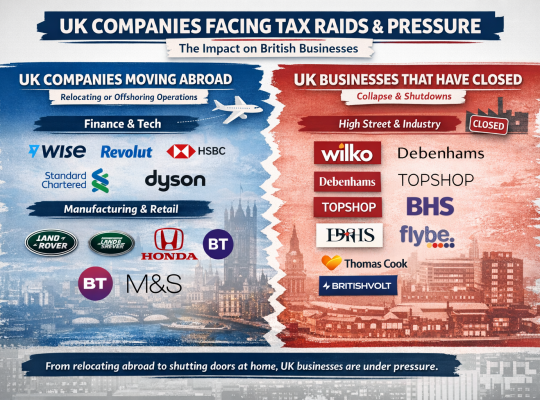
Securing adequate financing? It’s honestly one of the toughest challenges you’ll face when building a successful business. Whether you’re launching your first startup or pushing an established company toward its next growth phase, financial decisions come at you fast, and they matter more than you might think. The truth is, plenty of business owners stumble over preventable mistakes during the financing process, creating headaches that range from mild setbacks to serious threats to their company’s future.

Labour is facing the prospect of another mass rebellion from its own MPs as concerns mount over proposed reforms to the universal credit system. The focus of unease is on changes to the assessment process for disability benefits, particularly the health element of universal credit (UC).

Reducing welfare payments in the name of fiscal savings directly undermines human rights protections meant to ensure dignity, equality, and security for all. When economic decisions neglect the real-world consequences for the most vulnerable, they risk violating the Human Rights Act, the Equality Act, and international human rights standards. Rather than shrinking support, the government should focus on policies that uplift all members of society and reinforce fundamental rights.

Britain has seen a notable rise in the number of individuals claiming long-term sickness benefits, according to the latest data from the UK Office for National Statistics (ONS) over 2.5 million people are now classified as economically inactive due to long-term illness, a record high.

The definition of disability should never be reduced to a checklist of tasks. The ability to wash, dress, manage finances, or socialize does not negate the presence of a disability. A person’s disability is defined by the challenges they face in navigating the world, not by their occasional ability to perform basic tasks.

If only we could erase bad memories and achieve financial stability for the rest of our lives, our mental health would no doubt improve. A reflection on trauma, OCD, MS, and the importance of stability for wellbeing

Education is supposed to prepare students for the real world, but too often, schools fail to teach the very skills that young people need to thrive after graduation. Instead, the curriculum is filled with outdated or impractical subjects that do little to equip students for adulthood.