Showing 38 Result(s)

Harnassing AI For The Disabled

Harnessing AI for the disabled isn’t just about integrating technology—it’s about transforming lives. From assisting with communication and mobility to improving mental health and independence, AI offers endless possibilities for those with disabilities.
Renal Tubular Acidosis PIP Eligibility

Renal Tubular Acidosis (RTA) is a complex kidney disorder that disrupts the body’s acid-base balance, leading to a range of health issues. People with RTA often face significant daily challenges, and for those seeking financial support and assistance, such as through the Personal Independence Payment (PIP) in the UK, understanding how to demonstrate their need is crucial.

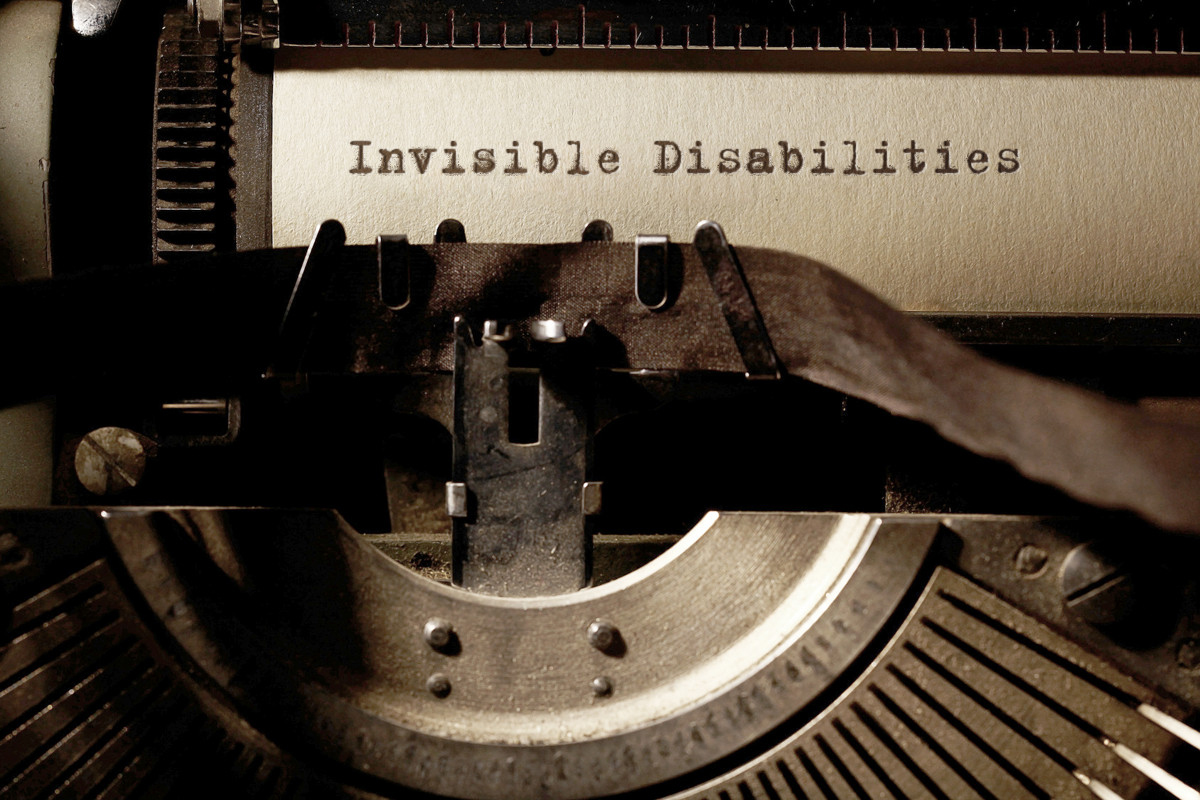
Image Description: Brown & Cream Coloured Image Depicting a Typewriter With Wording "Invisible Disabilities" Typed On Paper. Image Credit: PhotoFunia.com Category: Vintage Typewriter.

Wearable Pain Detectors

Wearable Pain Detector Technology. In recent years, advancements in wearable technology have led to the development of devices designed to monitor and detect pain levels in real time.

Health Warning: Sulphur Dioxide Exposure (Acid Rain)

The spread of sulphur dioxide from volcanic eruptions serves as a stark reminder of the interconnectedness between our health and the environment. It is crucial for both individuals and authorities to monitor air quality and take proactive steps to mitigate the risks posed by such environmental hazards.

NHS Faces Major Disruption as GPs Threaten Strike Action

GP doctors in the UK are well-compensated, with average salaries ranging from £60,000 to £100,000 annually, depending on experience and location. Despite this significant remuneration, GPs could benefit from using a GPAI app to better organize their workloads, ensuring more efficient and patient-centered care.

Understanding the Difference Between a Skin Tag and a Mole

A definitive diagnosis cannot be made through a photograph or a phone consultation. A dermatoscope is an essential tool used by dermatologists to examine skin lesions closely. This instrument allows healthcare providers to observe the intricate details of the skin, such as color patterns and microstructures, which are not visible to the naked eye.

How to Create a Health App Guide

Creating a health app involves careful planning, design, development, and ongoing maintenance. By following these steps, you can develop an app that not only meets users’ needs but also contributes to their overall well-being. Remember, the key to a successful health app lies in its ability to provide value, maintain user engagement, and adapt to evolving health trends and technologies.