How to Find the Right Business Partner (Without Risking Your Business)
Learn how to find the right business partner without risking your business. Discover key strategies, red flags, and practical tips for start-ups and entrepreneurs in the UK.

DISABLED ENTREPRENEUR – DISABILITY UK
Disability UK Online Health Journal – All In One Business In A Box – Forum – Business Directory – Useful Resources – Health – Human Rights – Politics
DISABLED ENTREPRENEUR – DISABILITY UK
Disability UK Online Health Journal – All In One Business In A Box – Forum – Business Directory – Useful Resources – Health – Human Rights – Politics
Browsing Category
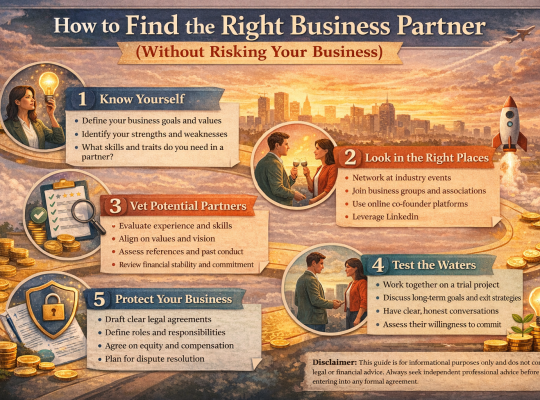
Learn how to find the right business partner without risking your business. Discover key strategies, red flags, and practical tips for start-ups and entrepreneurs in the UK.

A complete UK guide to angel investment for start-ups and sole traders, including SEIS/EIS tax relief, eligibility rules, success rates, and alternative funding options.

Entrepreneurship is the act of building and running a business around a clear value you offer to others. For disabled aspiring entrepreneurs, deciding what kind of business is the right fit isn’t about copying someone else’s success; it’s about aligning your strengths, limits, resources, and goals in a way that’s sustainable and empowering. Consider helping us build a charity www.disabilityuk.org we have done all the hard work and need skilled trustees and funding.

Securing adequate financing? It’s honestly one of the toughest challenges you’ll face when building a successful business. Whether you’re launching your first startup or pushing an established company toward its next growth phase, financial decisions come at you fast, and they matter more than you might think. The truth is, plenty of business owners stumble over preventable mistakes during the financing process, creating headaches that range from mild setbacks to serious threats to their company’s future.
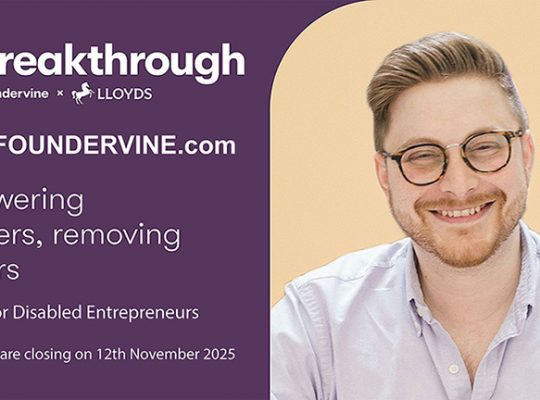
Foundervine, a leading social enterprise championing inclusive entrepreneurship, has joined forces with Lloyds Banking Group to launch Breakthrough, an eight-week growth accelerator designed exclusively for disabled and neurodivergent founders.

Starting an e-commerce business can be a rewarding venture, offering flexibility, independence, and the opportunity to reach a global market. For disabled entrepreneurs, the digital marketplace presents unique advantages, allowing for a business model that can accommodate various needs and capabilities.

Finding investors is not just about asking for money; it’s about building relationships, offering value, and asking for advice. Start by crafting a solid business plan, network on the right platforms, and collaborate with University Professors to gain expertise and credibility. When approaching investors, focus on building trust and demonstrating your commitment to growing your business. Remember, the right investors will not only provide financial support but will also help guide your business towards success.

Job hunting and running a business share a common struggle; despite effort, visibility, and determination, opportunities remain scarce. The case of Joe Emery highlights the reality that many people face: endless applications, countless rejections, and a system that seems blind to the human toll of unemployment. Businesses, particularly disabled entrepreneurs, mirror this struggle, working tirelessly yet seeing minimal returns.

There has never been a more empowering time to start a business from scratch, especially if you are long-term unemployed, disabled, or seeking independence from a system that doesn’t always serve you. With government policy actively encouraging people to return to work, including those who face barriers due to disability or health, starting your own business can be a powerful, self-directed solution. You gain not only control over your income and routine but also protection from benefit sanctions, while still receiving financial support as you build your dream from the ground up.

Disability and poverty are deeply intertwined, and when they co-exist, the barriers multiply. Families with disabled children are more likely to experience financial hardship, social exclusion, and mental health challenges, yet they often receive the least support. According to recent research, including findings from The Childhood Trust, the cost of living crisis has placed even more strain on already stretched services, making it harder for social workers to meet the needs of families with disabled children.