Building a More Disability-Inclusive Wales
How Wales can improve disability inclusion through accessible workplaces, remote work, inclusive startups, and community initiatives.

DISABLED ENTREPRENEUR – DISABILITY UK
Disability UK Online Health Journal – All In One Business In A Box – Forum – Business Directory – Useful Resources – Health – Human Rights – Politics
DISABLED ENTREPRENEUR – DISABILITY UK
Disability UK Online Health Journal – All In One Business In A Box – Forum – Business Directory – Useful Resources – Health – Human Rights – Politics
Browsing Category

How Wales can improve disability inclusion through accessible workplaces, remote work, inclusive startups, and community initiatives.

Income Protection Insurance explained: what it covers, what it excludes, why pre-existing conditions are often ineligible, and how the system can disadvantage disabled people.

Are annual prescription reviews mandatory? Learn your rights across the UK, including consent, blood tests, mental health medication, self-isolation, and GP accountability.

Exploring UK disability employment reforms, the Disability Confident scheme, and inclusive models to help disabled and long-term sick people return to work, including employment, entrepreneurship, and community support through DisabilityUK.org.

Discover how the Welsh language, heritage, and wellbeing can shape future generations in Wales, and how DisabilityUK.org and DisabledEntrepreneur.uk are working with communities and local businesses to build inclusive, sustainable opportunities for all.

Growing concern over the Mental Health Act 2025 as disabled people fear detention, discrimination, and human rights breaches. Learn what’s at stake and how communities are fighting back.

A formal appeal has been lodged after NICE withdrew access to Tecartus, a pioneering CAR-T cancer therapy, from NHS services in England and Wales. Learn why this decision matters for patients with rare lymphoma.
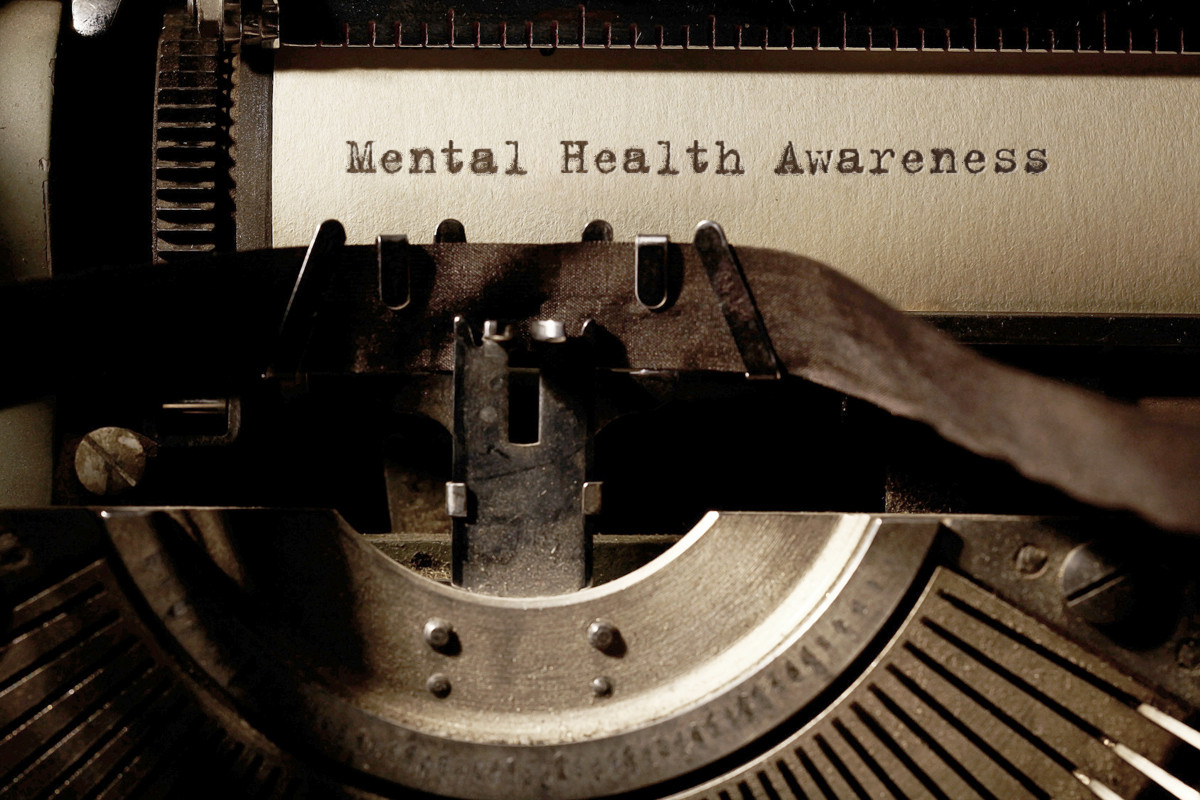
Mental health does not discriminate. A lived-experience perspective on anxiety, depression, OCD, trauma, stigma, and why careless media rhetoric harms vulnerable communities seeking support and hope.

Learn the key physical security, technical safeguards and compliance requirements for building SCIFs (secure rooms) for classified information, including accessibility considerations for disabled personnel.

A proposed DWP benefits payment card to replace cash could severely restrict disabled people’s freedom, autonomy, and access to essential disability-related living costs. This article explains why the proposal risks reinforcing disability discrimination and stigma.