Optic Neuritis: Understanding Vision Loss, Recovery, and Hope for the Future
Optic neuritis explained: symptoms, treatment, recovery, and hope. Learn how to support someone with vision loss and explore future treatments like bionic eyes.

DISABLED ENTREPRENEUR – DISABILITY UK
Disability UK Online Health Journal – All In One Business In A Box – Forum – Business Directory – Useful Resources – Health – Human Rights – Politics
DISABLED ENTREPRENEUR – DISABILITY UK
Disability UK Online Health Journal – All In One Business In A Box – Forum – Business Directory – Useful Resources – Health – Human Rights – Politics
Browsing Category
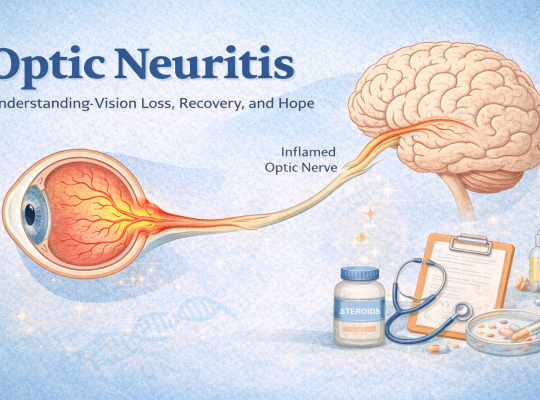
Optic neuritis explained: symptoms, treatment, recovery, and hope. Learn how to support someone with vision loss and explore future treatments like bionic eyes.
Invisible disabilities deserve recognition, understanding, and respect. Ableist attitudes rooted in ignorance and dismissiveness create barriers that can be just as disabling as the condition itself. Instead of questioning someone’s reality or minimising their struggles, we should listen, believe, and support. The lived experiences of those with invisible disabilities, like the editor who has battled OCD for decades, remind us that what cannot be seen can still have profound impact. True inclusivity means dismantling ableism and embracing empathy.

How one woman’s journey through grief and hardship led to the creation of two powerful charities – and why her story continues to inspire global change. When we think of JK Rowling, most picture the global Harry Potter phenomenon. But behind the fame is a woman who once lived on state benefits, writing in cafes while caring for a young child as a single mother battling grief after losing her mother to Multiple Sclerosis.

The human microbiome refers to the trillions of microorganisms—bacteria, viruses, fungi, and protozoa—that live on and inside the body. The gut microbiome, in particular, plays a crucial role in digestion, immune function, and even brain chemistry. Research is rapidly uncovering how this “second brain” in the gut communicates with our actual brain and influences physical and mental well-being.

No two disabled people are the same, and no two days are alike—yet current disability assessments fail to recognise this vital reality. Understanding Disability Fluctuations and the Need for Reform in PIP Assessments

Feeling tired, getting sick often, or dealing with low energy can slow down the body. One reason for this is the build-up of waste from processed food, pollution, and stress. When the body carries too much of this waste, it starts to work harder than it should.

Chronic pain and fatigue are two of the most debilitating symptoms for those living with autoimmune disorders like Multiple Sclerosis (MS). These conditions often lead to invisible disabilities, which can make it difficult for sufferers to explain or express their needs. People may not always realize the extent of the physical and emotional toll these symptoms take, particularly when they flare up in such a way that daily activities become increasingly difficult or dangerous.
Led by a team from Ludwig Maximilian University of Munich, researchers discovered that certain gut bacteria are significantly more common in people with MS—and could be directly linked to triggering the disease.
One of the most significant contributors to declining mental health is trauma. Trauma can take many forms, and its impact can be long-lasting and devastating.

Chronic Fatigue Syndrome (CFS), also known as Myalgic Encephalomyelitis (ME), is a debilitating condition characterised by extreme and persistent fatigue that does not improve with rest. This condition affects individuals physically, mentally, and emotionally, significantly impacting their quality of life. For many, it can lead to a level of disability that makes them eligible for Personal Independence Payment (PIP) in the UK.