When Depression Meets Poverty: The Silent Collapse No One Sees
What depression really feels like when money runs out: the hidden impact of sanctions, unemployment, and trauma, plus practical steps to help people slowly rebuild hope.

DISABLED ENTREPRENEUR – DISABILITY UK
Disability UK Online Health Journal – All In One Business In A Box – Forum – Business Directory – Useful Resources – Health – Human Rights – Politics
DISABLED ENTREPRENEUR – DISABILITY UK
Disability UK Online Health Journal – All In One Business In A Box – Forum – Business Directory – Useful Resources – Health – Human Rights – Politics
Browsing Category
What depression really feels like when money runs out: the hidden impact of sanctions, unemployment, and trauma, plus practical steps to help people slowly rebuild hope.
An honest, first-person article on relationship breakups, unrequited love, divorce, and healing, offering practical guidance on what to do and what not to do when your heart is broken.

A personal reflection on taking things for granted, regret, grief, empty nest syndrome, and the connection to mental health—highlighting how loss teaches us the value of people and moments.
A first-person account of mental-health stigma within a traditional rural Polish family: why it’s hard to explain mental health to older generations, how judgement impacts wellbeing, and what the statistics say about stigma and discrimination in Poland.
The Hall of Mirrors concept offers a compelling way to think about life, death, and consciousness within a multiverse framework. Rather than viewing the universe as singular and final, this perspective suggests the existence of multiple parallel universes emerging from identical initial conditions. At the moment of divergence, these universes are indistinguishable, yet over time they evolve independently due to minute quantum-level variations. Each universe becomes a near-reflection of the others, similar, but never exactly the same. Within this framework, death need not be understood as an absolute ending, but as a transition between states of existence.

Trauma can change a person’s world in an instant. Whether it stems from domestic violence, childhood abuse, loss, betrayal, or a sudden life-altering event, trauma leaves emotional imprints that can last a lifetime. It doesn’t simply fade away with time, instead, it lingers in the subconscious, replaying through intrusive memories, flashbacks, or emotional triggers that can feel impossible to escape.

The Law of Attraction is not magic; it’s a practice of directing your thoughts, emotions, and actions to align with what you desire. Combined with the science of neuroplasticity, it shows us that we can literally rewire our brains to embrace abundance, gratitude, and positivity. By letting go of negative cycles, using affirmations, and practising gratitude, even those facing hardship can begin to attract opportunities for growth and healing. As Napoleon Hill, Bob Procter, and many others have reminded us, wealth, financial, emotional, or spiritual, begins in the mind.
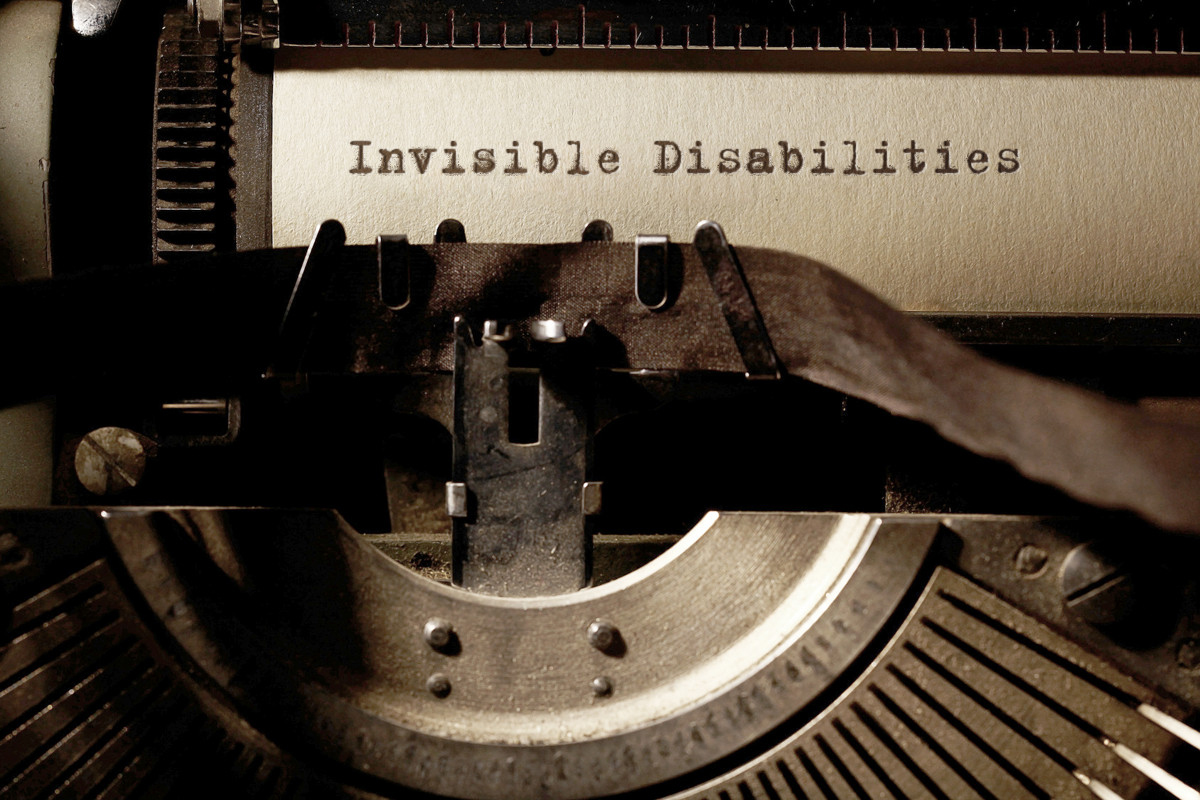
Invisible disabilities deserve recognition, understanding, and respect. Ableist attitudes rooted in ignorance and dismissiveness create barriers that can be just as disabling as the condition itself. Instead of questioning someone’s reality or minimising their struggles, we should listen, believe, and support. The lived experiences of those with invisible disabilities, like the editor who has battled OCD for decades, remind us that what cannot be seen can still have profound impact. True inclusivity means dismantling ableism and embracing empathy.
Trauma leaves lasting wounds, but numbing pain with drugs and alcohol only deepens the suffering. Although self-medication may seem like an escape, it damages the body and creates new chains of dependency. The path to healing is not easy, but it is possible. With therapy, support, and healthier coping mechanisms, people can face their fears, overcome their inner demons, and take back control of their lives.

For centuries, humanity has been fascinated with the idea of immortality, whether spiritual, biological, or digital. With modern advancements in neuroscience, artificial intelligence, and quantum theory, the question has evolved from myth to possibility: Could we one day upload our consciousness?