Showing 104 Result(s)
A calming image of the ocean with stones stacked upon each other. 

Shaping Your Reality Through Thought and Gratitude

The Law of Attraction is not magic; it’s a practice of directing your thoughts, emotions, and actions to align with what you desire. Combined with the science of neuroplasticity, it shows us that we can literally rewire our brains to embrace abundance, gratitude, and positivity. By letting go of negative cycles, using affirmations, and practising gratitude, even those facing hardship can begin to attract opportunities for growth and healing. As Napoleon Hill, Bob Procter, and many others have reminded us, wealth, financial, emotional, or spiritual, begins in the mind.

Image Description: Brown & Cream Coloured Image Depicting a Typewriter With Wording "Trauma & Survival" Typed On Paper. Image Credit: PhotoFunia.com Category: Vintage Typewriter.

Facing Inner Demons: Why Trauma Survivors Turn to Drugs and Alcohol

Trauma leaves lasting wounds, but numbing pain with drugs and alcohol only deepens the suffering. Although self-medication may seem like an escape, it damages the body and creates new chains of dependency. The path to healing is not easy, but it is possible. With therapy, support, and healthier coping mechanisms, people can face their fears, overcome their inner demons, and take back control of their lives.

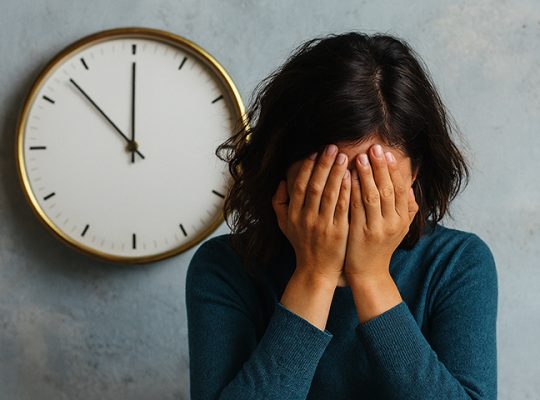
Image Credit: generated by Microsoft Copilot (2025) “This image was created using AI tools to visually represent emotional overwhelm and time pressure in the context of Trauma, Memory Loss and Healing” Image Description: “A person sitting calmly with a clock in the background.”

Can Forgetting Compulsions Help Heal OCD and Trauma?

Stress can play a major role in memory lapses, especially for people living with OCD and trauma. When the mind is overwhelmed by anxiety, daily pressures, or too many competing tasks, it can become harder to focus on intrusive thoughts or compulsions. Preoccupation with other responsibilities may naturally push the urge into the background, allowing it to fade over time. In this way, stress and distraction, although challenging, can sometimes disrupt the cycle of OCD by creating moments where the compulsion is forgotten.

Motivation & Support Wording On Paper On a Typewriter. Image Credit: PhotoFunia.com Vintage

Supporting the Disabled Community Through Empowerment

Platforms like DisabledEntrepreneur.uk – DisabilityUK.co.uk and DisabilityUK.org have become critical resources for individuals genuinely needing help. These websites, serve as a beacon of support for those navigating the often-complicated world of disability rights, particularly concerning PIP (Personal Independence Payment) assessments.

Image Description: Brown & Cream Coloured Image Depicting a Typewriter With Wording "Caffeine Addiction". Typed On Paper. Image Credit: PhotoFunia.com Category: Vintage Typewriter.

The Buzz Behind Energy Drinks: Can You Get Addicted?

Energy drinks have become a go-to choice for many people seeking a quick boost, whether it’s to power through a late-night study session, a work shift, or a gym workout. Brands like Red Bull, Monster, and Rockstar are now household names. But while they promise energy and focus, they also carry risks that can’t be ignored. So, can you become addicted to energy drinks? The short answer: yes.

Image Description: Brown & Cream Coloured Image Depicting a Typewriter With Wording "Trichotillomania & PIP". Typed On Paper. Image Credit: PhotoFunia.com Category: Vintage Typewriter.

Trichotillomania and PIP Eligibility

Trichotillomania, also known as Hair-Pulling Disorder, is a serious mental health condition classified under Obsessive-Compulsive and Related Disorders in the DSM-5. It involves repetitive hair-pulling that leads to noticeable hair loss, emotional distress, and social or occupational impairment.

Image Description: Brown & Cream Coloured Image Depicting a Typewriter With Wording "Antidepressants". Typed On Paper. Image Credit: PhotoFunia.com Category: Vintage Typewriter.

Overprescribing Anti-Depressants: The Good, The Bad and the Ugly

Antidepressant use has soared over the past two decades, with the UK alone seeing a doubling in prescriptions since 2008. While medication can be life-changing for some, concerns are growing around its overprescription, especially for patients who may not need long-term pharmacological treatment. From the reluctance of GPs to offer fast-acting relief to the alarming trend of children being medicated, it’s time to ask, are we medicating emotion at the expense of wellbeing?