Disclaimer: This article is provided for informational and educational purposes only. It is intended to support learning and awareness for both able-bodied and disabled students and does not constitute legal, medical, academic, or professional advice. While every effort has been made to ensure the information is accurate and inclusive, readers are encouraged to seek appropriate professional guidance or institutional support where individual circumstances require it.
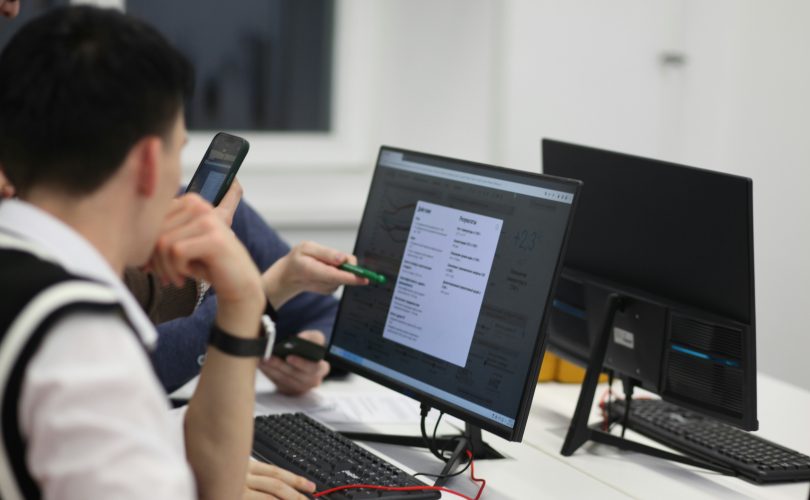
Photo by Anastassia Anufrieva on Unsplash
The Five Biggest Hurdles for Teachers in Remote Education
Online learning has become a key part of today’s education, giving students around the world more options and easier access. But while virtual classrooms create new chances, they also bring unique problems for teachers. Educators need to adapt to new tech, keep students interested, and make sure work is honest, all while handling the tricky parts of teaching outside a normal classroom. To create plans that help both teachers and students in this changing world of education, we must understand these problems.
Maintaining Student Engagement
Keeping students interested is one of the biggest challenges in online learning. Teachers often find it hard to grab and keep attention when there’s no actual classroom. Things at home can distract students; there’s less face-to-face talk, and not having classmates around can make students less motivated. To fix this, teachers need to use hands-on teaching tricks like live voting, small group chats, and different types of media. To get students involved, teachers have to be creative and flexible, making sure students take part instead of just listening.
Managing Technology and Accessibility
Tech powers online classes, but it can also be a pain. Teachers run into problems when kids don’t have good internet, up-to-date devices, or know-how with digital tools. When tech hiccups happen during lessons, it throws off teaching and makes learning harder. Teachers often need to give extra help to students to use tools and fix problems. Making sure everyone has the same access to tech is key, because differences can make the gap bigger between kids who do well with online learning and those who don’t.
Keeping Order in Class
Keeping students in line online is a whole different ball game compared to a real classroom. Teachers need to figure out how to keep an eye on who’s taking part, cut down on things that pull kids off track, and get everyone talking on the internet. Classroom management software can give teachers a hand in watching what students are up to, checking who’s shown up, and setting up a good place for learning. But not being there in person makes it tough to lay down the law and stay in charge. Teachers have to walk a fine line between being easy-going and holding kids accountable, creating an online space where students feel backed up but also know they need to step up.
Making Sure Everyone’s on the Same Page
Talking to each other poses another hurdle in distance education. In regular classrooms, instructors pick up on body language and off-the-cuff exchanges to check understanding and connect with students. These signals are scarce online, making it tougher to spot when learners are lost or tuned out. Mix-ups happen more often when directions come via text or email. Teachers need to use clear, steady ways to keep in touch, tapping into various tools like video chats, forums, and quick messages to stay linked with students. Setting up strong lines of communication helps learners feel guided and backed up.
Preserving Academic Integrity
Online classes bring new challenges to keeping schoolwork honest. When tests and homework are done on the internet, teachers struggle to stop copying, cheating, or working together when it’s not allowed. Watching over tests and assignments needs fresh ideas, like mixing up question settings, setting time limits, and using software to catch plagiarism. But it’s not just about making rules. Teachers also need to build a classroom where being honest matters. They should help students see why learning on their own is important. Teaching integrity isn’t just about following rules; it’s about helping students develop good habits they’ll use even after school.
Conclusion
Distance learning has changed the face of education, but it’s also brought up issues that require teachers to be tough and come up with new ideas. Teachers have to deal with a lot in the online world, keeping students interested, handling tech stuff, setting rules, making sure everyone’s talking to each other, and stopping cheating. By seeing these problems and finding ways to fix them, teachers can make online classes that help students learn. The hurdles are big, but they also give us a chance to think about how we teach and build systems that can change, include everyone, and are ready for what’s coming next.


Michelle Quill is a freelance writer who offers SEO Content writing and blogging services. She specializes in health, business, and technology niches. In addition to writing, she loves traveling and writing journey itineraries.