Contractual Law: The Invisible Framework Governing Everyday Life
A comprehensive guide to contractual law in the UK, explaining its importance in business and everyday life, with examples of contracts, consumer rights, and legal support resources.

DISABLED ENTREPRENEUR – DISABILITY UK
Disability UK Online Health Journal – All In One Business In A Box – Forum – Business Directory – Useful Resources – Health – Human Rights – Politics
DISABLED ENTREPRENEUR – DISABILITY UK
Disability UK Online Health Journal – All In One Business In A Box – Forum – Business Directory – Useful Resources – Health – Human Rights – Politics
Browsing Category
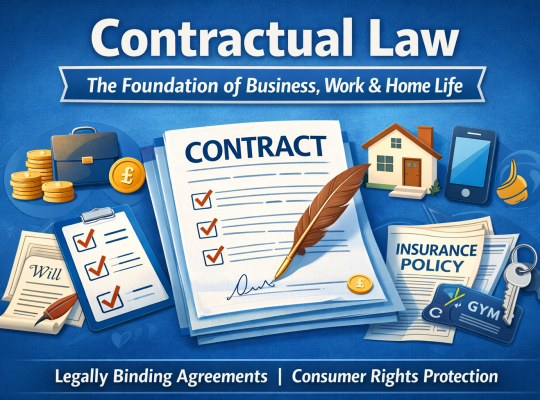
A comprehensive guide to contractual law in the UK, explaining its importance in business and everyday life, with examples of contracts, consumer rights, and legal support resources.

Learn how to detect deception using psychological techniques such as extremes, one-word responses, and behavioural analysis. Discover how lawyers, police, and tax inspectors identify lies.

A clear step-by-step guide to academic essay writing in law and healthcare, explaining structure, critical analysis, and key differences to help students achieve higher marks.

Civil law governs disputes between individuals or organizations, aiming to resolve issues like contracts, property, and family matters through compensation or court orders. Tort law is a branch of civil law that deals specifically with wrongful acts, such as negligence or defamation, where one party causes harm to another, and the injured party can seek damages.

Contractual law is the backbone of all commercial transactions, setting out the rights and obligations of parties when entering into an agreement. Whether you are a buyer, supplier, service provider, or consumer, contracts provide legal certainty, enforceability, and protection in case of disputes. This guide explores what contractual law is, why small print. It also considers how such issues could be avoided through proper contract clauses and legal foresight.
The Disability Discrimination Act 1995 has been replaced by the Equality Act 2010, but its spirit lives on. The Equality Act not only carried forward the protections of the DDA but also expanded them, creating a more comprehensive framework for tackling discrimination. For disabled people, this means their rights are now protected under a single, stronger piece of legislation, but ensuring those rights are respected still requires continued advocacy, awareness, and enforcement.
The UK government’s move to abolish the Human Rights Act and potentially leave the ECHR could leave citizens with no enforceable rights. What would this mean for the public, migrants, and democracy?

As facial recognition continues to evolve, its deployment must be balanced against privacy laws, GDPR obligations, and fundamental human rights. Without stricter regulations and safeguards, the technology risks eroding the very freedoms it claims to protect.

Deepfake technology presents a growing threat to personal dignity, democratic integrity, and public trust. While the UK has acted against sexually explicit deepfakes, wider identity protection remains fragmented. Denmark is leading with a landmark law granting citizens copyright-like rights over their face, voice, and body. The UK now has the opportunity to go further, combining legal reform with technological innovation to safeguard identity in the digital age.