Depression, Trauma, and the Reality Behind the Smile
An in-depth look at depression, trauma, and PIP assessments, exploring why outward behaviour does not reflect mental health and how self-help strategies support recovery.

DISABLED ENTREPRENEUR – DISABILITY UK
Disability UK Online Health Journal – All In One Business In A Box – Forum – Business Directory – Useful Resources – Health – Human Rights – Politics
DISABLED ENTREPRENEUR – DISABILITY UK
Disability UK Online Health Journal – All In One Business In A Box – Forum – Business Directory – Useful Resources – Health – Human Rights – Politics
Browsing Category

An in-depth look at depression, trauma, and PIP assessments, exploring why outward behaviour does not reflect mental health and how self-help strategies support recovery.
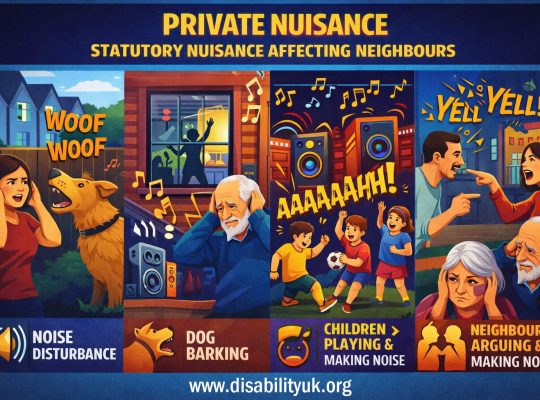
Learn your legal rights under UK private nuisance law, including noise complaints, barking dogs, tenant rights, and liability for street events affecting your home and work.
How insensitive questioning in healthcare can trigger intrusive thoughts and trauma responses. Learn about the psychology behind trigger wording, patient rights, and legal protections in the UK.

Exploring psychology, human behaviour, and why healthcare professionals should avoid trigger wording when discussing mental health with patients. Learn about patient rights and UK legal protections.
Grief and trauma affect everyone differently. Learn how long grieving can last, the types of trauma people experience, how to begin recovery, and why open discussions about wills, legacy, and end-of-life wishes are essential for families.
Struggling with student stress, mental health, and fear of speaking to a tutor about assessment feedback? Learn coping strategies, why calls can be harder than written communication, and how reasonable adjustments under the Equality Act 2010 can support disabled students.
Growing concern over the Mental Health Act 2025 as disabled people fear detention, discrimination, and human rights breaches. Learn what’s at stake and how communities are fighting back.
Exploring the link between stress, autoimmune disorders, and relapses, and how intimidation, coercion, and toxic environments can devastate health. Includes practical steps to stop harassment and protect well-being.
Achieving a balanced life requires more than just managing time—it involves creating spaces that support your physical and mental needs. Ergonomics bridges this gap, offering practical solutions to ease daily stressors and enhance overall well-being.
While completely erasing bad memories isn’t possible, learning how to suppress or manage them effectively can play a significant role in healing and improving mental well-being.