Freedom of Expression vs Freedom of Harm
Exploring the balance between freedom of expression and public harm — and why stronger legislation, trigger warnings, and editorial standards are urgently needed in media and social platforms.

DISABLED ENTREPRENEUR – DISABILITY UK
Disability UK Online Health Journal – All In One Business In A Box – Forum – Business Directory – Useful Resources – Health – Human Rights – Politics
DISABLED ENTREPRENEUR – DISABILITY UK
Disability UK Online Health Journal – All In One Business In A Box – Forum – Business Directory – Useful Resources – Health – Human Rights – Politics
Browsing Category
Exploring the balance between freedom of expression and public harm — and why stronger legislation, trigger warnings, and editorial standards are urgently needed in media and social platforms.
A detailed guide to corporate harassment law in the UK, including legal definitions under the Protection from Harassment Act 1997 and Equality Act 2010, FOI rights, and whether accusing a journalist of “harassment” for information requests is lawful.
Freedom of expression and freedom of speech are fundamental human rights, recognised under international and domestic law. They empower individuals to voice their opinions, share ideas, and engage in open debate, which is vital for a democratic society. However, these freedoms are not absolute; they come with responsibilities and legal boundaries.

As facial recognition continues to evolve, its deployment must be balanced against privacy laws, GDPR obligations, and fundamental human rights. Without stricter regulations and safeguards, the technology risks eroding the very freedoms it claims to protect.
Inciting racial hatred is one of the most serious offenses under the UK’s hate crime legislation, carrying severe penalties for those found guilty. The law works to balance freedom of speech with the protection of vulnerable communities, acknowledging the devastating impact that hate speech can have on individuals and society as a whole.
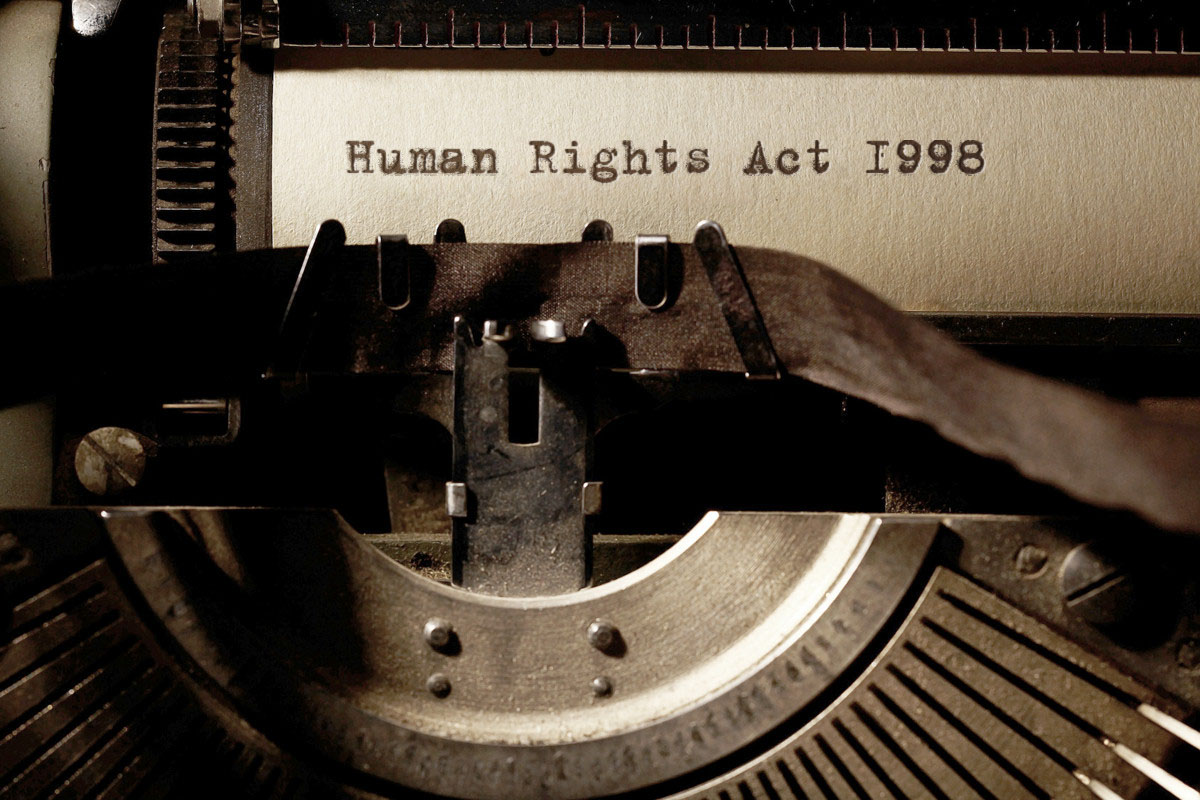
Free speech is the cornerstone of any functioning democracy. It gives people the right to express opinions, challenge authority, expose injustice, and hold those in power accountable. In the UK, freedom of expression is protected under Article 10 of the Human Rights Act 1998, which incorporates the European Convention on Human Rights (ECHR) into domestic law. But what happens when the very institutions meant to protect these rights come under attack?

Zero Point Energy remains a tantalizing mystery, dancing between theory and imagination. Whether it proves practical or not, our willingness to explore it reflects our deeper desire to solve real human problems—poverty, inequality, and planetary health.
The definition of a woman has evolved significantly over time, reflecting changes in societal norms, legal frameworks, and advancements in understanding gender identity. This evolution is particularly evident in the realms of law and gender equality, where the definition of a woman encompasses both biological and gender identity aspects.