Disclaimer: This article is provided for general information and educational purposes only and does not constitute legal advice, security advice, or official government guidance. Requirements for SCIFs (Sensitive Compartmented Information Facilities) and classified space construction vary depending on jurisdiction, classification level, agency policy, and site-specific risk assessments. Always consult the appropriate government authority, accredited security professionals, and official regulations (including the relevant ICD and accreditation processes) before undertaking any security-related construction, upgrades, or operational decisions. While this article discusses secure facility considerations, we also recognise the importance of disability inclusion; secure environments should be designed and managed to support accessibility and reasonable adjustments for disabled personnel wherever lawful and practicable, without compromising safety or security. Disabled Entrepreneur UK accepts no liability for actions taken based on this article.
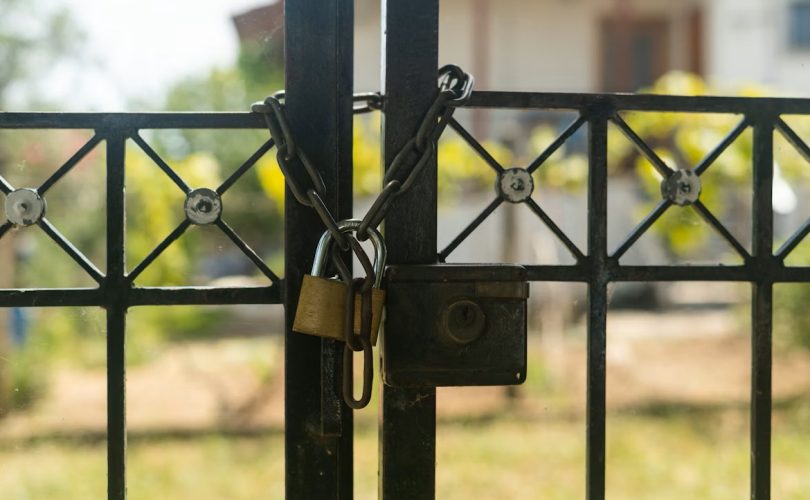
Photo by Fotis Avdellidis on Unsplash
What Government Agencies Require for Classified Space Construction and Disability-Inclusive Design
SCIFs and other secure rooms are designed to protect classified information; they should also be designed with people in mind, including disabled employees, contractors, and visitors who may require reasonable adjustments. Security must never be achieved at the cost of accessibility. From step-free entry, accessible emergency exits, and ergonomic working spaces, to inclusive visitor protocols for people with mobility aids or neurodivergent needs, secure environments should enable all authorised personnel to work safely and effectively. In practice, this means integrating physical security requirements with equality and accessibility considerations at the design stage, so that the facility remains compliant, functional, and inclusive, without compromising national security.
Government agencies that handle classified information face unique challenges in physical security. Sensitive Compartmented Information Facilities (SCIFs), also known as secure rooms, protect the nation’s most important secrets from unauthorized access, spying, and compromise. These spaces differ from regular offices; they are specialized areas built to meet strict standards that ensure both physical and technical protection.
Building these facilities demands strict compliance with government rules and a thorough grasp of intelligence and defense teams’ operational requirements. Every detail counts, from protection against electronic snooping to controlling access. Let’s dive into the key requirements that government agencies insist on when creating secure rooms for classified space construction.
Physical Security Standards
The core of any secure room is its physical security. Government agencies require SCIFs to be built to stop unauthorized entry and resist attempts to force access. This involves strengthened walls, secure doors, and controlled entry points.
Essential components include:
- Controlled access points: cleared staff can often use biometric checks.
- Intrusion detection systems: Sensors and alarms need to be set up to spot and act on breaches right away.
- Secure perimeters: Walls, floors, and ceilings have to meet strict building rules to stop tampering or break-ins.
Physical security isn’t just about keeping folks out; it aims to keep classified info safe even if someone tries to break in.
Technical Safeguards Against Surveillance
Besides physical barriers, secure rooms need designs that stop electronic spying and signal catching. Classified info faces risks not only from physical theft but also from tech-based attacks.
Government agencies require:
- Electromagnetic shielding: Stops signals from escaping the facility, guarding against interception.
- Secure cabling systems: Makes sure communications stay inside the secure area.
- Soundproofing measures: Keep people outside from hearing conversations in the room.
- Redundant power systems: Ensure operations go on even during blackouts, lowering risk.
This is where scif construction gets very specific. Builders must stick to strict rules to make sure shielding, wiring, and tech safeguards meet standards. These steps keep classified talks and data safe from outside threats.
Access Control and Personnel Management
Government agencies stress that secure rooms need strong access control systems. Protecting secret information requires solid physical barriers and careful control of who can enter and when.
Common requirements include:
- Biometric authentication: Fingerprint or iris scans check identity better than regular badges.
- Visitor management systems: Detailed records show who comes in and goes out, making sure people are responsible.
- Tiered access levels: Not everyone has the same clearance; access gets limited based on security levels.
- Continuous monitoring: Security staff or automated systems watch entry points to spot odd behavior.
By using technology with rules, agencies make sure that checked people can get into sensitive areas.
Environmental and Operational Considerations
Secure rooms need to support the day-to-day needs of the staff working inside. Government agencies want SCIFs that work well feel comfortable, and can handle long-term use.
Key things to think about:
- Climate control systems: Good heating, cooling, and air flow stop equipment from breaking down and keep people comfortable.
- Ergonomic design: Work areas should cut down on tiredness and help people work better.
- Emergency readiness: Secure rooms must have ways to put out fires, doors to escape, and plans for when things go wrong.
- Noise control: Soundproofing helps staff focus without distractions while keeping information private.
These needs show that secure rooms aren’t just about safety—they also help people do their jobs well in high-pressure settings.
Compliance and Oversight
Government agencies demand strict adherence to set standards and constant supervision during the building process. Secure rooms need to meet the requirements laid out in guidelines like Intelligence Community Directive (ICD) 705, which controls SCIF design and approval.
Adhering to standards involves:
- Thorough records: Every part of construction needs recording and checking.
- Frequent checks: Agencies perform audits to make sure facilities meet standards before they get the green light for use.
- Ongoing upkeep: People must maintain and update secure rooms to stay in line with changing requirements.
- Approval steps: Facilities can’t be used until the right authority has certified them.
This supervision makes sure that secure rooms are not just built to standard but stay secure throughout their working life.
Conclusion
To build secure rooms for classified space construction is a tricky task that needs to balance physical security, technical safeguards, personnel management, operational functionality, and compliance. Government agencies require strict standards to make sure sensitive information stays safe from both physical and electronic threats.
When contractors and agencies follow these requirements, they create facilities that protect national security while allowing personnel to do their jobs well. Secure rooms are more than just strengthened spaces; they play a key role in defending classified information and protecting national interests.


Michelle Quill is a freelance writer who offers SEO Content writing and blogging services. She specializes in health, business, and technology niches. In addition to writing, she loves traveling and writing journey itineraries.