Landscape Gardening for Disabled Entrepreneurs
Landscape gardening for disabled entrepreneurs: discover accessible business ideas, startup tips, marketing strategies, domain name advice, and how to grow a sustainable gardening business.

DISABLED ENTREPRENEUR – DISABILITY UK
Disability UK Online Health Journal – All In One Business In A Box – Forum – Business Directory – Useful Resources – Health – Human Rights – Politics
DISABLED ENTREPRENEUR – DISABILITY UK
Disability UK Online Health Journal – All In One Business In A Box – Forum – Business Directory – Useful Resources – Health – Human Rights – Politics
Browsing Category
Landscape gardening for disabled entrepreneurs: discover accessible business ideas, startup tips, marketing strategies, domain name advice, and how to grow a sustainable gardening business.
Owning up to having OCD can indeed be a challenging and emotionally fraught experience. However, overcoming the associated shame and embarrassment is a crucial step towards managing the condition effectively and improving overall well-being.
Influencers have become powerful voices across social media platforms, shaping opinions, trends, and even social movements. For individuals with disabilities, becoming an influencer can be a way to share personal experiences, advocate for inclusivity, and inspire others.

Depression does not discriminate, and neither should those responsible for shaping and implementing policies and support systems. Policymakers and PIP assessors must uphold principles of fairness, empathy, and inclusivity, ensuring that all individuals with disabilities receive the respect, support, and opportunities they deserve. By doing so, we move closer to a society where everyone, regardless of their abilities, can lead fulfilling and dignified lives.

Becoming a writer and expanding beyond health into other industries is a rewarding challenge that combines passion, knowledge, and skill. By honing your writing, expanding your expertise, and staying adaptable, you can build a successful and diverse writing career.

Back-to-work sanctions are an inadequate and often counterproductive method for addressing unemployment. A more effective approach involves the government taking a proactive role in job creation and supporting entrepreneurial ventures. By expanding public sector jobs, incentivizing private sector employment, and fostering an environment conducive to entrepreneurship, the government can help individuals find meaningful work and contribute to economic growth. This strategy not only addresses the immediate issue of unemployment but also lays the foundation for a more robust and resilient economy.
Discover navigating remote entrepreneurship tips for disabled business owners who thrive in remote entrepreneurship.

Startup grants serve as invaluable resources for nonprofit organizations embarking on their journey to create positive change and address pressing social issues. By identifying potential funding sources, navigating the grant application process effectively, and engaging in relationship-building with funders, nonprofits can increase their chances of securing startup grants and laying a solid foundation for sustainable growth and impact.

Starting your own business as a disabled person may present unique challenges, but with determination, creativity, and support, it is entirely achievable.
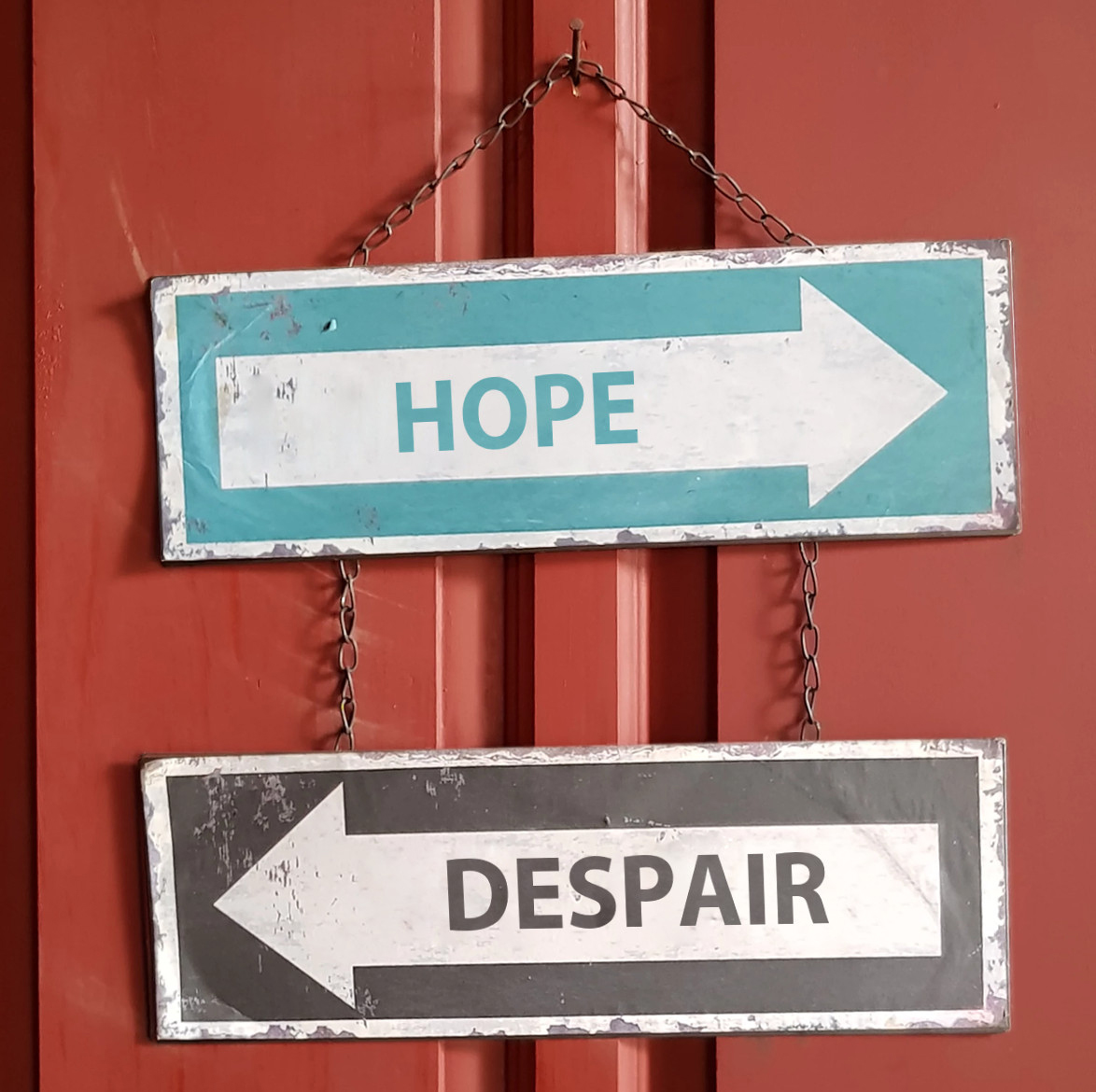
Recovering from disappointment requires patience, self-compassion, and resilience. By acknowledging your feelings, learning from setbacks, prioritizing mental health, and taking proactive steps, you can overcome disappointments and emerge stronger than before. Remember, setbacks are not permanent, and every challenge is an opportunity for growth and self-improvement.