Optic Neuritis: Understanding Vision Loss, Recovery, and Hope for the Future
Optic neuritis explained: symptoms, treatment, recovery, and hope. Learn how to support someone with vision loss and explore future treatments like bionic eyes.

DISABLED ENTREPRENEUR – DISABILITY UK
Disability UK Online Health Journal – All In One Business In A Box – Forum – Business Directory – Useful Resources – Health – Human Rights – Politics
DISABLED ENTREPRENEUR – DISABILITY UK
Disability UK Online Health Journal – All In One Business In A Box – Forum – Business Directory – Useful Resources – Health – Human Rights – Politics
Browsing Category
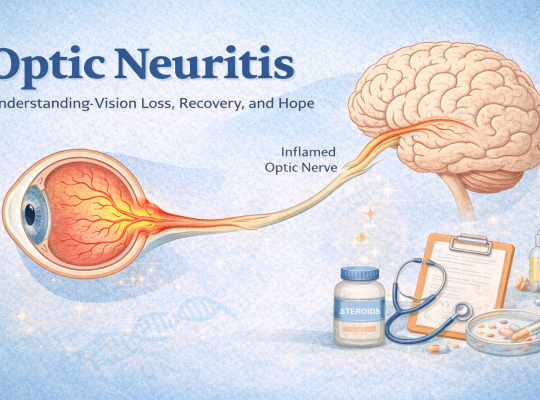
Optic neuritis explained: symptoms, treatment, recovery, and hope. Learn how to support someone with vision loss and explore future treatments like bionic eyes.

Constant dog barking from neighbours can disrupt work, study, and mental health. Learn your legal rights under UK nuisance law and how to resolve disputes calmly.

Building a breast cancer care package is about understanding and compassion. When you focus on comfort, practicality, emotional support, and personal preferences, you can create a thoughtful collection of items that comforts and uplifts.

Finding the right balance between independence and support for older people is an ongoing challenge that calls for understanding, adaptability, and careful planning. When we look at independence, customized help to fit each person’s needs, and set up environments that empower, we can respect personal freedom while keeping everyone safe and healthy.
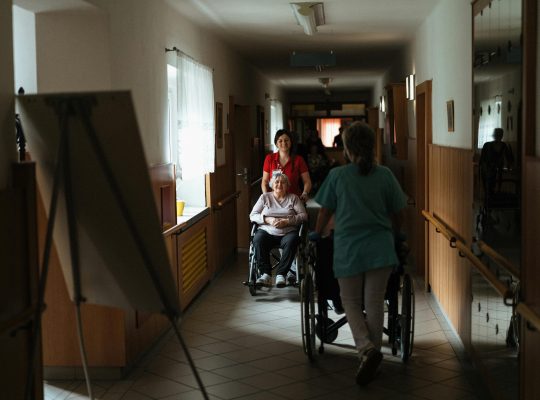
As people get older, where they live becomes more crucial to their comfort, safety, and independence in the long run. One choice that older adults and their families often face is whether independent living or assisted living suits them better. Both options aim to support aging adults, but they differ a lot in services, lifestyle, and care level.
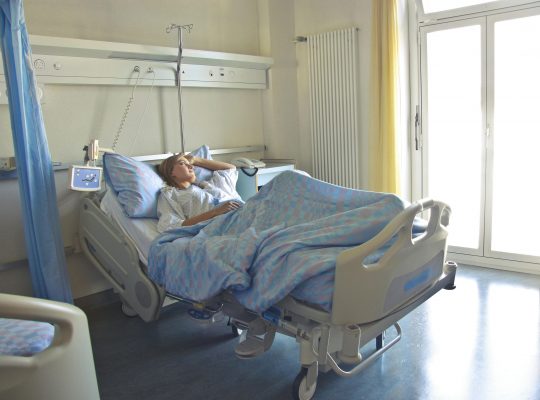
Getting better after being sick, having surgery, or getting hurt needs more than just rest. Being comfortable, safe, and in the right position helps you heal if you can’t move much or need ongoing medical care.
Discover how the Better Care Fund integrates health and social care to support individuals and unpaid carers, offering essential services like respite care and short breaks. Learn about eligibility and how this vital programme can benefit you.

Power cuts can be dangerous for disabled people, especially those relying on medical equipment. Learn whether you can be charged for emergency callouts, how third‑party faults are handled, and how the Priority Services Register protects vulnerable households.
The term “severely disabled” in the context of benefits and support provided by the Department for Work and Pensions (DWP) raises concerns about potential discrimination and the differentiation of needs among disabled individuals.
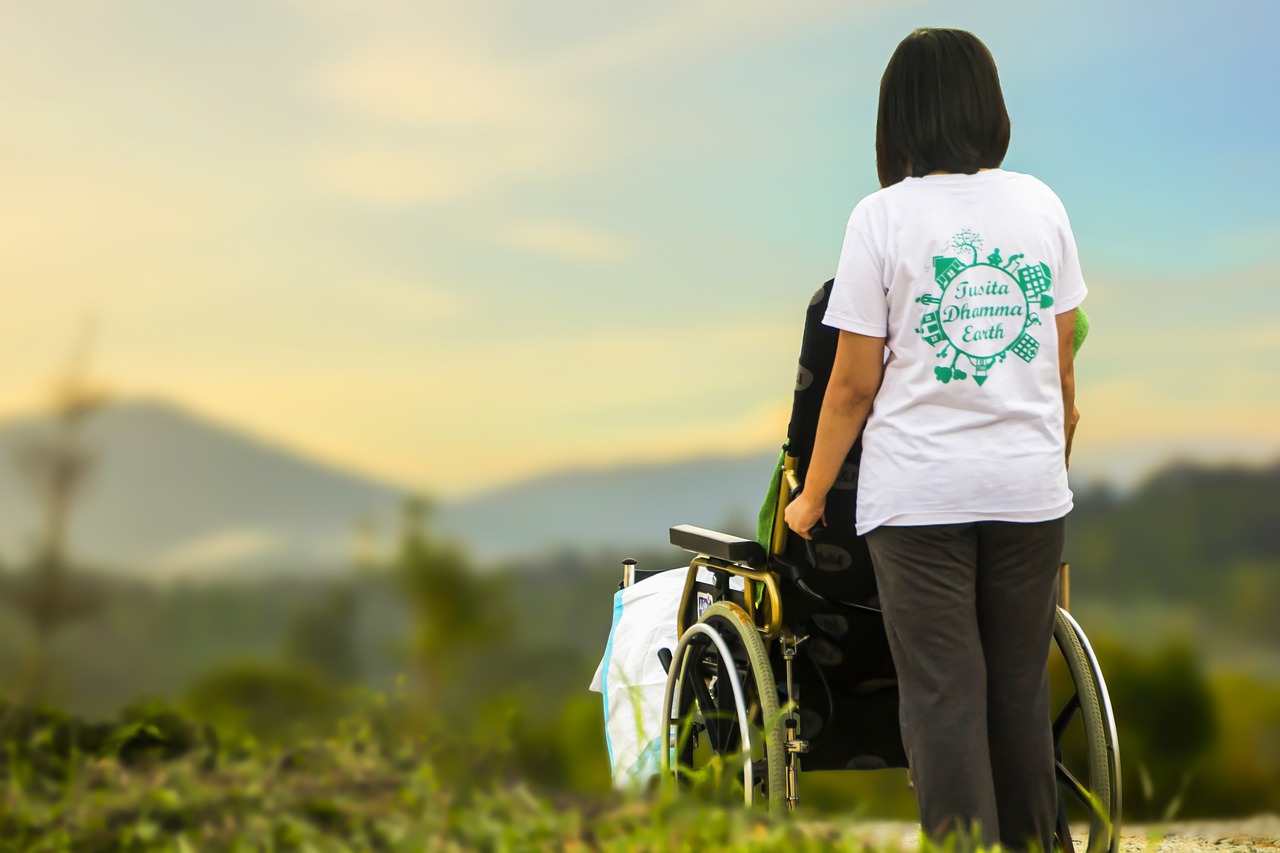
Caregiver discrimination also know as Family Responsibilities Discrimation (FRD). This refers to prejudice or unfair treatment directed at individuals who provide care for others, especially when caring for someone with a disability or chronic illness. Just like ableism focuses on discrimination against people with disabilities, caregiver discrimination highlights the challenges and biases faced by those who take on caregiving responsibilities.