Dementia Awareness: Can We Prevent Memory Loss?
Can dementia be prevented or reversed? Explore early symptoms, memory loss, brain exercises, medical treatments, holistic therapies and ways to support older relatives.

DISABLED ENTREPRENEUR – DISABILITY UK
Disability UK Online Health Journal – All In One Business In A Box – Forum – Business Directory – Useful Resources – Health – Human Rights – Politics
DISABLED ENTREPRENEUR – DISABILITY UK
Disability UK Online Health Journal – All In One Business In A Box – Forum – Business Directory – Useful Resources – Health – Human Rights – Politics
Browsing Category
Can dementia be prevented or reversed? Explore early symptoms, memory loss, brain exercises, medical treatments, holistic therapies and ways to support older relatives.
A comprehensive guide on how to train your brain to stop being lazy, improve motivation, increase mental activity, and support long-term cognitive health, including a discussion on dementia and Alzheimer’s disease.
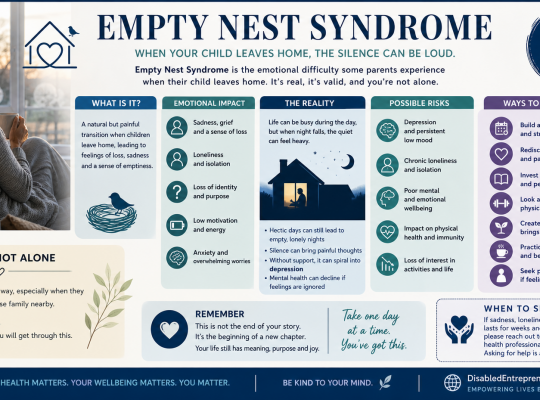
A compassionate guide to Empty Nest Syndrome, exploring its emotional impact and offering practical ways to cope with loneliness, especially for parents without partners or family support.
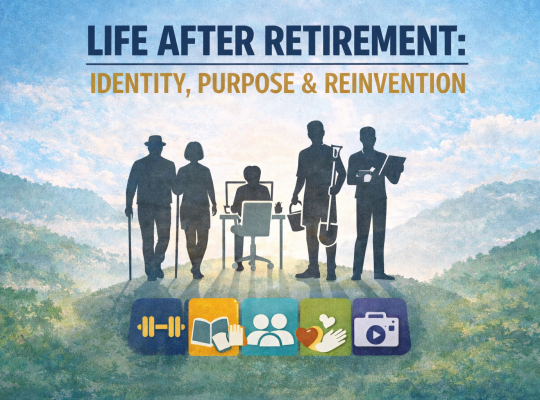
A comprehensive guide to retirement, mental health, and staying active. Learn how athletes and everyday people can reinvent themselves, reduce dementia risk, and find purpose after work.
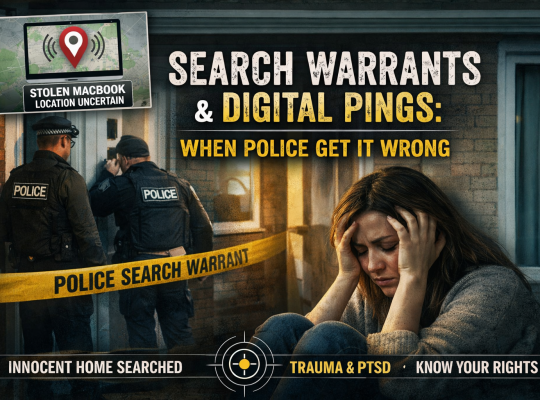
An in-depth legal guide on search warrants, digital tracking “pings,” and your rights when police search the wrong property. Learn about UK law, compensation, and how to challenge unlawful searches.

Many of today’s most respected shows focus on practical habits backed by neuroscience, psychology, and long-term research. By listening consistently, people can pick up realistic strategies that support brain health without drastic lifestyle changes.

Learn what the Well-being of Future Generations (Wales) Act means in practice, and how DisabledEntrepreneur.uk and DisabilityUK.org aim to support mental health, youth communities, and sustainable local well-being.
What depression really feels like when money runs out: the hidden impact of sanctions, unemployment, and trauma, plus practical steps to help people slowly rebuild hope.
The connection between OCD and BPD is complex, with overlapping symptoms and challenges that can complicate diagnosis and treatment. However, with a thorough understanding of both disorders and an integrated treatment approach, individuals can achieve significant improvement in their symptoms and overall functioning. I

True wellness isn’t about perfecting one area of your health while neglecting others. It’s about recognizing that mental clarity, physical vitality, and nutritional choices are deeply intertwined, each one influencing the others in ways that can either elevate or undermine your overall well-being.