Health and Safety Regulations For Accessible Workplaces
Maintaining a safe, functional building is a responsibility that extends beyond basic upkeep, especially when the property is designed to serve individuals with disabilities. ADA-accessible buildings must meet specific standards to ensure they remain usable, safe, and welcoming for everyone. While features like ramps, elevators, and accessible restrooms often receive the most attention, structural issues such as leaks can quietly undermine compliance and safety if left unaddressed.
Water intrusion may seem like a minor maintenance concern at first, but even small leaks can have serious consequences in accessible environments. From safety hazards to regulatory risks, timely leak repairs are a critical component of protecting both occupants and property owners.
How Leaks Create Safety Hazards in Accessible Spaces
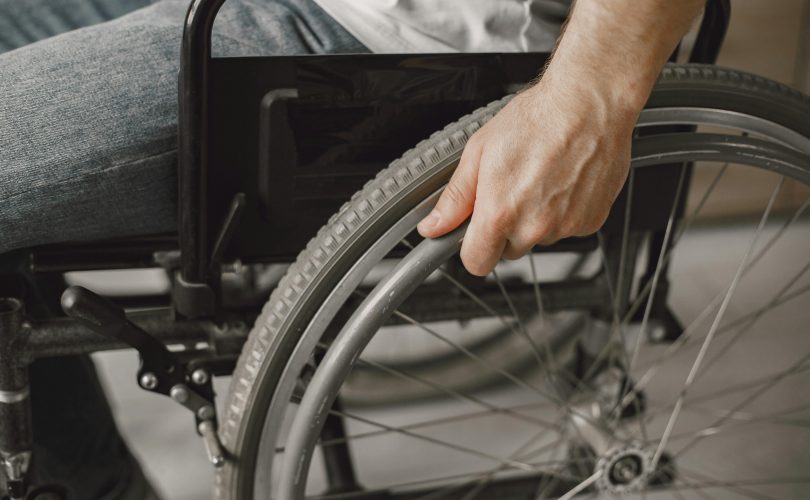
Leaks introduce moisture to floors, walls, and ceilings, creating conditions that are especially dangerous in buildings designed for individuals with mobility challenges. Water accumulation can lead to slippery surfaces that increase the risk of falls for wheelchair users, individuals using walkers, and those with limited balance.
In ADA-accessible buildings, clear and stable pathways are essential. Even slight water pooling near entrances, hallways, or ramps compromises safe navigation. Prompt leak repairs help preserve dry, predictable surfaces that support consistent and secure movement throughout the building.
Protecting Structural Features Designed for Accessibility
Accessible features rely on structural integrity to function properly. Ramps, handrails, elevators, and even doorway thresholds can be affected by prolonged moisture exposure. Leaks that reach structural elements may cause materials to weaken, warp, or corrode, reducing the reliability of features meant to provide independence.
For example, water intrusion near ramp foundations or elevator shafts can accelerate deterioration. Addressing leaks early helps ensure these critical components remain dependable and meet required design standards. In cities where weather events are common, working with professionals such as Austin Roofing specialists can be part of a proactive maintenance strategy that safeguards these investments.
Compliance Risks and Legal Exposure
ADA-accessible buildings are subject to regulations that require ongoing maintenance of accessible features. While the ADA does not mandate perfection, it does require that accessibility elements be kept in working condition. Leaks that interfere with safe access, such as blocking routes, damaging equipment, or creating unsafe conditions, can lead to noncompliance claims.
Failure to repair known issues may expose property owners to complaints, inspections, or legal action. Consistent leak monitoring and repairs demonstrate due diligence and a commitment to maintaining usable facilities for all occupants.
Moisture, Mold, and Indoor Environmental Quality
Leaks contribute to elevated moisture levels, which can quickly lead to mold growth if not addressed. Mold poses health risks to all occupants, but individuals with respiratory conditions or compromised immune systems may be particularly affected.
In accessible buildings that serve healthcare facilities, senior living communities, or public services, indoor air quality is a critical concern. Repairing leaks promptly helps control humidity, prevent mold development, and support a healthier indoor environment without disrupting daily operations.
Long-Term Cost and Operational Impacts
From a financial perspective, delaying leak repairs often leads to higher long-term costs. Water damage can spread beyond the original source, affecting insulation, finishes, electrical systems, and structural components. In accessible buildings, repairs may also require temporary closure of key areas, limiting accessibility and disrupting services.
Proactive leak repair reduces the likelihood of extensive remediation and helps avoid downtime that affects tenants, visitors, or customers. It also preserves the lifespan of accessibility-related investments, maximizing their value over time.
Conclusion
Leak repairs are not simply a routine maintenance task for ADA-accessible buildings; they are a fundamental component of safety, compliance, and inclusivity. Addressing leaks promptly helps protect occupants from hazards, preserve critical accessibility features, and reduce legal and financial risks. By prioritizing timely repairs, property owners demonstrate a clear commitment to maintaining accessible environments that remain safe, functional, and welcoming for everyone who relies on them
Health and Safety, Health Hazards, Accessibility, Accessible Workplaces, ADA, Environment, Tenants, Disabled Entrepreneur, Disability UK, Electrical Safety, Roof Repairs, Building Maintenance,